ICIJ’s Cancer Calculus investigation of Merck & Co.’s blockbuster drug Keytruda exposed the intricate web of patents that Merck and other pharmaceutical companies build to protect their profit margins and delay competitors from entering the market and offering potentially more affordable versions of the drug.
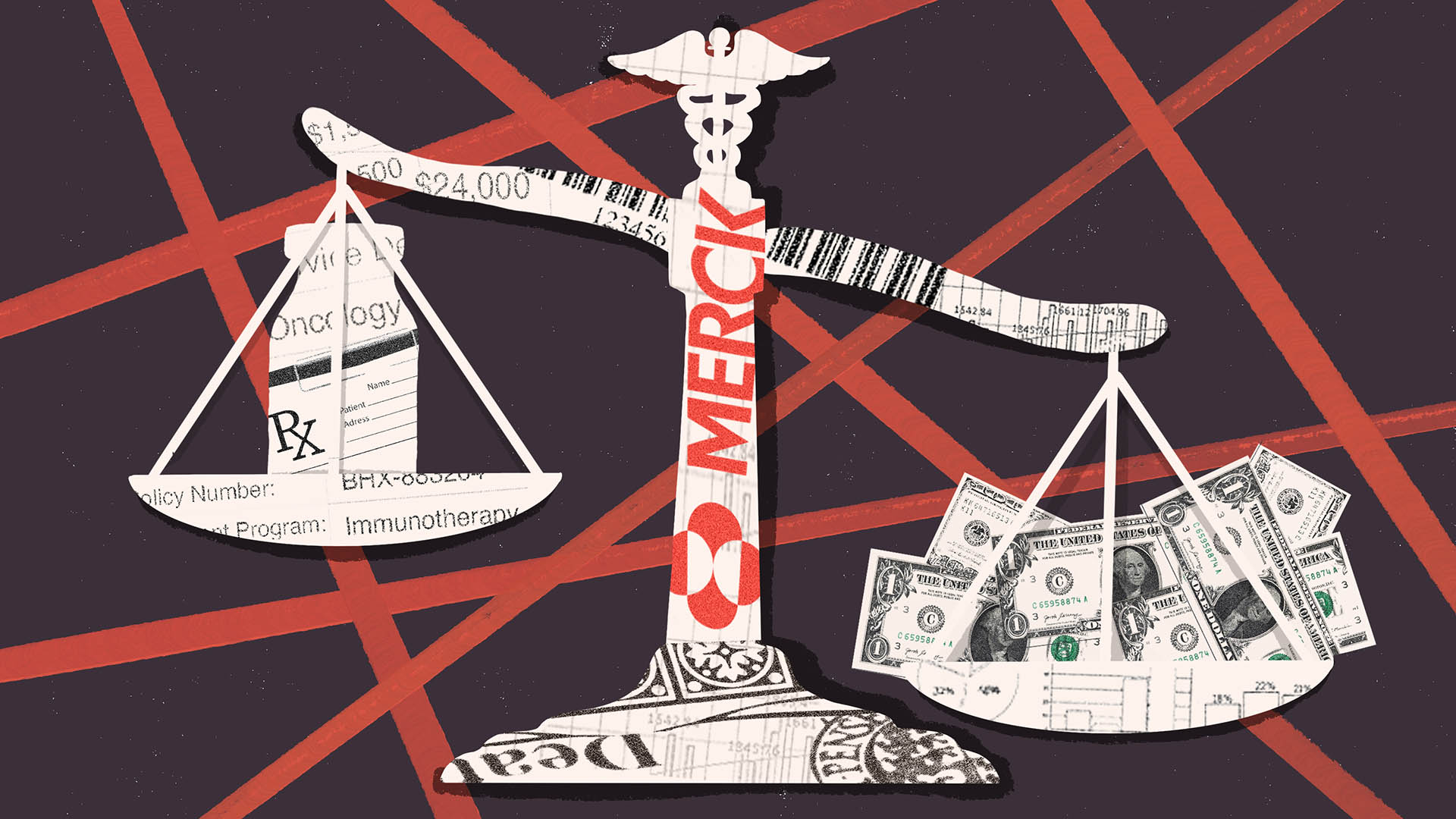
Merck’s original patents for Keytruda are set to expire in 2028. But Merck, using a strategy known as “evergreening,” has filed hundreds of additional patents that could protect Keytruda’s dominance well beyond that year.
ICIJ analyzed 180 U.S. patent applications related to Keytruda, provided by the Initiative for Medicines, Access & Knowledge (I-MAK), a nonprofit that examines inequities in the patent system. These were linked to 1,032 additional patent filings around the world tied to the drug. From this universe, ICIJ identified active U.S. patents that illustrate Merck’s strategy of maintaining market exclusivity.
Patents can have different status, including active, pending, abandoned, expired, or others. Explore Merck’s active U.S. Keytruda patents below.
ICIJ identified 50 active U.S. patents held by Merck, either filed alone or jointly with partners. Active patents are central to evergreening because they carry defined expiration dates that can extend market exclusivity. Our analysis shows that these active U.S. patents could protect aspects of Keytruda’s dominance through at least 2042, about 14 years beyond the expiration of its core patents.
These patents can be grouped into two categories: primary and secondary patents.
Primary patents are product patents. They protect the active ingredient, covering the antibody and main mechanism of action that creates the immune response. Once approved, these patents give the inventor exclusive rights to produce, use and sell the molecule, typically for 20 years from the application filing date, preventing competitors from launching biosimilars, which are close to the original and offer the same results.
Keytruda’s U.S. patents include the core patents set to expire in 2028, which should open the door to biosimilars, unless additional secondary patents delay competition.
Secondary patents are follow-on patents that protect aspects of an existing drug beyond the primary patent protection of the original active ingredient.
They can cover new dosing amounts, different treatment schedules, manufacturing processes, or combinations with other drugs. A large volume of secondary patents can dissuade competitors from entering a market by increasing the risk of costly legal battles over patent infringement.
For example, ICIJ identified nine active secondary patents that cover combinations of Keytruda with other treatments. Those patents are part of a broader web of related filings worldwide, expanding the patents’ reach well beyond the United States.
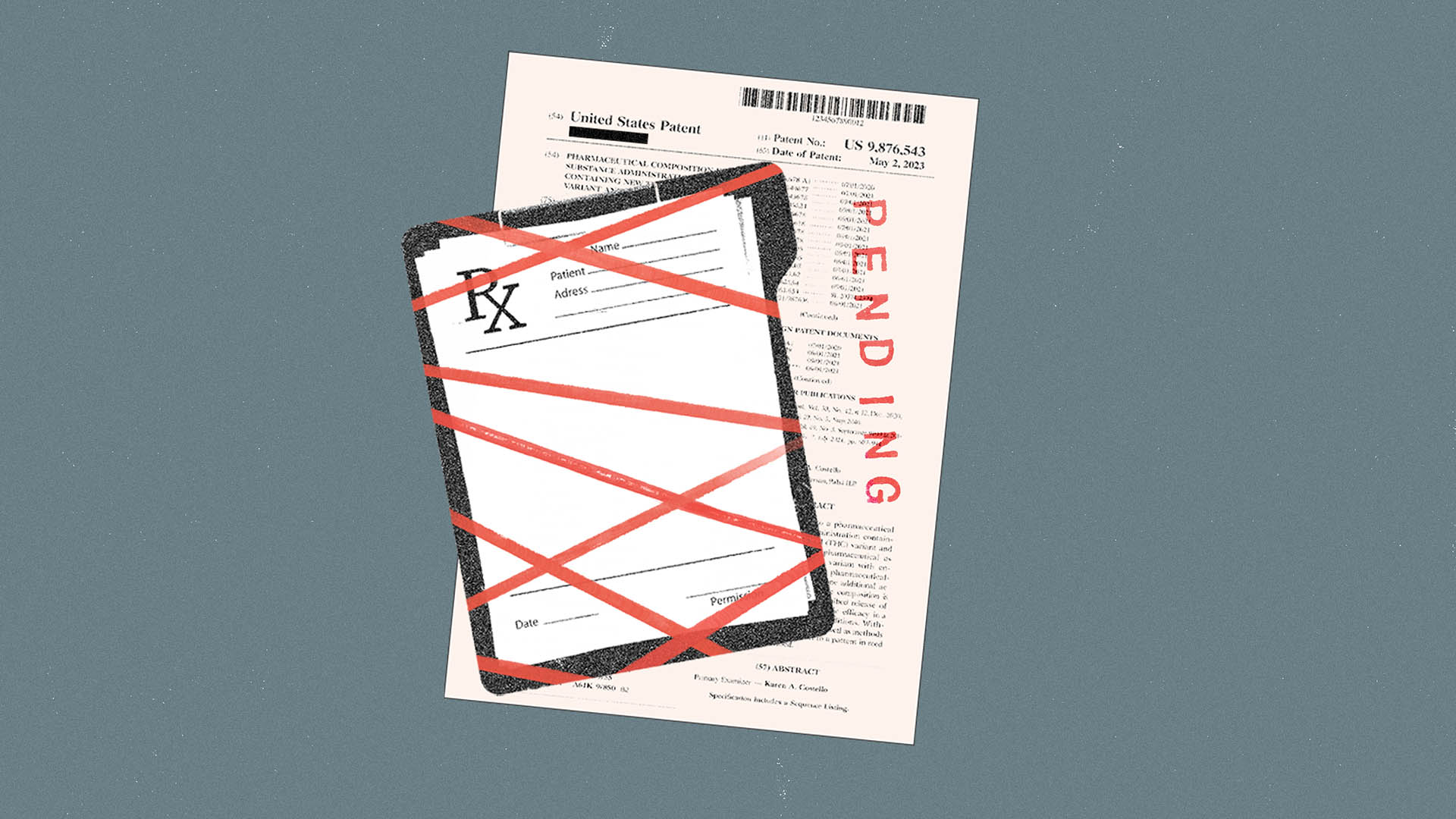
And active patents are only part of the picture. Additional patents that are still pending, or have been abandoned could, if granted or revived, further extend Keytruda’s exclusivity and delay the anticipated patent cliff, the point when key patents expire and competition from biosimilars typically drives prices and revenues down.
This visualization is part of the Cancer Calculus, an ICIJ investigation with 47 partners in 37 countries.
Data visualization: Antonio Cucho Gamboa
Text: Denise Ajiri
Contributors: Miguel Fiandor-Gutiérrez, Delphine Reuter, Joanna Robin, Hamish Boland-Rudder, Annys Shin
Source of the data: I-MAK, Espacenet and Google Patents.