RUSSIA
Kremlin payment firm A7 has been pumping billions in ‘untraceable’ cash into global financial system
Documents show the sanctioned payments firm has handled at least 283 tons of rubles gathered in Moscow’s giant trading halls, processed and trucked to Russia’s main defense bank.
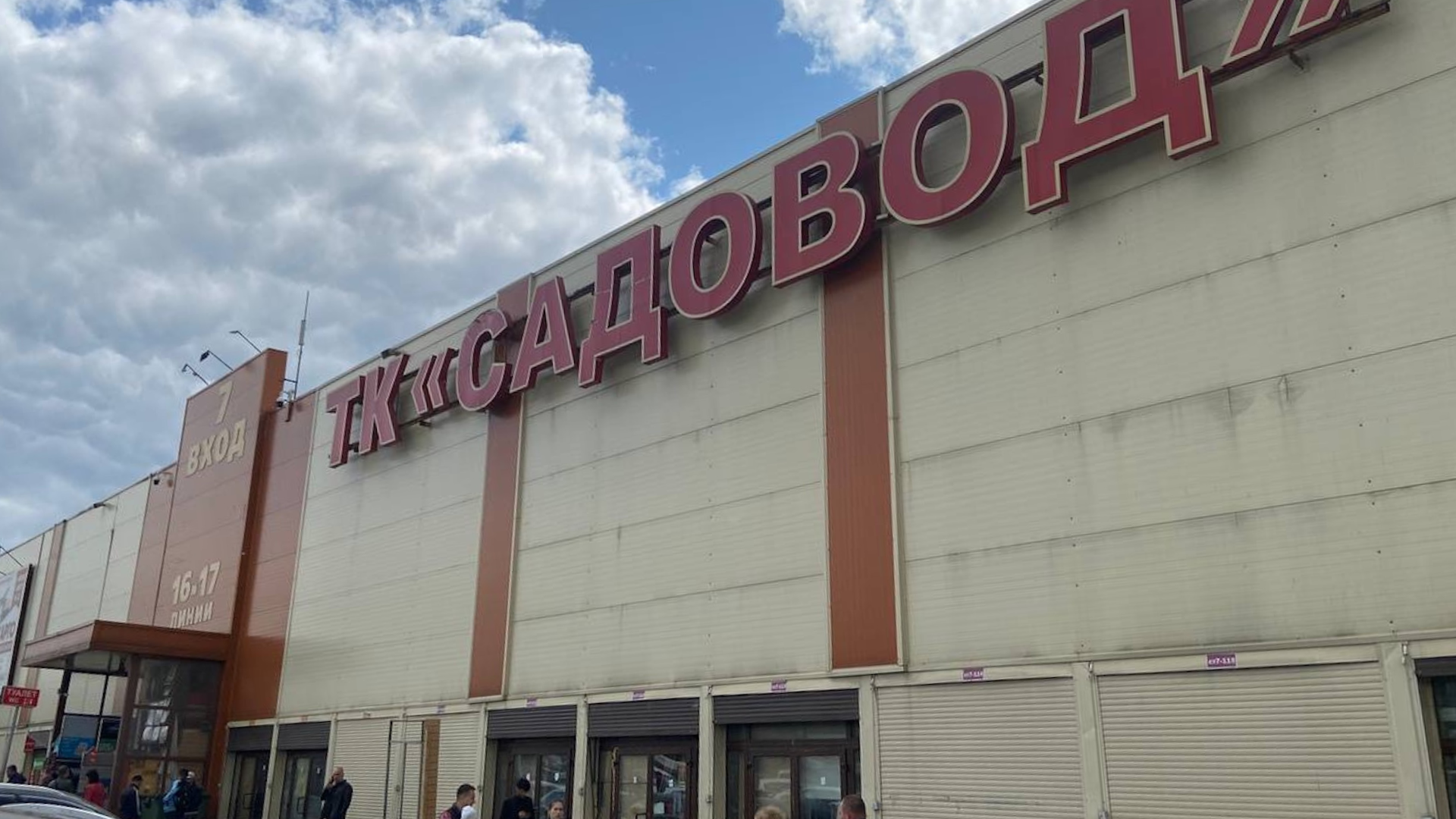
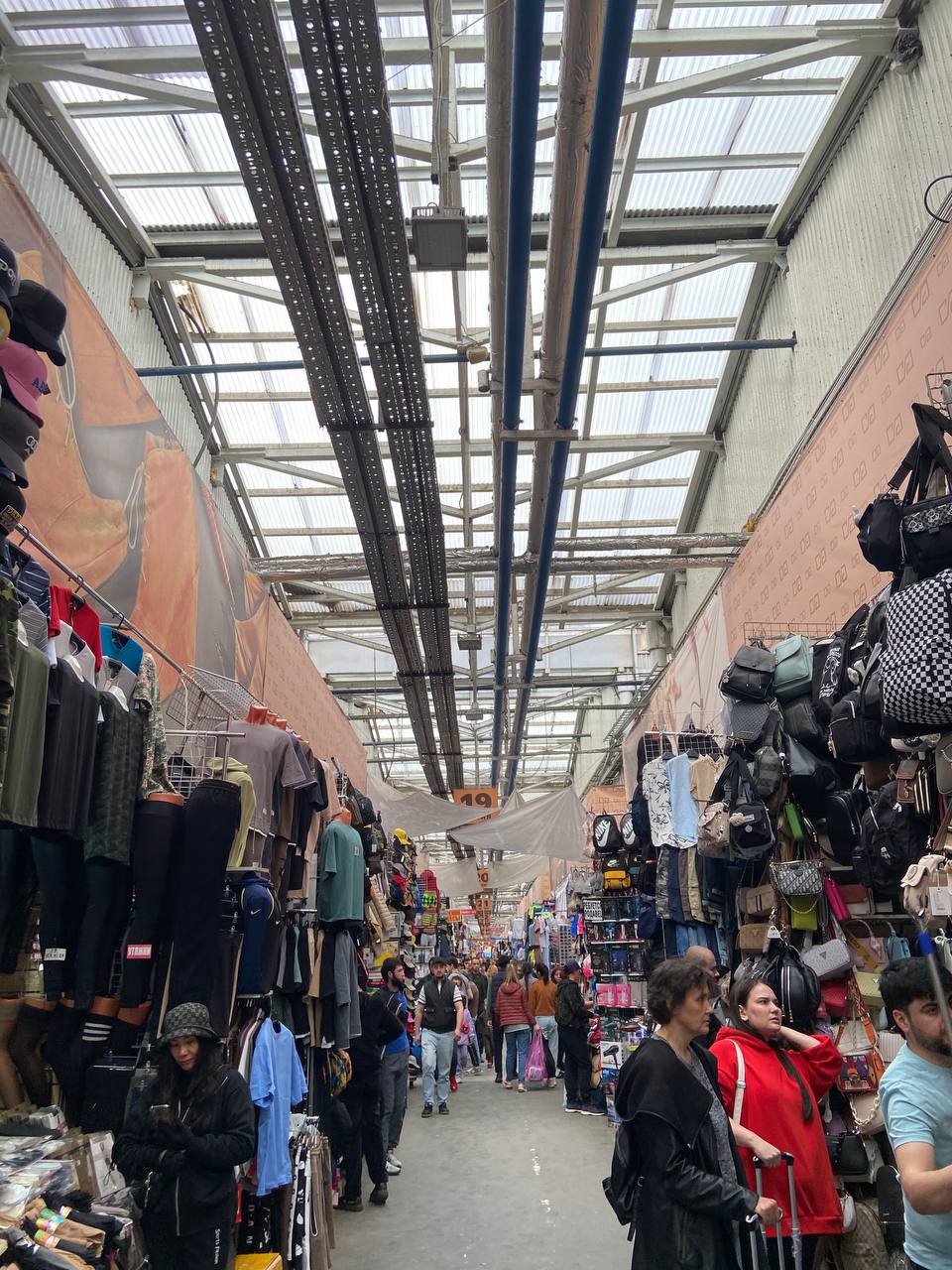
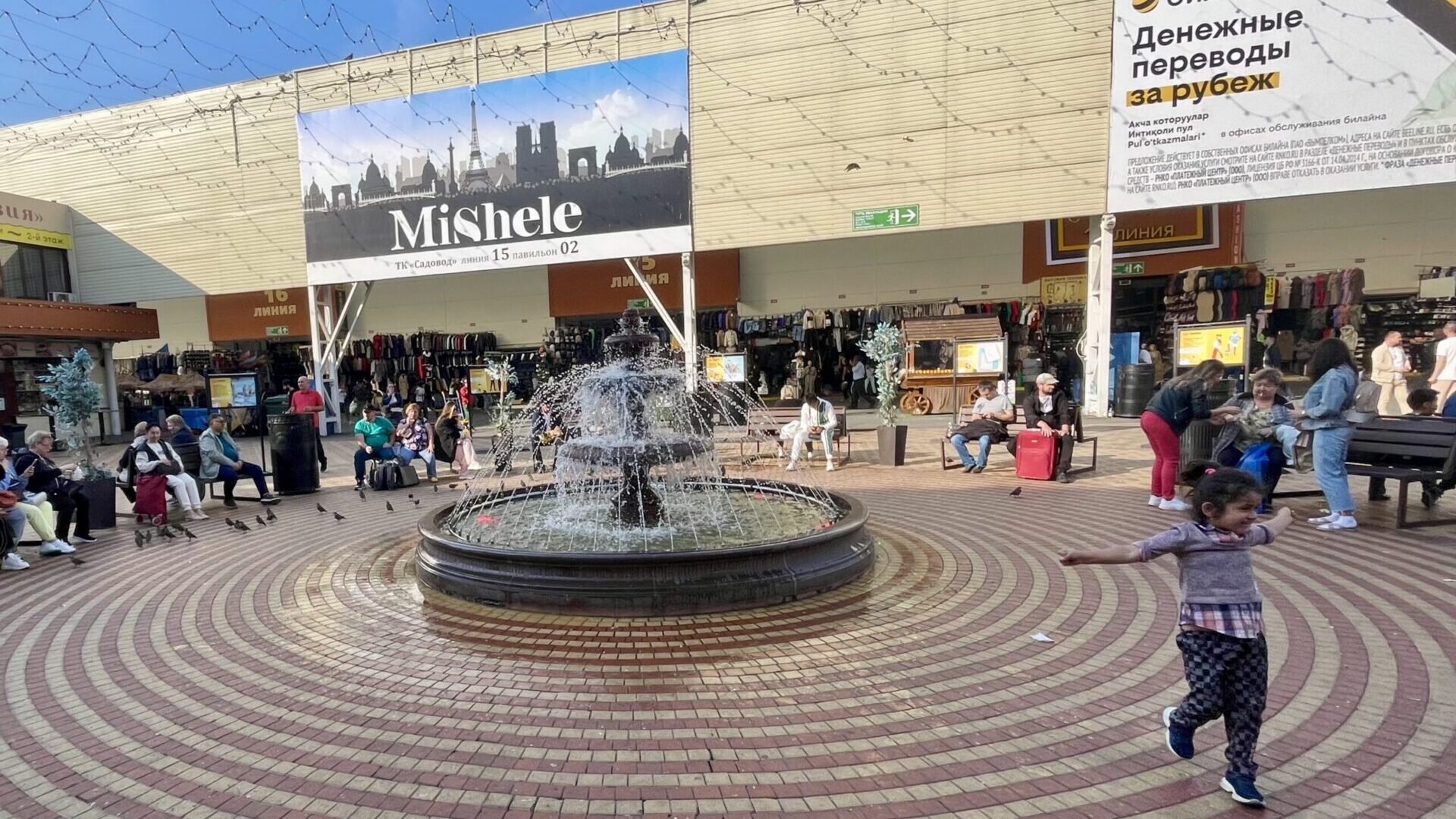
At the sprawling Sadovod market in southeast Moscow, among the 160 acres of clothing, jewelry and appliance booths, at least eight teams are spotted, working apart from the everyday hustle and bustle of the market.
Throughout a business day, these teams, known in confidential records as “departments,” receive a steady stream of customers, almost always carrying bags of various shapes and sizes.
And inside the bags are piles and piles of cash – Russian rubles. These departments, staffed by payment brokers, are a key intake point for one of the largest, and most secretive, cash-processing operations in the world.
Welcome to the industrial cash machine that is A7, the payments giant backed by the Russian state.
Between November 2024 and July 2025, A7 processed at least 283 tons of cash rubles — equal to more than $14 billion U.S. dollars, an investigation by the International Consortium of Investigative Journalists and Russian independent media Proekt has found.
For A7, ICIJ discovered, cash is king, the jet fuel for a firm now under scrutiny as a “shadow banking network” designed to evade Western sanctions at scale, according to U.S. authorities.
On Oct. 1, the U.S. Treasury sanctioned A7 as a “significant transnational criminal organization,” which “utilizes money laundering methodologies to fraudulently move vast sums of money in violation of sanctions and other laws in the jurisdictions in which it operates.”
But while Western governments and banks scramble to trace A7 money flows through the international financial system, ICIJ’s investigation reveals that the origins of the bulk of A7 transmissions are, in fact, untraceable.
According to internal A7 records seen by ICIJ, and people familiar with the matter, a huge portion of A7’s payments do not stem from conventional bank transfers by clients inside Russia, but literally from hundreds of tons of cash rubles.
Leaked internal records allowed ICIJ to identify that a handful of wholesale markets and other businesses around the Russian capital, including Sadovod, where much of the business is done in cash, made up a significant share of the cash A7 processed.
The records show that while the source of the cash is untraceable, its destination is not: Most of the cash is bound not for Western markets, but for China.
A7 did not return ICIJ’s requests for comment.
In public statements, A7 has strongly rejected the U.S. allegations of wrongdoing, saying that it “employs a modern, multi-tiered compliance system” and that it was “established to ensure uninterrupted settlements for the Russian market, which has been subjected to unlawful restrictive measures.”
“All clients undergo screening to identify risks and prevent the servicing of individuals or organizations whose activities violate regulatory requirements,” it continued.
Experts say the fact that cash drives A7 raises the spectre of a money laundering operation limited only by the size of the market and A7’s capacity to physically handle the cash. As such, A7’s cash-based model presents challenges not previously understood both to the conventional banking system and to law enforcement.
“Cash is considered one of the highest risk methods of payment and store of value because it’s anonymous, it can travel across borders, and it doesn’t attach to any specific individual or company,” anti-financial crime expert George Voloshin told ICIJ in an interview.
“The A7 network not only helps Russia circumvent Western sanctions and export controls,” Voloshin continued. The fact that A7 takes massive volumes of cash from Moscow’s wholesale markets suggests that the company “is also likely to facilitate cash-based money laundering by effectively legitimizing potential proceeds of crime,” he said.
Voloshin added that international banks bear an additional burden of tracing payments emanating from A7. “The main risk is that [foreign] intermediary or beneficiary banks become complicit in [a] form of criminal activity that they know nothing about, because they don’t have any visibility into what’s happening in Russia where the money originates from.”
Cash by the ton, bound for China
On its launch in late 2024, A7 touted itself as a sanctions-proof payments system, and has come under increasing scrutiny for its role as one of the Kremlin’s principal channels for laundering billions of dollars worth of payments out of Russia and into the global financial system, via a global network of shell companies, often with accounts at major international banks.
As part of its launch, A7 integrated into its business a hodgepodge of informal payment brokers at Moscow markets, including Sadovod, according to internal A7 records seen by ICIJ.
“For [A7], Sadovod is simply a big client base — a big, aggregated pile of clients,” a person familiar with the matter, who requested anonymity due to security concerns, told ICIJ. “And that’s exactly what they go there for: the money and the profit.”
For years, this ecosystem of market brokers converted importers’ cash into conventional bank transfers or crypto, most often bound for China. This informal system was upended by Western sanctions, which barred Russian businesses from the SWIFT system, the international messaging network that allows banks to exchange transactions. The threat of U.S. secondary sanctions — which target entities for doing business with sanctioned states or businesses — made Chinese banks more cautious when dealing with Russia.
The informal cash payment system at Moscow’s wholesale markets “depends on trusted intermediaries, established relationships and confidence that money will arrive,” Ilia Shumanov, managing partner of Russia-focused due diligence firm Tri-Trace Investigations, told ICIJ. “Its international reach can be extensive, while outsiders have limited visibility into the underlying transactions.”
Under A7’s new, supercharged system, a platoon of market brokers takes in the bags of cash brought by vendors and makes an initial count.
The brokers then stuff the rubles into numbered bags to be loaded, along with clients’ payment orders, into vans bound for an A7 processing office elsewhere in the Russian capital, according to leaked internal payment and cash management records.
A review of cash deposit and internal payment records shows that a small army of 50 or so A7 cashiers feeds the cash into a counting system where the amounts are verified; A7 enters the bag number, ruble amount and the client’s payment order into a bespoke payment management system, then trucks the cash on to Promsvyazbank, or PSB, the Russian state defense bank, a co-owner of the company. PSB puts it in a vault and credits A7 accounts. PSB acknowledged ICIJ’s request for comment, but did not provide a response.

Records show that A7 then orders one of a network of shell companies registered outside Russia to make a payment on behalf of an A7 client to a beneficiary’s account, often a Chinese exporter, at another bank outside Russia – without any trace of the cash, or Russian origin, of the funds surfacing on the wire transfer or supporting documentation. The shell companies are advanced funds from A7 in Russia which pass through Kyrgyzstan on their way to the payee.
“The only bank that sees [where the funds come from] is Promsvyazbank,” Voloshin commented. “And the only company that sees everything is A7 itself.”
With A7’s role in sanctions evasion increasingly in the spotlight of Western authorities, understanding the source of A7 payments will become a central challenge for Western sanctions enforcers and international banks charged with know your customer (KYC) and other anti money-laundering obligations.
The scale of A7’s cash intake is visible in a series of leaked documents reviewed by ICIJ, including a cash deposit ledger dated to shortly after the company’s launch in late 2024. Over a six-week period between November and December 2024, that ledger and other documents provide a running total of A7’s incoming cash at that time, some 126 billion rubles ($1.2 billion).
A leaked A7 promissory note register reviewed by ICIJ reveals that A7’s cash intake at PSB only rose in 2025, reaching 195 billion rubles ($2.3 billion) in a single month by April 2025, and 250 billion rubles ($3.1 billion) in June 2025. At its peak, A7 was processing at least 58 tons of cash per month.
The only company that sees everything is A7 itself.
—anti-financial crime expert George Voloshin
PSB, which serves as a bank for all payments routed through the company inside Russia, typically has to give approval to process market payments made by A7, likely because of the size of this channel, according to a leaked A7 document seen by reporters.
It is unclear what checks, if any, A7 or the brokers at Sadovod and other markets perform on these funds.
“Sadovod is quite a chaotic place, I can’t imagine [the brokers] do all the checks required – KYC, source of wealth, source of funds,” Voloshin continued. “They may check your passport. But where the money comes from, that’s the biggest question.”
The problem of undeclared cash circulating at Moscow’s wholesale markets has also been flagged by Russian financial authorities, including its Central Bank.
“Where do [cash] funds of unknown origin come from?” a senior Central Bank official asked during remarks at a banking conference in Moscow on Sept. 23. “I won’t be revealing anything new here,” he said, “but primarily they come from wholesale and retail markets, mostly in Moscow, and illegal crypto exchanges.”
Sadovod did not respond to ICIJ requests for comment. There is no allegation of wrongdoing by the market.
One A7 payment register, dated late 2024, as well as other payment records, suggests that A7’s market payments are mostly bound for China. Chinese exports to Russia have surged since the Kremlin’s full-scale invasion of Ukraine, as Russia’s industrial and consumer economy has searched for new inputs to replace Western goods.
The payment register showed approximately 2,300 proposed and in many cases documented transfers for different Sadovod brokerage teams — numbered one to six and called “otdely,” or “departments” — destined for their clients’ suppliers, or further intermediaries, in Hong Kong and mainland China.
The person familiar with the markets payment business told ICIJ that the brokerage teams typically operate from offices close to the market administration offices.
These payments, the register shows, were routed predominantly through the bank accounts of a Kyrgyz state-owned company, the Trading Company of the Kyrgyz Republic, as well as several trading companies in Turkey and Hong Kong. The Kyrgyz Ministry of Economy acknowledged ICIJ’s request for comment, but did not respond.
And the destinations for the bulk of these market payment requests, records show, are accounts owned by Chinese export companies at major Chinese banks. Among these are: Industrial and Commercial Bank of China (ICBC), Bank of China, Agricultural Bank of China and China Construction Bank. ICBC, for example, was the destination for at least 72 market payment requests, in both U.S. dollars and Chinese yuan, worth the equivalent of $11 million, according to A7 internal records. Neither ICBC, nor the other banks responded to ICIJ’s questions about their knowledge of the payments.
In the wake of the U.S. Treasury’s threat to impose secondary sanctions, in December 2023, Chinese banks started refusing payments from Russian banks, as well as payments they suspected could be related to exports to Russia, according to Russian media reports.
The A7 system, including its use of shell companies, is designed to effectively strip Russian funds of their origin, making them easier for Chinese banks to accept, says illicit finance expert Zachary Tvarozna, co-author of a recent investigation into A7 with the Open Source Centre, a U.K. non-profit.
“By the time [an A7 payment] is received, nobody in the chain, from the U.S. clearing bank to the Chinese supplier, knows where it came from,” Tvarozna said. “Washington kind of created a market for A7 and then didn’t really do anything about it.”
Leaked records allowed reporters to see the scale of payments made by A7 on behalf of the clients of Sadovod brokers, which were ultimately converted to yuan or U.S. dollars. It’s not known how the currencies are converted.
The records show, for example, that A7 received a total of 314 payment requests from Sadovod brokers worth $76 million, made in U.S. dollars and yuan, to be made to a Hong Kong export company called Yiton Trading Ltd. in late 2024.
Each payment logged in A7’s payment management system includes an amount, currency, beneficiary details, proposed payment route and a unique identifying number.
While most of the payments to Yiton Trading – which has since been dissolved – were routed through the Trading Company of the Kyrgyz Republic, on Nov. 22 that year, for example, the A7 records also include a dollar-denominated payment to Yiton Trading via a Hong Kong intermediary.
According to a payment authorization contained within leaked A7 records, the transfer amounted to $287,000 made by the intermediary from its account at the Hong Kong branch of British multinational bank Standard Chartered to an account held by Yiton Trading at the same bank. Standard Chartered declined ICIJ’s request for comment.
That payment, according to its unique reference number within A7’s payment management system, declared its client in the payment register as “Sadovod.”