1
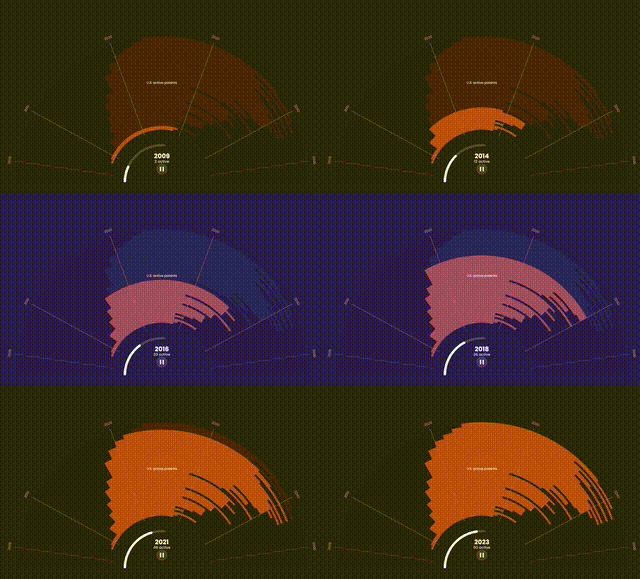
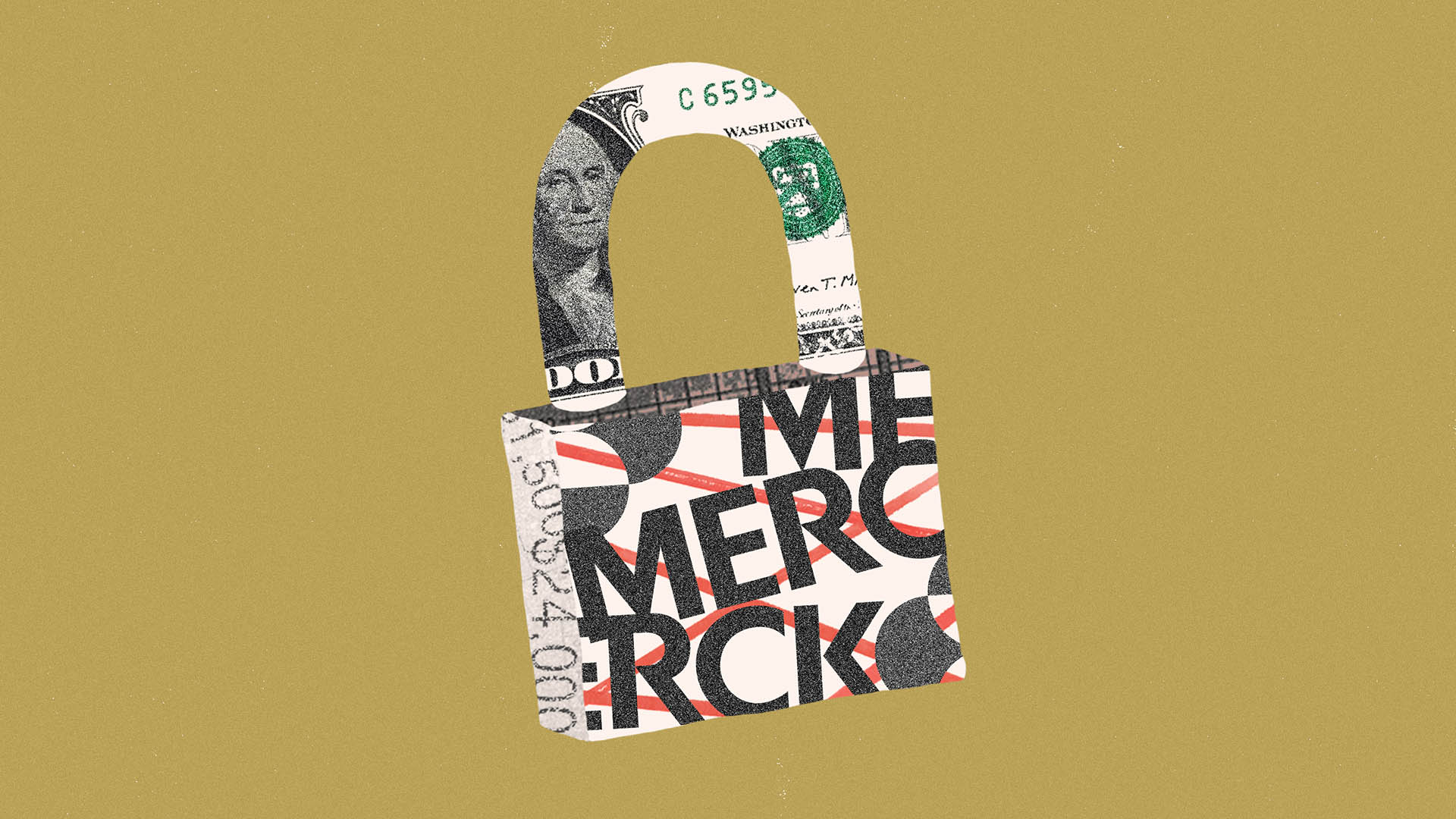
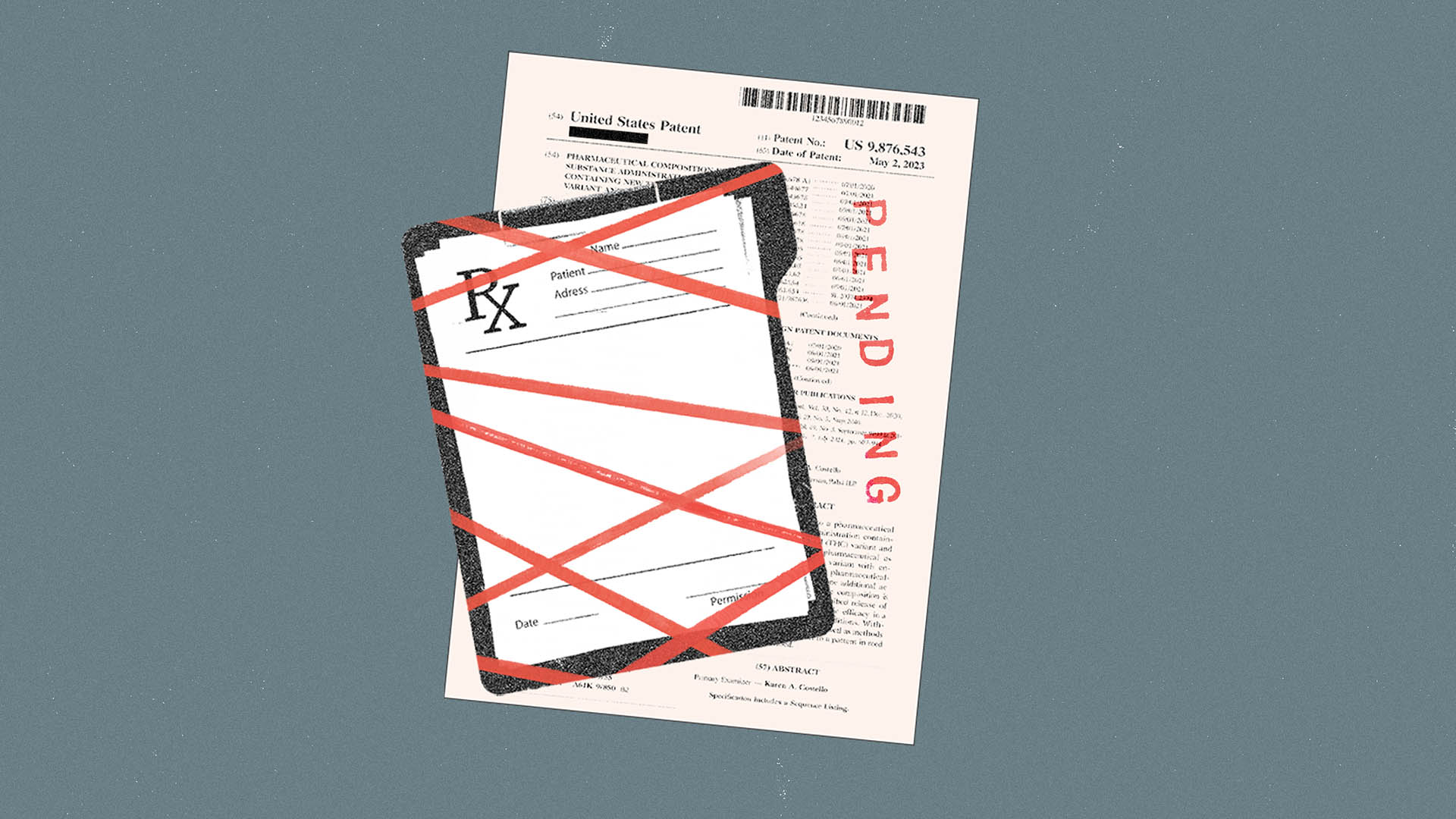
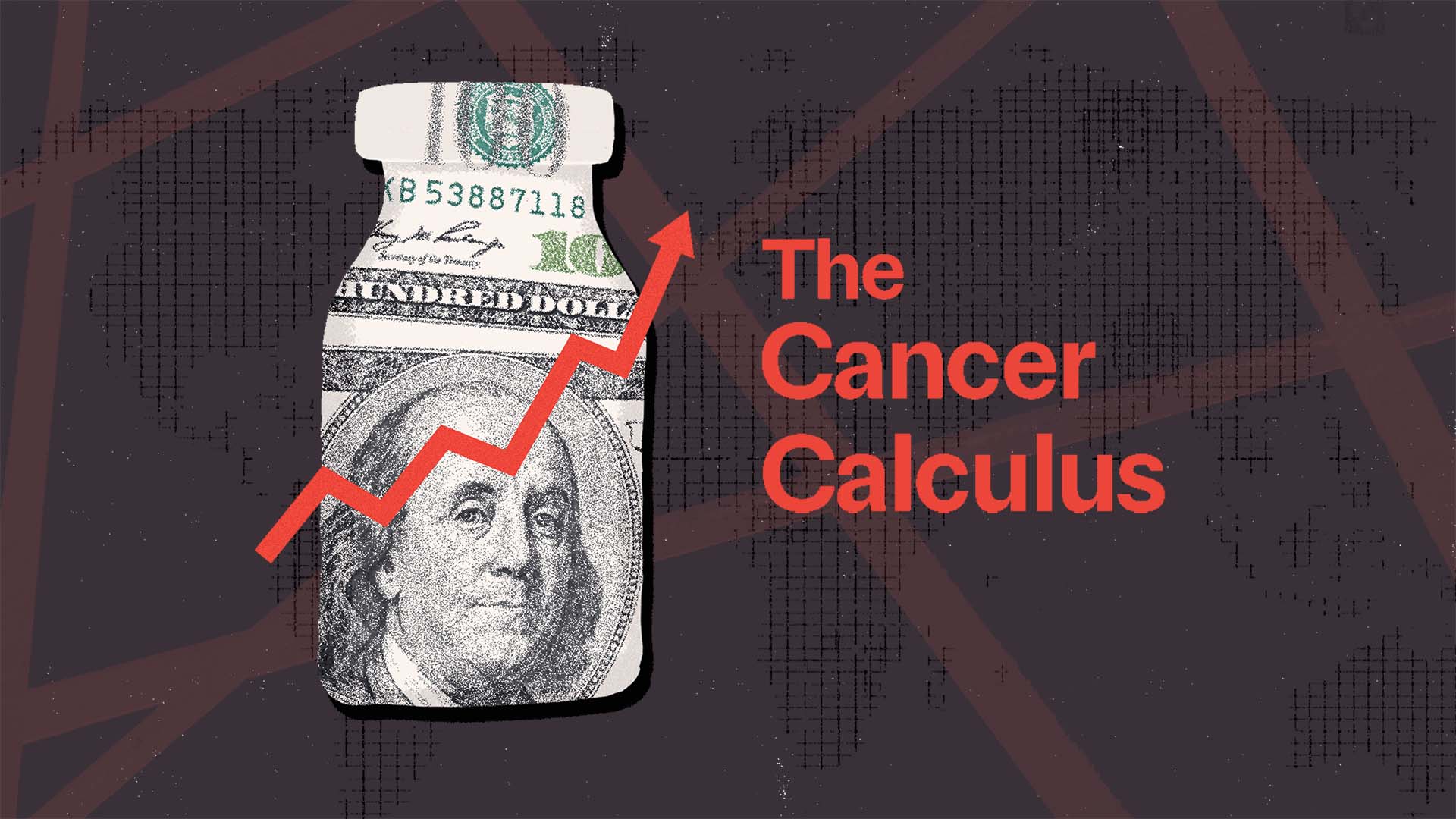
The Cancer Calculus found that Merck and other cancer research businesses exploited the patent system to build a fortress around Keytruda of at least 1,212 patent applications in 53 jurisdictions that could help stifle competition and maintain high prices for 14 years after the original patents expire.
2
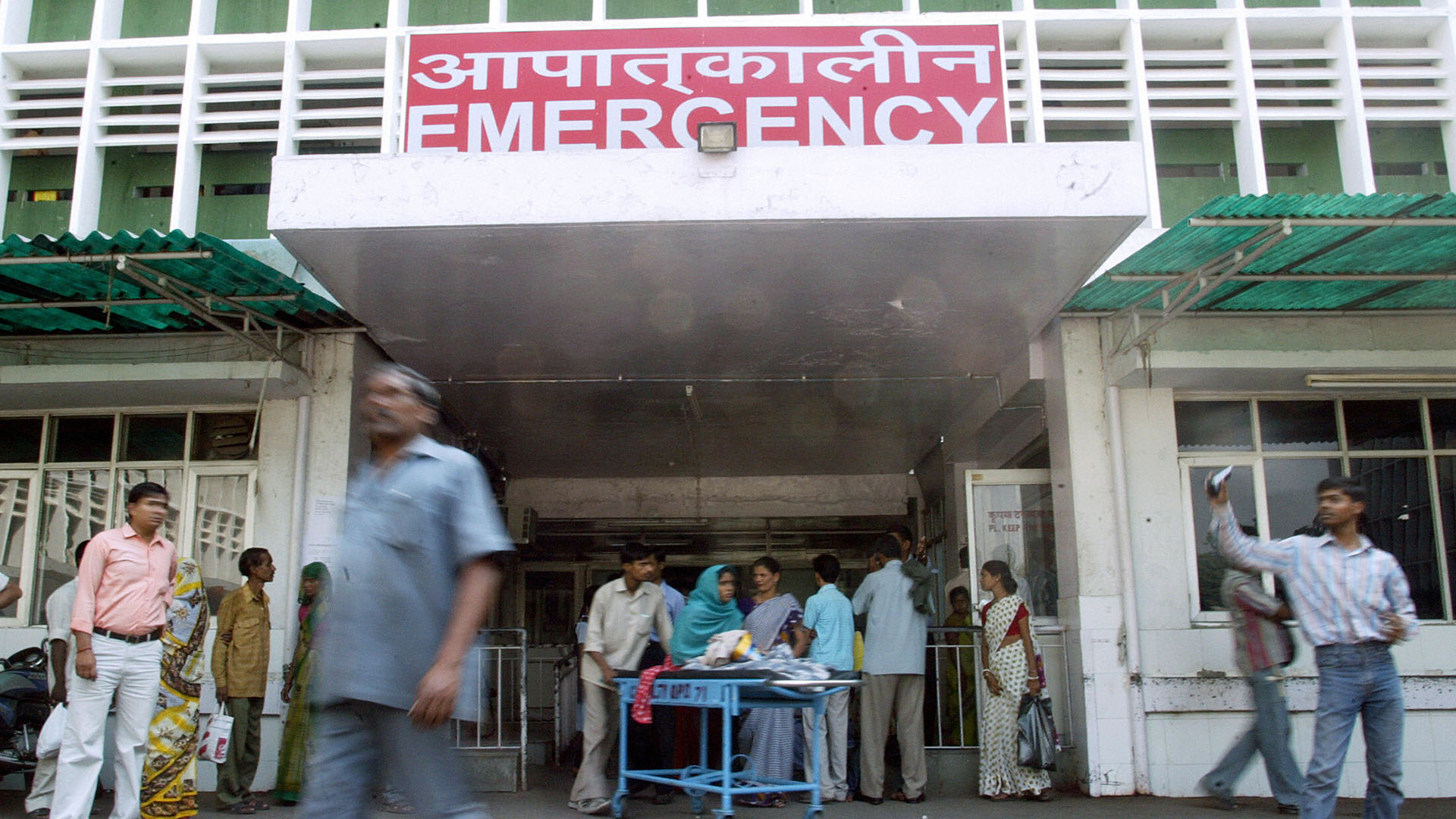
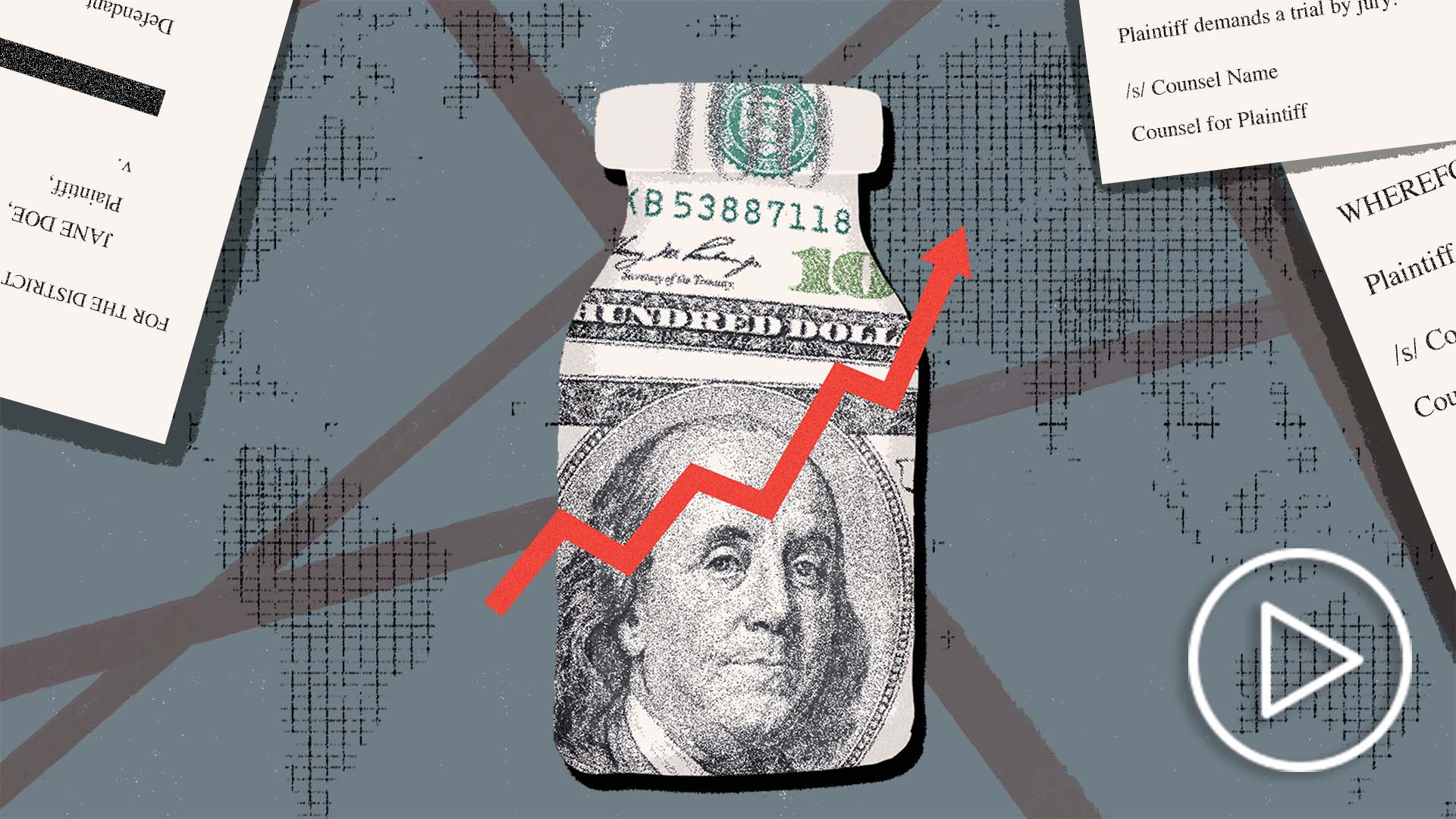
Keytruda’s steep prices have strained government budgets, even in wealthy countries. List prices for a typical treatment range from about $80,000 a year in Germany to $208,000 in the U.S., $93,000 in Lebanon to about $130,000 in Colombia, and $65,000 in South Africa to $116,000 in Croatia.
3
Merck has used regulatory shortcuts, led a costly global lobbying campaign, and operated with a gross lack of transparency in pricing. It has distributed tens of millions of dollars in consulting fees, travel costs and other Keytruda-related payments to U.S. doctors and health-care professionals.
4
An ICIJ analysis shows that Merck has made about $163 billion in Keytruda sales since 2014, reaching more than 3 million patients.