ROMANCE SCAMS
New US law requires dating apps to include warnings on romance scams
As romance scams incur record losses, the law requires apps to notify users if someone they’ve been talking to is banned for fraud.
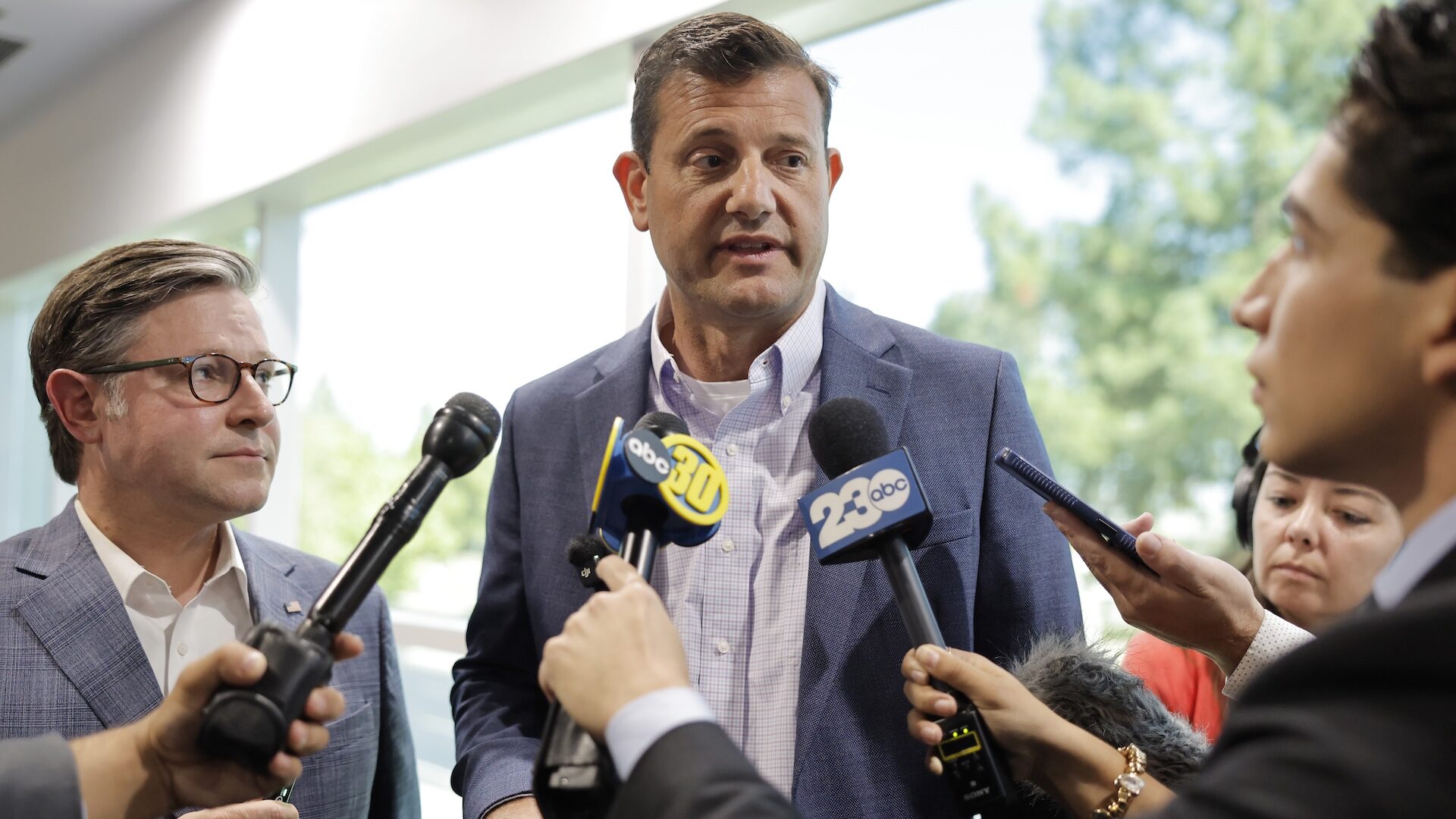
A new U.S. law signed by President Donald Trump Tuesday will require online dating services to notify users when someone they’ve been talking to is banned from the platform for fraud.
The bipartisan Romance Scam Prevention Act, backed by senators Marsha Blackburn of Tennessee (R-Ten) and John Hickenlooper of Colorado (D-Colo), was passed unanimously by the Senate in late September and went to the president for signature earlier this month.
Romance fraud schemes accelerated during the COVID-19 pandemic when more seniors turned to dating sites for companionship, followed by scammers. Romance scams incurred record-high losses in 2025, with Federal Trade Commission data showing over 70,000 reports and a staggering $1.47 billion lost in the U.S. Losses also reportedly surged in the U.K., South Korea, Australia and across Africa.
Some dating sites already remove fraudsters’ accounts but a victim may continue talking to a scammer off the app long after a scammer’s profile has been deleted. The Romance Scam Prevention Act aims to close that gap by requiring dating platforms to send a fraud ban notification to anyone who has communicated with someone with a fraudulent account.
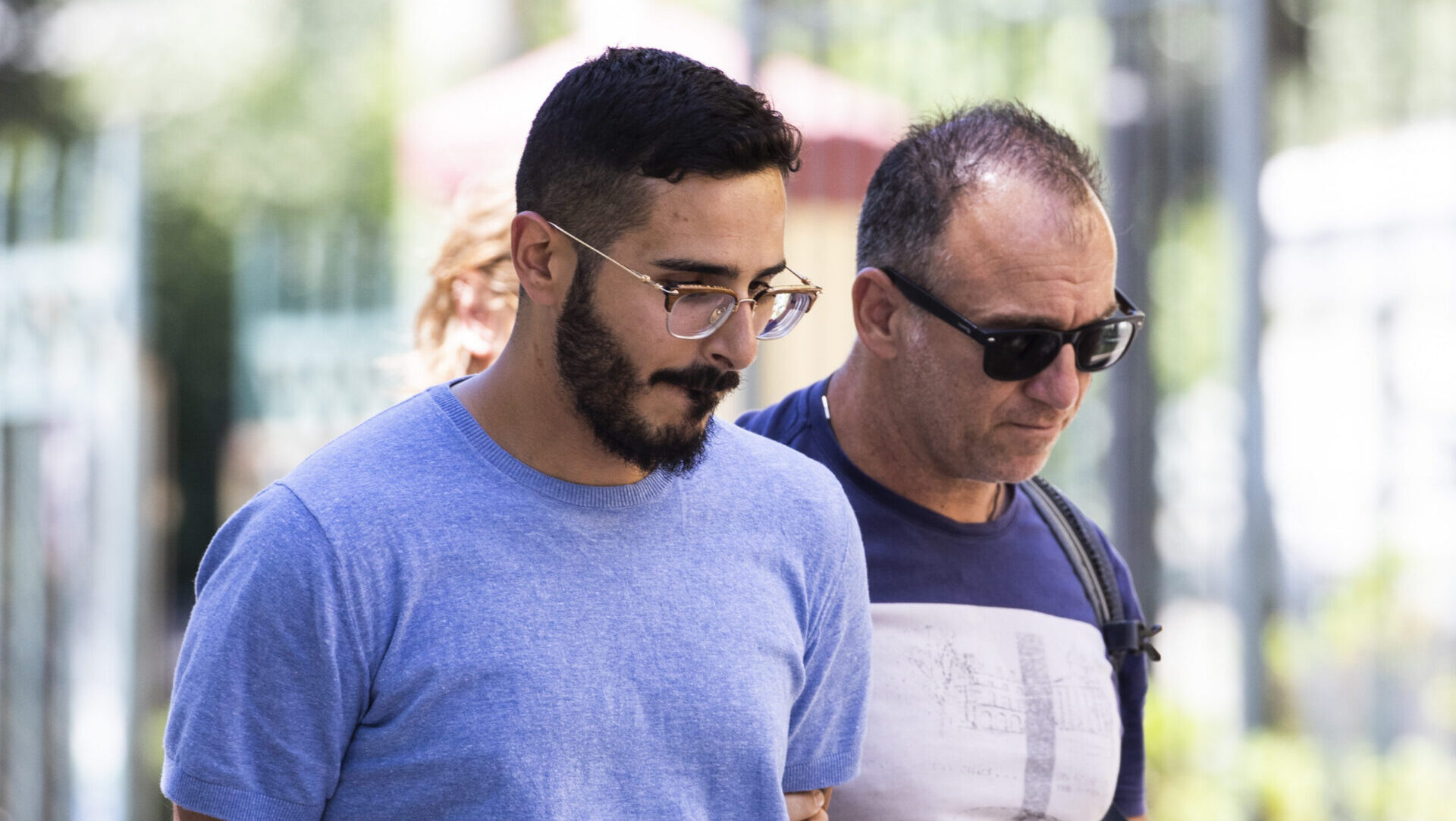

Rep. David Valadao (R-Calif), who introduced the bill into the House, told the International Consortium of Investigative Journalists that he drafted the consumer protection legislation after hearing firsthand accounts from residents in his California Central Valley district who had fallen victim to online swindlers.
“Millions of Americans use online dating sites to meet significant others, making them the perfect hunting ground for scammers and bad actors to target unsuspecting victims and exploit them for money,” Valadao told ICIJ. “This bipartisan, bicameral legislation is a common sense step toward enhancing online safety and combating financial fraud.”
The law, which will take effect in a year, will be enforced by the Federal Trade Commission and state attorneys general.
The ban notification requirement applies to users who received a message from the banned account through the dating service. The notice, generally required by apps 24 hours after issuing a fraud ban, would need to identify the banned account and tell the recipient when they most recently sent or received a message with that user. It also would need to warn that the person may have used a false identity or attempted to defraud users, advise people not to send cash or financial information and provide fraud-prevention resources and customer-service contact information.
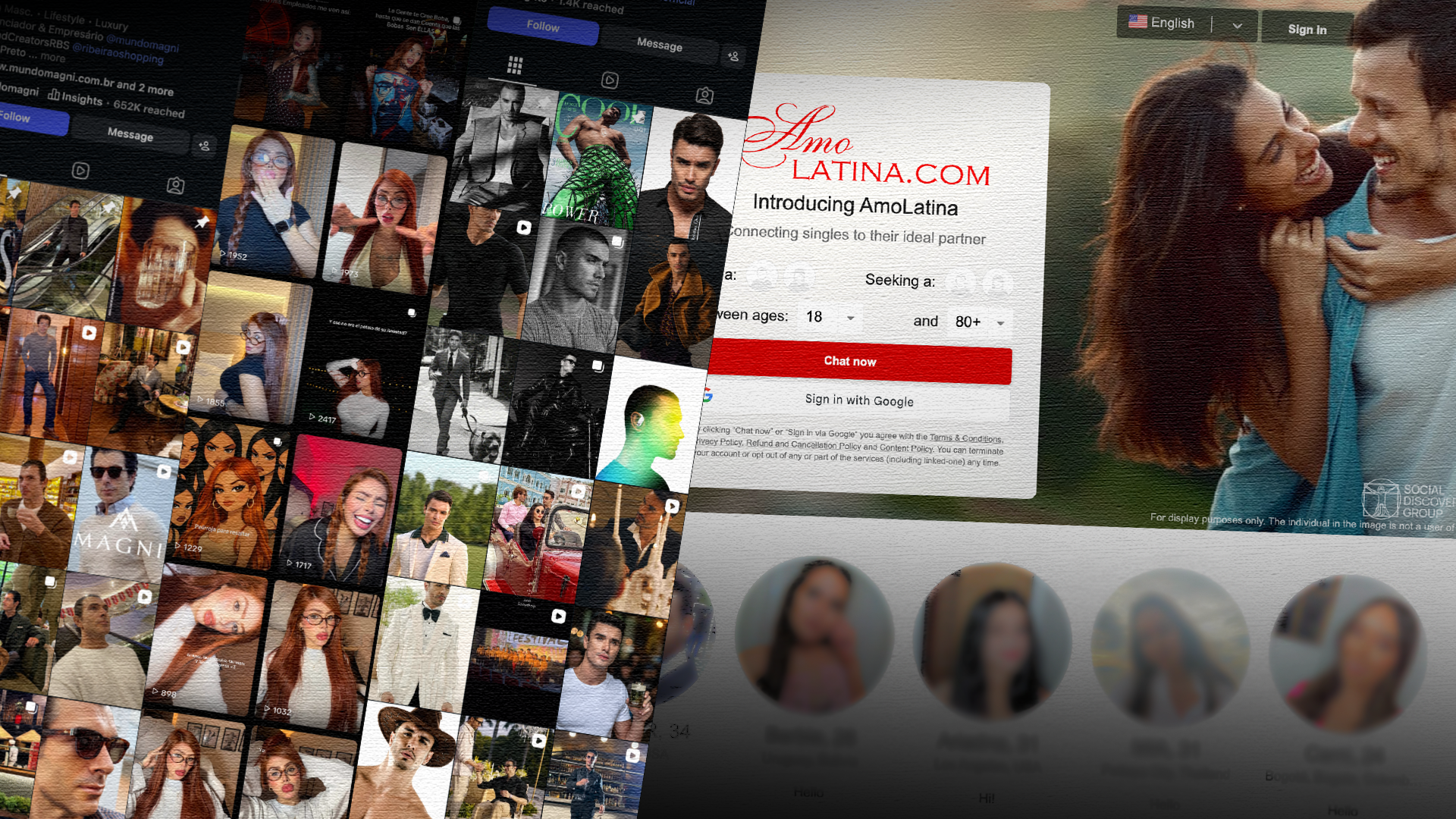
In July, an ICIJ investigation reported that women across four continents alleged they were emotionally manipulated and drained of money on pay-per-interaction dating sites including AmoLatina, Dating.com and DateMyAge.
The sites belong to the Malta-based Social Discovery Group, which is controlled by Russian entrepreneur Dmitry Volkov.
The women paid for every message, photo and video while “dating” attractive, supposedly verified profiles that never agreed to a live video call or an in-person meeting. Many later traced these suitors through reverse image searches to models and influencers, mostly from Brazil and Colombia.
The sites’ own policies set engagement quotas for “free users,” such as replying to most chats within minutes. SDG denies paying models or employing chat operators and says it bans profiles run by third parties.
The new law comes on the heels of a recent report from the Joint Economic Committee minority into scams on Match Group’s dating platforms — including Tinder, Hinge and Match, among others — that found nearly $1.5 billion in reported romance-scam losses last year, up roughly 650% from 2019.
A 2019 Federal Trade Commission lawsuit alleged that Match Group had knowingly exposed Match.com users to accounts previously identified as scammers. Match Group contended that most of the contentious accounts were spammers and bots.
The new report found that while Match Group had significantly expanded its anti-scam efforts, internal company documents show long-standing weaknesses in Tinder’s detection systems, including staff complaints that the AI models had not been updated in years, which degraded their performance and left them blind to common scammer signals, such as location and IP changes.
According to the report, Match Group’s own data showed scammers reaching more and more users. Between May 2024 and December 2025, the median scammer’s profile views before being banned rose from under 70 to over 500, an increase of more than 700%.
Internal documents also indicated that Tinder usually showed scammers to users at higher rates than legitimate accounts
“Scams that began on Match Group platforms have imposed significant human costs,” the report said. “Victims have lost entire savings, incurred lasting debt, and suffered severe psychological distress.”