PRESS FREEDOM
At least 40 journalists have fled El Salvador, fearing imprisonment
The country’s press association said reporters have been forced to leave the Central American country amid the government’s crackdown on dissent.
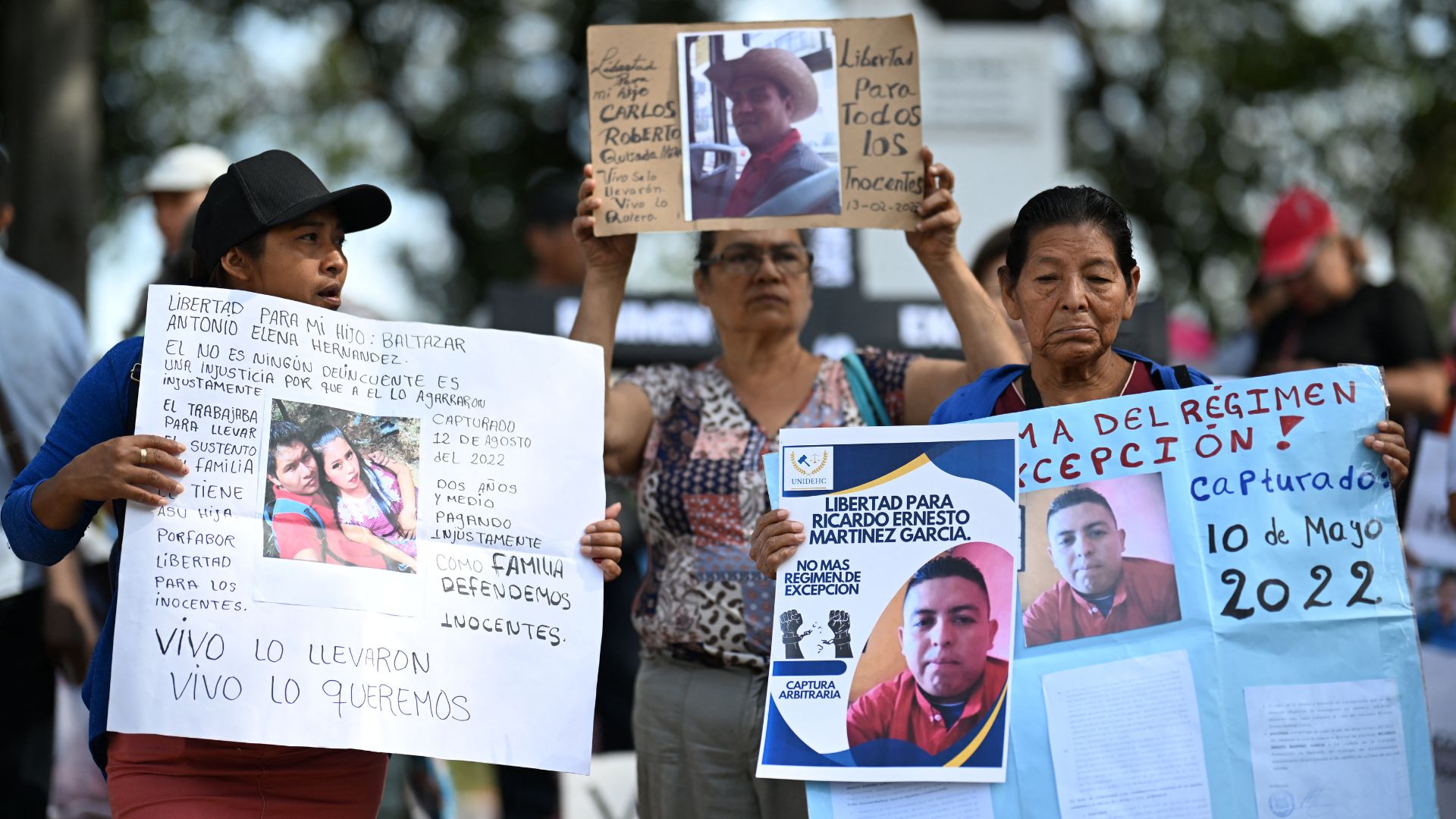
Dozens of journalists from El Salvador have gone into exile over the last month in the face of escalating government harassment, intimidation and arbitrary press restrictions, according to the Journalists Association of El Salvador.
The group, known by its Spanish acronym APES, warned in a press release of “strong indications that the state has specific lists for surveillance, intimidation, and even arrests of human rights defenders and journalists” within El Salvador.
APES estimates that 40 journalists, fearing arrest, have had to leave the Central American country in the last month as President Nayib Bukele has escalated his crackdown on his critics. Several among those exiled are reporters at award-winning investigative outlet and ICIJ media partner El Faro.

Expansive arrests and incarcerations have been a hallmark of Bukele’s regime as moves to rein in the country’s gang violence have spun out into unchecked human rights violations and blatant disregard for due process, according to critics.
On Monday, June 23, the head of a human rights nonprofit posted a video on social media saying she had to flee El Salvador because she received information that there could be an arrest warrant against her. Her organization had reported harassment against its employees earlier this month. In May, two lawyers critical of Bukele’s government were arrested.
El Faro, the investigative outlet, first sounded the alarm over the government’s alleged intention to arrest its staff last month. In a May 3 post on X, formerly Twitter, El Faro’s founder and ICIJ member Carlos Dada warned he had received information from a reliable source that the Attorney General’s Office was preparing arrest warrants against reporters who worked on stories about the president’s alleged ties to a gang. Two days later, the outlet said in a statement that a source had shared evidence that at least seven warrants were being prepared.
If the arrests were to happen, the statement warned, it would be the first time in decades that prosecutors sought to press charges against journalists for their work.
El Faro quickly worked to move some of their reporters out of the country, the outlet’s editor-in-chief, Óscar Martínez, told ICIJ on May 14.
“We are faced with the need to calculate our next steps,” Martínez said over the phone. “That means, to use preventative exits for some team members.”
The tip off came as El Faro reported and published an interview with two former leaders of the Barrio 18 gang, once one of the most powerful criminal organizations in El Salvador. El Faro’s reporting revealed new information about Bukele’s alleged “years-long relationship to — and negotiation with — Salvadoran gangs” dating back to before Bukele’s presidency, when he was running for mayor of the capital city San Salvador in 2014, according to the recent statement.
In the interview, which marked the first time that former gang members had spoken on camera, one of them claimed Bukele had cut a deal with his gang in exchange for votes in the communities they controlled. Both alleged Bukele had been complicit in their escape from the country in the face of arrest warrants. Bukele did not respond to El Faro but appeared to mock the allegations in a social media post.
El Faro editor Nelson Rauda was among those who left the country before the interview’s publication, he said in an interview with U.S. news program Democracy Now.
“A Salvadoran prison is the last place that you want to be in. So I exited the country,” Rauda said. “Right now, we don’t know when we will be able to come back. We don’t know. We have our whole lives in El Salvador. We have families, and our job is there, and houses. But we’re trying to make sure that we are safe first,” he added.
El Salvador’s prison system has become a symbol of Bukele’s power, specifically the Terrorism Confinement Center, or CECOT, a mega facility also currently holding undocumented migrants from the United States under an agreement with the Trump administration.
“The mass departure of these colleagues leaves a climate of increased fear in El Salvador,” APES, the country’s journalism association, wrote in its statement. “No government or institution should use its power to silence voices, persecute journalists and human rights defenders, or limit access to information.”