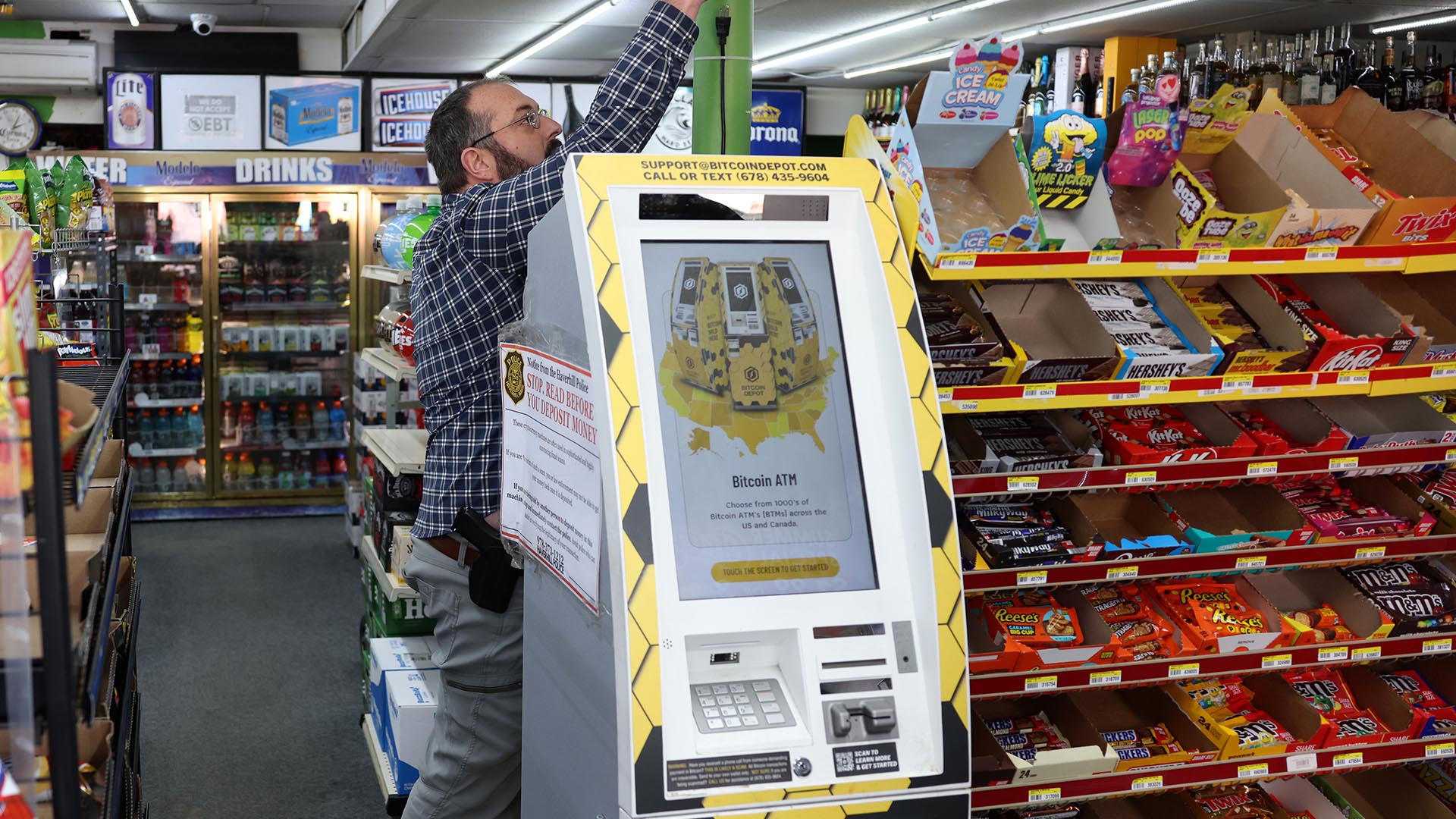
Bitcoin Depot, formerly the world’s largest operator of cryptocurrency ATMs, filed for bankruptcy Sunday, in the latest blow to an industry that has been plagued by allegations of facilitating hundreds of millions of dollars of fraud annually.
The company has taken its network — comprising some 9,700 kiosks — offline, CEO Alex Holmes said in a statement on its website, and will cease operations.
Holmes cited “increasingly stringent compliance obligations, including new transaction limits, and in some jurisdictions, outright restrictions or bans” on crypto ATMs that have made the company’s business infeasible.
Local and state governments across the United States have tightened restrictions on the machines, which allow cash to be exchanged for cryptocurrency at an automated kiosk similar to a bank ATM. Authorities have opened investigations into crypto ATM operators in response to concerns that the machines had become an easy way for scammers to take advantage of unsuspecting victims.
In 2025, consumers reported to the FBI $389 million of losses to scams involving the machines, which can be used to quickly move victims’ funds overseas and beyond the reach of U.S. law enforcement.


As the largest operator of cryptocurrency kiosks, Bitcoin Depot came under intense scrutiny from regulators and local governments across the U.S. for its failure to stop problematic transactions on its network. Over the past six months, the state of Connecticut suspended Bitcoin Depot’s banking license for lapses in anti-money laundering controls; Missouri’s attorney general opened an investigation into the firm and other crypto ATM companies; and Nevada and Maine settled enforcement actions with the firm, requiring it to pay fines and comply with state rules. Massachusetts’ attorney general sued Bitcoin Depot, alleging most of its revenue was derived from crypto scams. The company has also faced a lawsuit by the Iowa attorney general’s office.
The actions have had a punishing effect on Bitcoin Depot, according to documents it filed with the Securities and Exchange Commission earlier this month. The company’s quarterly revenue plummeted by nearly 50% year on year in the three-month period ended March, the filings said, largely driven by “state and municipal regulations banning or restricting Bitcoin ATMs, capping fees and limiting transaction sizes” alongside the company’s adoption of “increasingly enhanced” compliance and anti-fraud measures like more stringent “know your customer” processes.
In February, the company announced that it would require its customers to verify their identity for all transactions, making it more difficult for scammers to take advantage of the machines.
The revenue drop comes as Bitcoin Depot has racked up millions of dollars in legal fees, its bankruptcy filings show. The company faces multiple lawsuits related to allegations that it did not take sufficient measures to prevent its machines from being used for scams. That is in addition to a nearly $19 million arbitration award against it in late 2025 related to the business dealings of a Canadian subsidiary.
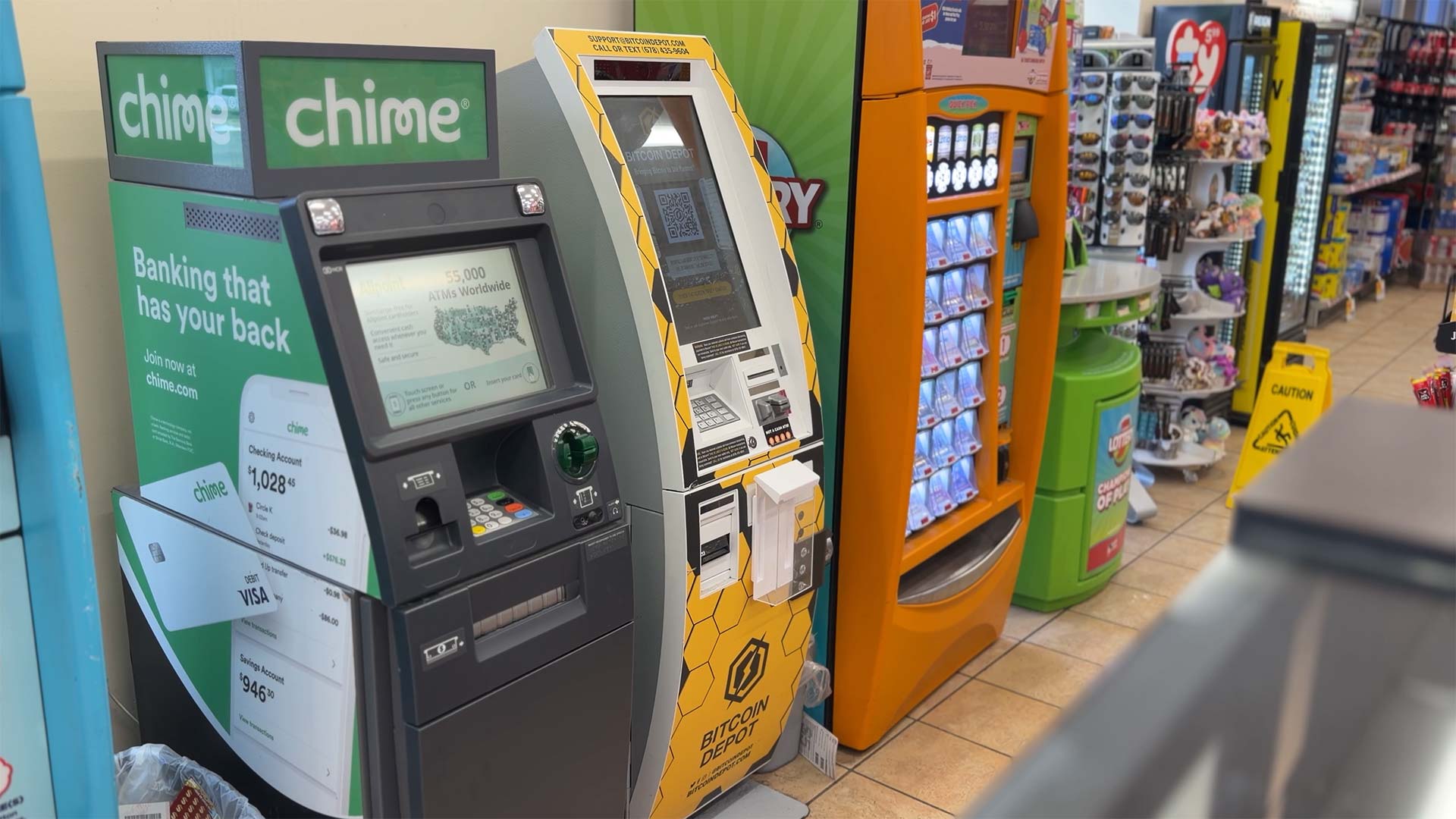
A 2025 investigation by ICIJ and CNN found that at least $1.5 million in scam transactions had passed through hundreds of Bitcoin Depot machines installed in Circle K convenience stores. Bitcoin Depot paid Circle K millions of dollars in rental fees as part of the partnership, while taking a cut of each transaction for itself.
Circle K management was aware of the problem, the investigation found, but continued its relationship with Bitcoin Depot anyway.