
IMPACT
Massachusetts sues Bitcoin Depot, alleging the crypto ATM operator knowingly facilitated crypto scams
The Massachusetts Attorney General’s lawsuit is the latest in a series of state legal actions against one of the world’s largest crypto ATM operators.
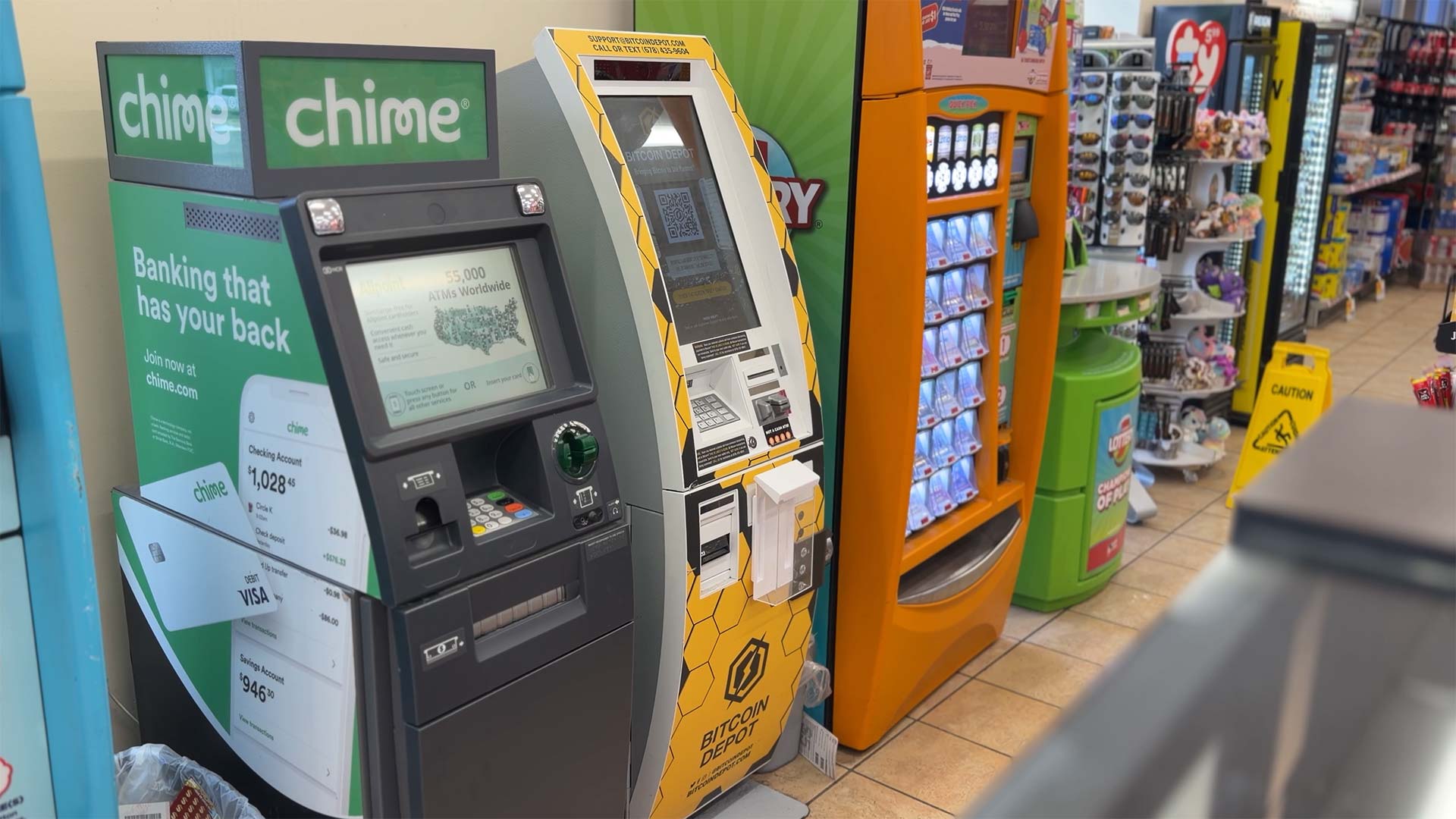
The Massachusetts Attorney General is suing crypto ATM operator Bitcoin Depot for allowing criminals to use its machines to scam the state’s residents, the latest example of increasing scrutiny on the business practices of one of the world’s largest operators of the machines.
“We’re alleging that instead of handling consumers’ money in good faith, Bitcoin Depot used misleading sales tactics to overcharge its customers and knowingly facilitated crypto scams that robbed Massachusetts consumers of more than $10 million dollars,” Massachusetts Attorney General Andrea Joy Campbell said in a press release.
The suit, filed Feb. 3, is the latest in a series of similar actions against crypto ATM operators across the country in response to growing concerns that sophisticated fraudsters are using the machines to bilk victims, especially the elderly, out of hundreds of millions of dollars annually.
The industry says that the machines, which allow cash to be exchanged for cryptocurrency at an automated kiosk similar to a bank ATM, provide a convenient way for customers to purchase electronic money like Bitcoin without going through conventional online crypto exchanges.
But law enforcement officers across the country say they have seen an explosion in fraud involving the machines, with scammers using them as a quick and easy way to move victims’ funds beyond the reach of authorities.
In 2024, the FBI received nearly 11,000 fraud complaints involving crypto ATMs, a 99% increase from the previous year. The complaints represented about $247 million in alleged losses. Those numbers are rising, with around $333 million lost to the same type of fraud between January and November 2025.
The abuse of the machines has prompted legislators at both the state and local levels to put tighter safeguards on their use or even ban them entirely.
And it has driven lawsuits against the machines’ operators by state attorney generals in Iowa and D.C.
Over half of the money that passed through Bitcoin Depot kiosks in Massachusetts between August 2023 and January 2025 was scam-related, according to the complaint.
In a statement to ICIJ, Bitcoin Depot wrote “We strongly disagree with the characterization that Bitcoin Depot facilitates scams or misleads users.” The company, it said, has “built our business around compliance and consumer protection,” working with law enforcement to address criminal activity on the machines and implementing multiple safeguards to protect its customers from scams.
On Tuesday, the company announced that it would require customers to verify their identity for every transaction.
The allegations against Bitcoin Depot echo those from a 2025 lawsuit by Iowa’s attorney general. In that case, an analysis concluded that more than 50% of the company’s transactions in the state between October 2021 and July 2024 appeared to involve scams.
Instead of handling consumers’ money in good faith, Bitcoin Depot used misleading sales tactics to overcharge its customers and knowingly facilitated crypto scams.
—Massachusetts Attorney General Andrea Joy Campbell
Since their invention in the early 2010s, crypto ATMS, which are mainly found in gas stations, liquor shops and convenience stores, have rapidly spread across the United States. A 2025 investigation by ICIJ and CNN revealed how Bitcoin Depot machines installed in hundreds of Circle K convenience stores have facilitated at least $1.5 million in scam transactions. Circle K received millions of dollars in rental fees from the partnership, while Bitcoin Depot pocketed a cut of each transaction, taking between 15% and 50% percent of the deposits for itself.
The investigation also found that Circle K management was aware the machines were being used to defraud customers and even their own employees. But the convenience store chain chose to renew its contract with Bitcoin Depot anyway.
Bitcoin Depot was long aware that its machines were being used for scams, according to the Massachusetts complaint, which alleges that members of the company’s due diligence team in 2021 concluded that 90% of customers the team interacted with were scam victims. One employee warned a top Bitcoin Depot executive that its kiosks were “facilitating money laundering at an ‘extreme volume.’”
Bitcoin Depot subsequently made some of its compliance measures “less effective,” the complaint alleges, noting that “this change facilitated more fraud.”
Meanwhile, the company’s own internal metrics showed that between 13% and 16% of the money that passed through its machines from March to September of 2023 was scam-related, according to the complaint.
At the same time, prosecutors allege, the company approved transactions that “should have raised red flags,” including customers using multiple kiosks on the same day. “Many transactions approved by Bitcoin Depot had blatant discrepancies,” the complaint said: “Some of the customers used fake names like ‘John Wick’ and the ‘Chosen One.’”
The company also allowed its customers to send funds to foreign cryptocurrency exchanges that do not allow U.S. customers to create accounts, prosecutors wrote.
At least one other state attorney general has opened an investigation into Bitcoin Depot’s business practices. In December, Catherine Hanaway of Missouri sent the company, and four of its competitors, letters demanding they turn over evidence related to suspected violations of the state’s consumer protection laws.
In a press release, Hanaway said the investigations were launched in response to “devastating new scams involving the use of Bitcoin ATMs to prey on Missourians.”
“Our Office is investigating concerning allegations regarding hidden fees and deceptive charges on these machines and will hold bad actors accountable.”