PARTNER STORIES
Damascus Dossier stories from around the world
Reporters from 26 newsrooms across 20 countries uncovered new details about the Assad regime’s crimes — and how authorities are still seeking justice.

One year after the fall of the Assad government in Syria, the Damascus Dossier investigation brought together more than 100 reporters to uncover new evidence of the regime’s abuses and reveal efforts to pursue accountability for those crimes in multiple countries.
Led by the International Consortium of Investigative Journalists and German broadcaster NDR, the cross-border investigation involved 26 newsrooms in 20 countries and was based on a trove of more than 100,000 leaked files from Syrian intelligence and security services.
Reporters found new details about the Assad regime’s systematic torture and murder of civilians; information about money funneled out of Syria by the ruling class under Assad; and explored how authorities across Europe have responded to calls for justice. Here is a selection of their stories:
Seeking justice
In Belgium, the federal prosecutor’s office told journalists from De Tijd, Knack and Le Soir that there are 19 open criminal investigations into individuals who allegedly violated international humanitarian law in Syria. These investigations include both alleged pro-Assad militiamen and former fighters for the Islamic State, a spokesperson for the office said. Yet experts told reporters that police and prosecutors are underresourced, warning that shortcomings in investigations could mean a number of war criminals from Syria are living under the radar in Belgium.
In Austria, two Syrian security officials who were granted asylum have been accused by prosecutors of torturing civilians protesting the Assad regime. Both men deny any wrongdoing. As part of the Damascus Dossier investigation, Austrian news magazine Profil and broadcaster ORF interviewed a man who claimed to be a victim of the crackdown against protests and could serve as a potential trial witness. The man said that one of the defendants, a general who is the most senior Syrian official to be accused of war crimes in Europe, had sometimes personally overseen the torture of prisoners.
“I hope that we will achieve justice for all those who couldn’t achieve it themselves — and for all those who have lost so much,” he said.
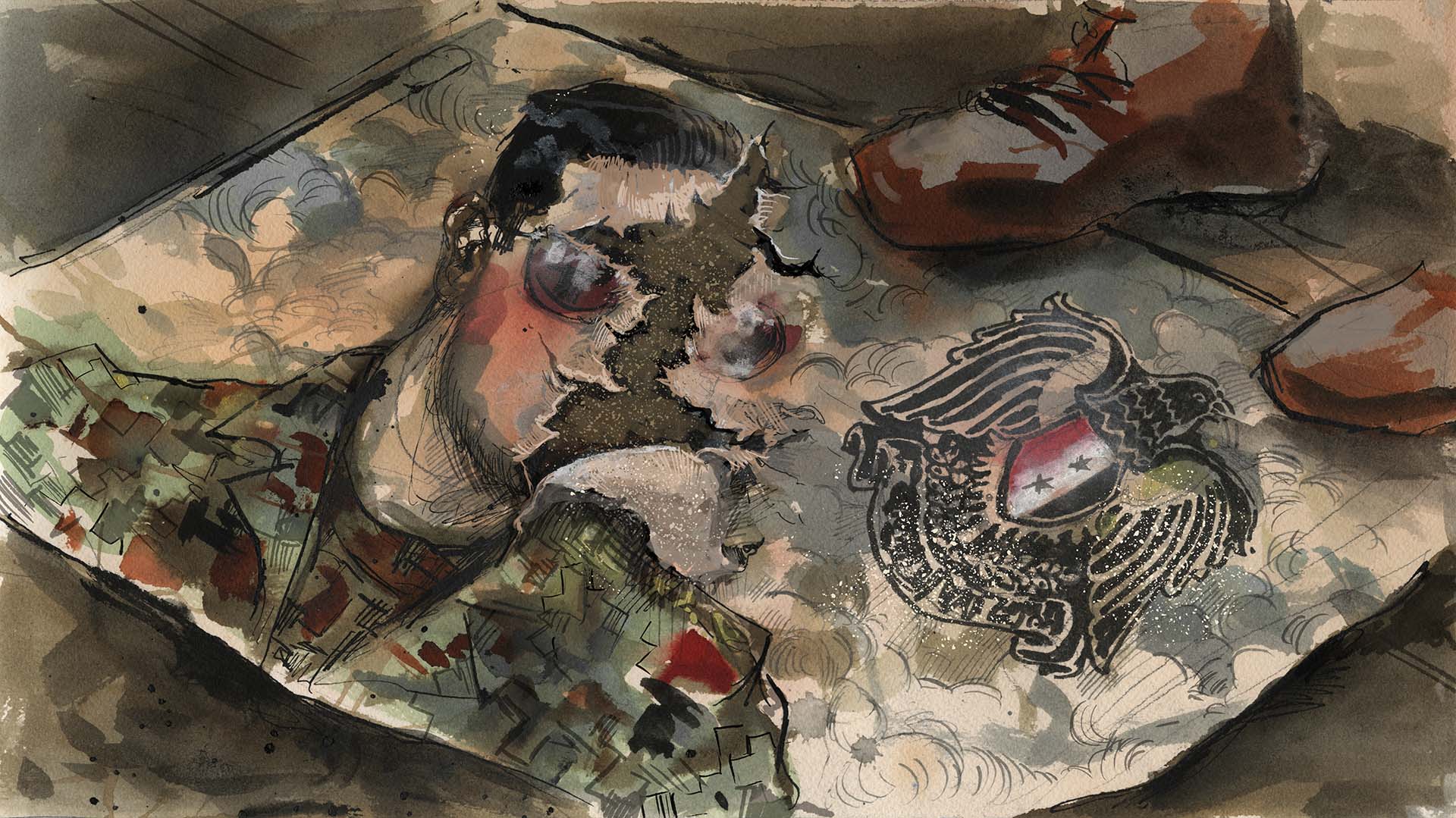


Other European countries are also looking to bring to justice former Syrian government officials and militia members implicated in human rights abuses. A Swedish prosecutor told broadcaster SVT that the information in the Damascus Dossier could be “incredibly important” in future legal cases.
The Damascus Dossier also revealed how economic elites under Assad’s rule hid millions of dollars in Europe. Reporters from Profil used leaked documents to track a corporate network that stretched across Austria and Germany, linked to tens of millions of dollars in property, including apartment hotels in the center of Vienna, Austria. Profil found the network was previously owned by Assad’s cousin — sanctioned billionaire businessman Rami Makhlouf — and that its current ownership is shrouded in mystery.
Uncovering abuses
The leaked files also included evidence of the Assad regime’s sweeping surveillance of Syrian citizens. The Arab Reporters for Investigative Journalism (ARIJ) and Lebanese outlet Daraj collaborated on an investigation into Syria’s two major telecommunications firms and how they abetted government surveillance by providing customer data to Assad’s intelligence services. Reporters interviewed Syrians whose lives were destroyed by this surveillance: In the case of one anti-Assad activist, his phone data allowed the government to gather information on the location and identities of a network organizing anti-government protests.
Damascus Dossier reporters also interviewed several Syrian families whose family members were killed by the Assad regime, in some cases providing them with the first information they received about their loved ones’ deaths. In its documentary, NDR featured an interview conducted in the eastern Syrian city of Deir Ezzor with the family of Muhannad Salah Khalifa, a young man killed in the prison system. The families looking for missing people are not only in Syria, but spread across the globe: Finnish broadcaster Yle interviewed a Syrian woman living in Finland whose brother was reported dead in the leaked documents.
For many Syrians, the search for answers continues. Among the images of the dead in the Damascus Dossier is Mazen al-Hamada, a famed activist who was killed by the Assad regime weeks before its collapse. SVT interviewed his sister, Amal al-Hamada, who had rushed to Syria’s prisons when the regime fell in the hopes of finding her brother alive.
“Information is the first step towards justice,” she told SVT. “If the perpetrators are not brought to justice, Syria cannot become stable.”