The trial of Diezani Alison-Madueke resumed this week in the Southwark Crown Court in London, with prosecutors alleging that the former Nigerian oil minister once blew about $190,000 (140,000 GBP) on a shopping spree for furniture and art that was paid by intermediaries.
The trial, which began in January, is the latest milestone in a longstanding corruption investigation across multiple jurisdictions.
Alison-Madueke, 65, who is currently out on bail, was minister from 2010 to 2015 under President Goodluck Jonathan and chaired the Organization of the Petroleum Exporting Countries, OPEC, for part of that time. She was first questioned by British authorities in 2015, and formally charged in 2023 on several counts of bribery.
Britain’s National Crime Agency accused her of improperly influencing multimillion dollar oil contracts in return for bribes, including at least $137,000 (100,000 GBP) in cash. Prosecutors allege she “enjoyed a life of luxury in London” that included the use of several London properties and service staff, furniture, school fees for her children, private flights and chauffeur-driven cars.
She is being tried alongside her brother, Doye Agama, a former archbishop of the Apostolic Pastoral Congress, and Olatimbo Ayinde, an oil industry executive.
Under the United Kingdom’s anti-bribery law, Alison-Madueke faces up to 10 years in prison and an unlimited fine. She has pleaded not guilty.
“It was improper for Alison-Madueke to receive financial and other advantage from people with substantial interests in the oil industry who profited from government generated business,” lead prosecutor Alexandra Healy said in court.
“There is an important public interest in ensuring that conduct in our country does not further corruption in another country.”
The years-long criminal investigation in the U.K. has taken place in parallel with civil forfeiture proceedings in the United States. Last year, U.S. authorities announced the repatriation of over $52 million in forfeited funds that were proceeds of corruption.
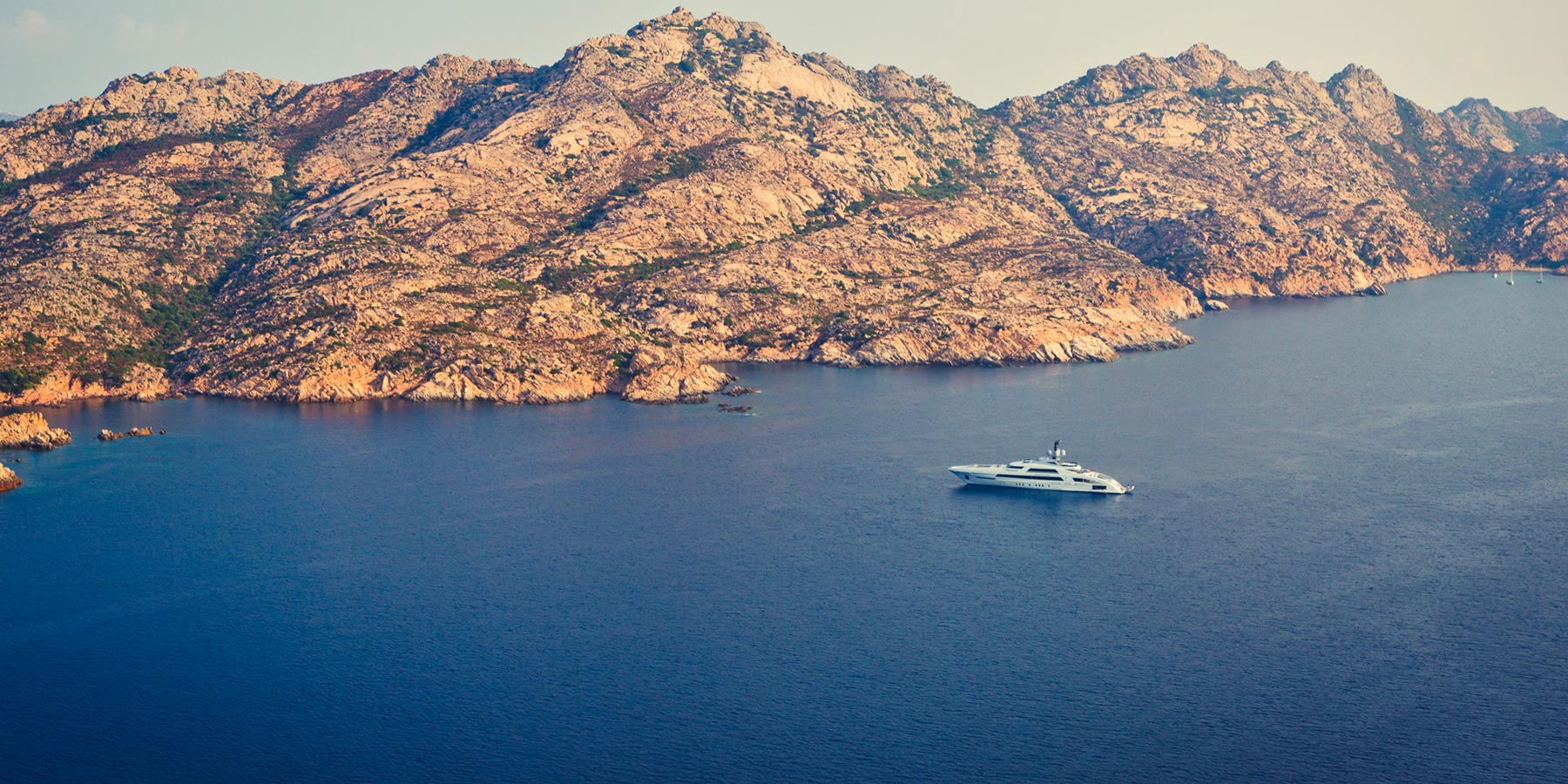
Assets seized by the U.S. included prime real estate in New York and California, and the superyacht Galactica Star.
A Panama Papers investigation by the International Consortium of Investigative Journalists revealed that the boat was owned by Nigerian petroleum and aviation magnate Kolawole Aluko, widely seen as a key ally of Alison-Madueke.
Last week, the U.K. court heard how the bank cards of Aluko and his company Tenka Limited paid about $2.5 million (more than 2 million GBP) for Alison-Madueke’s shopping sprees at London’s famous departmental store, Harrods. Tenka also allegedly paid for staff and refurbishments at the property that Alison-Madueke used.
Aluko rose to prominence during Alison-Madueke’s stint as minister, when Nigeria’s government awarded lucrative oil blocks to companies linked to him on a no-bid basis. One of those companies was created the day before it was granted a multimillion dollar licensing deal.
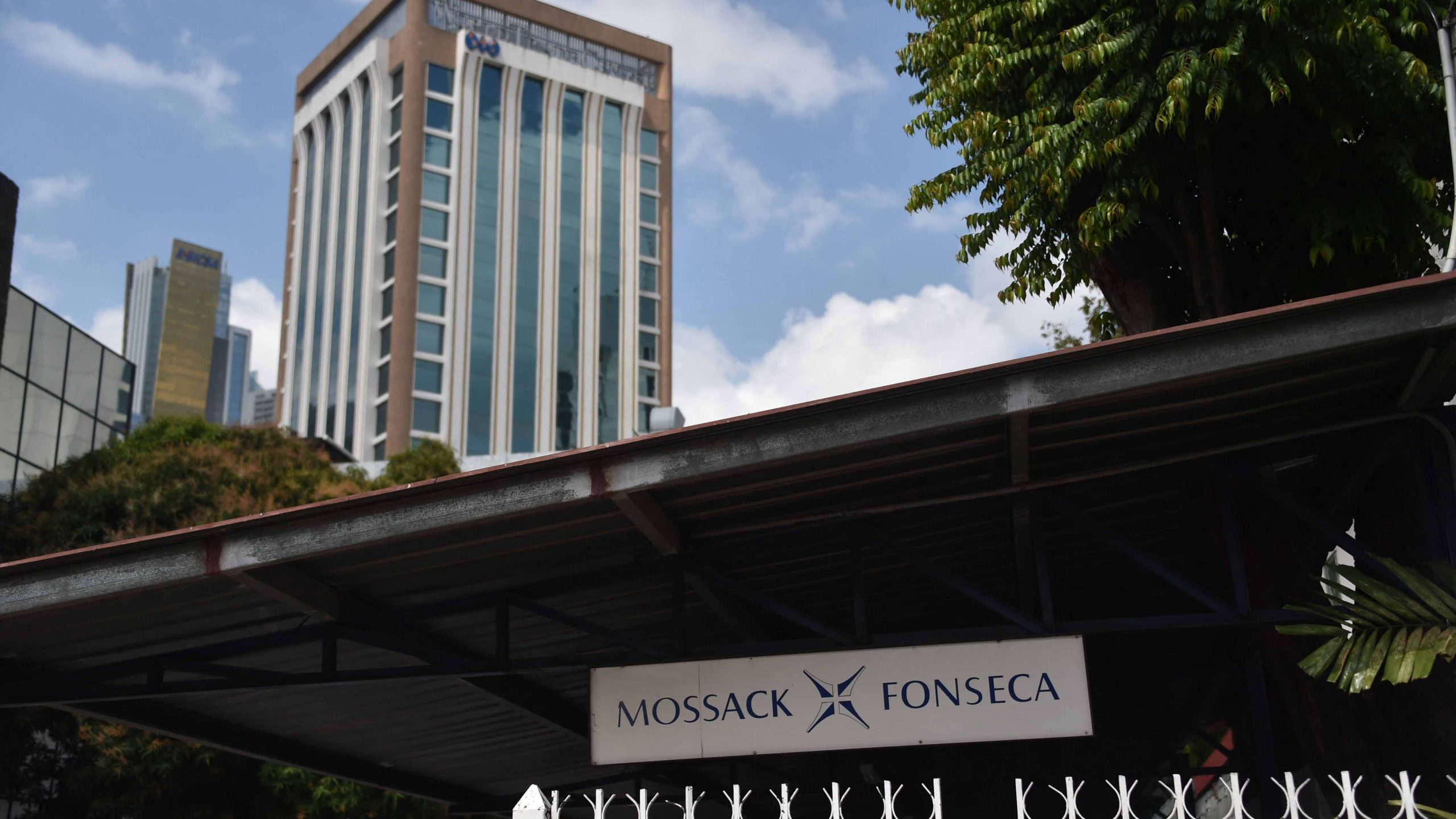
Mossack Fonseca, the law firm at the heart of the Panama Papers, maintained its relationship with Aluko despite mounting negative media linking him to fraudulent oil contracts in Nigeria. Around the time Alison-Madueke first appeared in court in 2015, Mossack Fonseca helped Aluko obtain a $30 million home loan.
In July 2016, Nigerian authorities charged Aluko alongside several others with ties to the former minister, but his name was later dropped from the charge sheet. State prosecutors admitted that they had been unable to locate him and serve him with court papers.
In 2022, a Nigerian appeals court upheld the decision to seize Nigerian properties belonging to Aluko, including a mansion valued at $19 million.
In Alison-Madueke’s trial, which is expected to last for about three months, her lawyer maintains that she was merely a “rubber stamp” for official decisions that she had no real influence over.
According to media reports, her lawyer told the court that payments were made on her behalf “because Nigerian ministers are forbidden from having bank accounts abroad”, and that the payments were reimbursed.