
PANDORA PAPERS
Five years after the Pandora Papers, transparency laws lose their teeth
Reforms promised swiftly after ICIJ’s investigation have fallen short in New York and beyond.
Lina Rénique-Poole, a tenant advocate in Brooklyn, had high hopes in 2023 about a bill moving through the New York State Legislature that promised to rein in the anonymous companies often used to own real estate.
“When tenants have complaints or need to sue their landlord for repairs, it’s always a mystery who’s really the owner,” Rénique-Poole, who works for nonprofit housing organization Southside United HDFC, commonly known as Los Sures, recently told the International Consortium of Investigative Journalists. “Most of the rent-stabilized buildings in New York that we work with are owned by LLCs, which means that a lot of times tenants don’t know who their landlord is.”
Limited liability companies, or LLCs, are a popular U.S. business structure that shields owners from personal liability and lets them stay anonymous. Los Sures wasn’t alone in wanting that to change. Other tenant advocates, local unions, anti-corruption groups and district attorneys rallied behind the bill, known as the LLC Transparency Act.
We have a justice system that has been so manipulated that you could actually own a bad-acting business and not have any way of seeing any kind of accountability.
—New York state lawmaker Emily Gallagher
Hidden ownership, they said, let landlords dodge accountability for neglected buildings, contractors evade wage-theft judgments and money launderers park cash in luxury real estate. At the bill’s heart was a public, searchable database that would show the names of the real people behind LLCs.
However, by the time the law took effect in January 2026, it had been stripped of the public database and, like its federal counterpart, no longer applied to most of the companies advocates had hoped to unmask.
“It hasn’t made that much of a difference,” said Rénique-Poole, who for a decade has helped tenants in about 30 buildings fight for basics like gas, hot water and heat in winter.
New York’s law was one of many reforms proposed or revived in the wake of the Pandora Papers, ICIJ’s 2021 investigation that showed how world leaders and the ultra-rich used secrecy havens from the British Virgin Islands to South Dakota to hide their wealth. Much of what the leaked files revealed was legal: a global industry of lawyers and advisers built anonymous companies and trusts, permitted by laws of the U.S. and other nations, to shield the assets of the rich and powerful from public scrutiny and, sometimes, from tax authorities and creditors. Governments from Washington to Canberra promised change.
Five years after the publication, ICIJ reviewed what became of some of those promises. A handful became law. Many more stalled, were watered down or dropped. And in the United States, much of what was won has been rolled back.
Big promises with mixed results
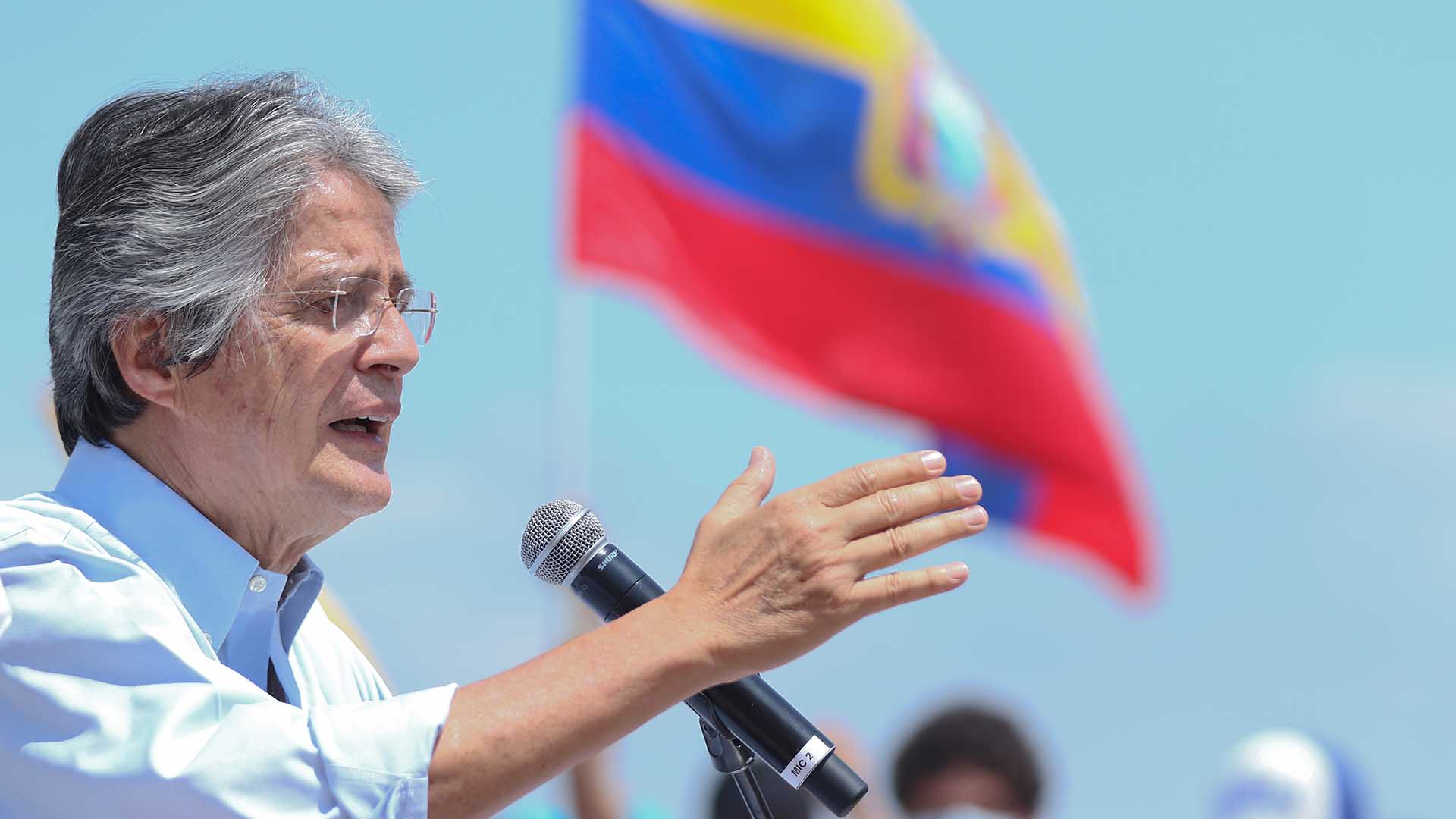
Several countries promised registries of company owners similar to the one New York lawmakers set out to build for LLCs. In Chile, where the Pandora Papers named then-President Sebastián Piñera, plans for a public registry gained momentum. Piñera’s successor, Gabriel Boric, sent a bill to Congress in 2023; it has stalled in the Senate since. Panama tightened its registry law with steeper fines, but only authorities have access to it.
In Switzerland, where the Pandora Papers exposed the role the Swiss wealth management industry played in setting up offshore companies, a first federal register of company owners took effect this month, along with new checks on wealth advisers. It, too, is closed to the public. In the European Union, the bloc’s top court shut public access to company ownership registries in 2022, citing privacy, even as the European Parliament called for greater transparency in response to the leak.

Rules for what advocates call “enablers” — the lawyers, accountants and others who set up these companies and trusts — have had mixed results. Days after the Pandora Papers, U.S. lawmakers introduced the ENABLERS Act, requiring these professionals to screen foreign clients for dirty money. It passed the House but died in the Senate in 2022. Australia’s Parliament, pressed by advocates citing the leak, passed similar rules in 2024, nearly two decades after the government first promised them. They took effect this July.
And the EU dropped its promised crackdown on shell companies last year.
“With the Pandora Papers, you could really see that if you introduce a half solution, money’s just going to go wherever there’s still a place to hide. We can’t just fix half of the problems,” said Tove Maria Ryding, who leads tax justice work at the European Network on Debt and Development. “It is disappointing that not more has happened in five years.”
‘A shell of a bill about shells’
In 2015, Emily Gallagher, now a New York state lawmaker, was volunteering with a coalition of housing groups when she joined a protest supporting tenants of a building in Greenpoint, a gentrifying neighborhood in north Brooklyn. Residents described trying to get repairs with no idea whom to call. Some got eviction letters from people they had never heard of. The owner was an LLC, and the trail ended at a rented mailbox in a shipping store a few miles away. Organizers with the coalition later found hundreds of buildings registered to the same storefront.
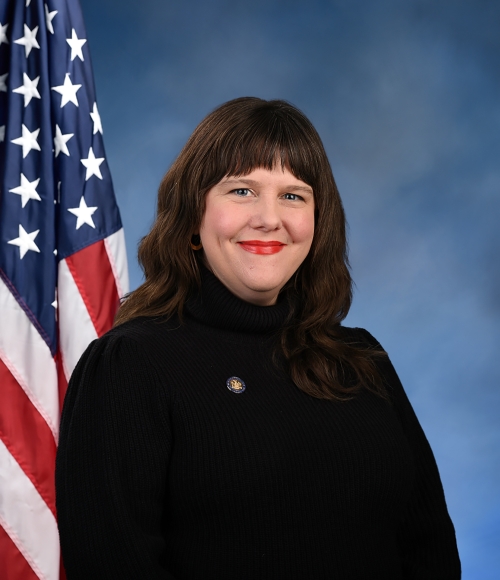
At monthly meetings of local community leaders, Gallagher heard the same story again and again.
“I was like, ‘How is this possible?” she told ICIJ. “We have a justice system that has been so manipulated that you could actually own a bad-acting business and not have any way of seeing any kind of accountability.”
After winning a seat in the State Assembly in 2020, she made LLCs a priority. In 2022, she and then State Sen. Brad Hoylman-Sigal introduced the LLC Transparency Act. The Pandora Papers, she said, “enabled us to actually start having a public conversation that wasn’t immediately shut down.
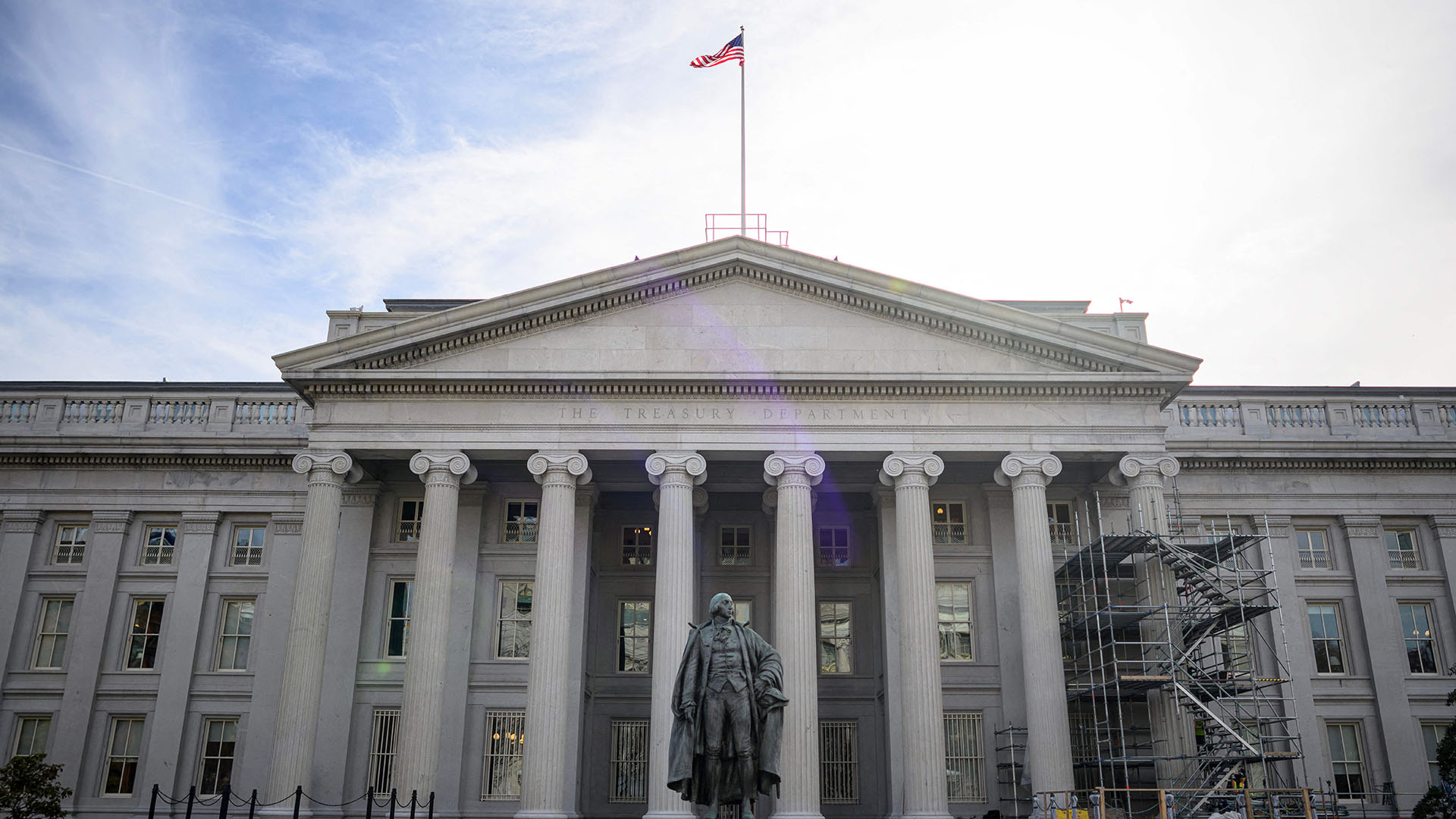
Around that time, the federal government was preparing to require companies to privately report their real owner to the U.S. Treasury, under the Corporate Transparency Act, a 2021 law passed months after ICIJ’s FinCEN Files investigation. Business groups in New York complained about the extra burden of having to report their owner twice, to both the state and federal governments. So, Gallagher agreed to tie the state bill to the federal law, using the CTA’s rules on which companies had to report and who counted as an owner. “I was trying to compromise,” she said.
The bill, passed in 2023, required every LLC formed or doing business in New York to report its real owners to the state, and would have listed their names in the public online database, the first of its kind in the U.S. Real estate groups pushed back strongly, arguing the registry could lead to identity theft.
For six months, the bill awaited Gov. Kathy Hochul’s signature. Then, in closed-door negotiations, Hochul’s office secured changes to the bill that removed the public database requirement, New York Focus reported. On Dec. 23, she signed the law with its centerpiece gone. The owners’ names would be visible only to government agencies and law enforcement.
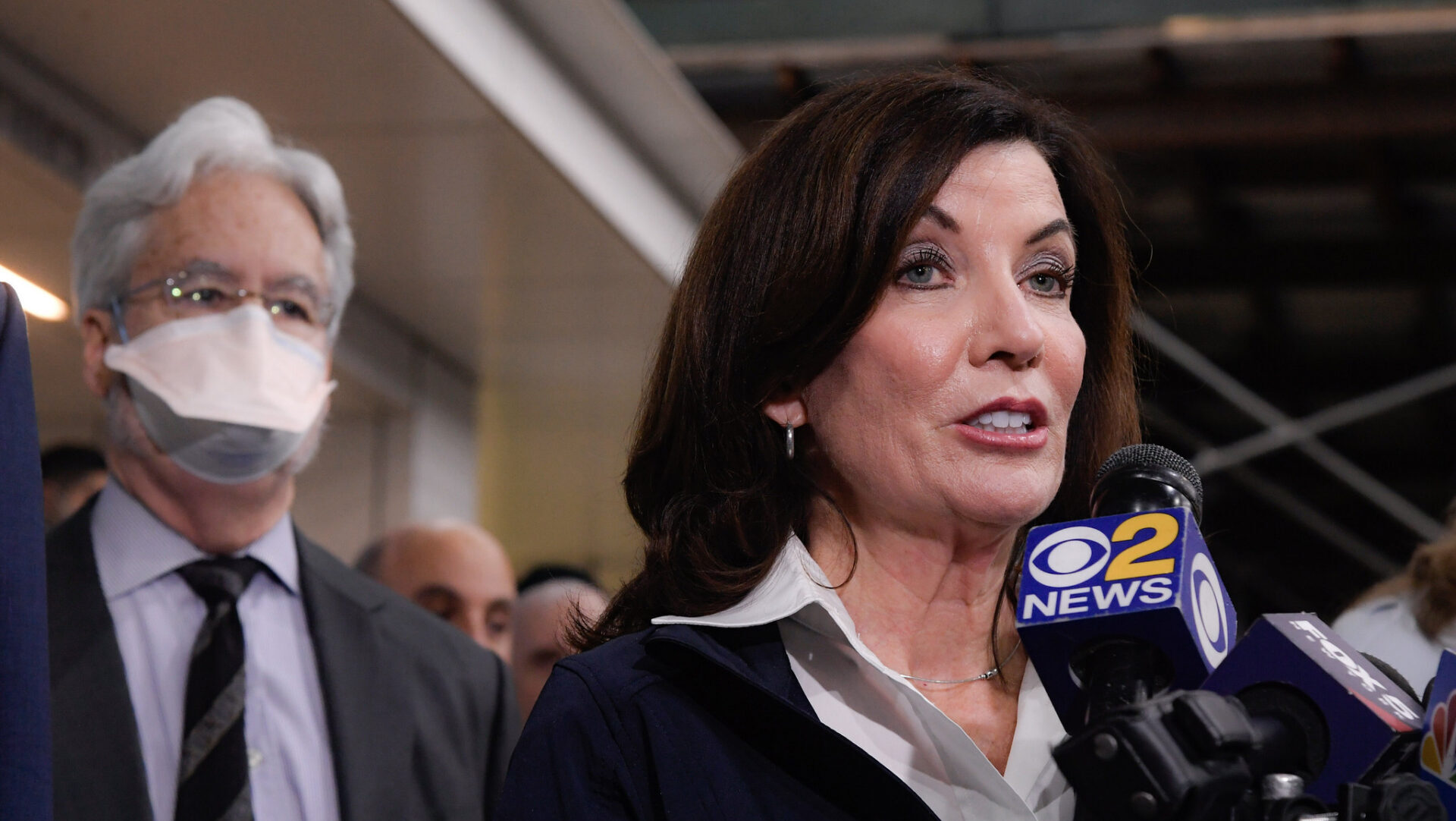
Hochul hailed the new law anyway, saying it would arm police and prosecutors against wage theft, money laundering and the abuse of tenants. But for Gallagher and Hoylman-Sigal, it didn’t go far enough. “Disclosure to state and local governments,” they wrote in a statement, “is an important first step, but it is not transparency.”
In March 2025, President Donald Trump’s administration exempted U.S. companies from the Corporate Transparency Act. Because New York’s law was tied to the CTA, it would also now cover only LLCs formed abroad.
“There was a gaping hole left in our bill with no paperwork, no definitions,” Gallagher said. “All of that had been borrowed from the Corporate Transparency Act, and because it was a reference, it was like a broken link. It went to nowhere.”
Gallagher rushed to close the gap in June 2025, pushing through the legislature a companion bill that gave New York its own definitions, so the law would again cover LLCs formed in the U.S. Six months later, Hochul vetoed it, saying it would impose “a mandate for businesses in New York that is not required under federal law.”
“She made a shell of a bill about shells,” Gallagher told ICIJ.
Hochul, who is running for re-election in November, did not answer ICIJ’s questions. Instead, her office forwarded her veto memo. The New York Department of State, which runs the database, did not respond to a request for comment.
So far, little has changed for advocates of Los Sures. The vast majority of the anonymous companies behind the buildings it works with were formed in the U.S., Rénique-Poole said, so the law doesn’t reach them. And even when officials know who a landlord is, she said, tenants are often left in the dark. “They don’t share it with us.”
Gallagher said tenants still ask her when they’ll be able to look up who owns their buildings. She tells them they can’t. “I’m never going to give up on this,” she said. “Sometimes you think that you’ve won, but you’ve only won the first battle.”
A landmark law, rolled back
The Corporate Transparency Act became law at the last possible moment. Lawmakers had tucked it into a must-pass defense spending bill. Trump vetoed the bill, but Congress overrode him on New Year’s Day 2021, just two days before a new Congress was sworn in. Nine months later, the Pandora Papers revelations made clear the reform was urgent, anti-corruption advocates said, as they pressed the Treasury to put the law into effect.
Erica Hanichak, who like many other advocates has spent years pushing for corporate transparency, counts the law’s passage among the best moments of her career.
“It proved to me that democracy worked and that our voices mattered in Congress,” said Hanichak, co-director of the Financial Accountability and Corporate Transparency (FACT) Coalition.
The Pandora Papers revealed that secrecy wasn’t only something the U.S. policed elsewhere. It was something it offered. ICIJ identified 206 U.S. trusts holding more than $1 billion in assets, many in South Dakota, nearly 30 of them linked to people or companies accused of fraud, bribery or human rights abuses. Yet the Corporate Transparency Act largely left such trusts untouched, and the ENABLERS Act, which would have required trust companies to vet their clients, then died in the Senate.
States did little to close the gap. Alaska lawmakers, citing the Pandora Papers, proposed making trust owners identify themselves to regulators; the bill never made it past committee. In Wyoming, where the leak exposed a dozen foreign clients with trusts, lawmakers reviewed the state’s secrecy laws and took no action, and a later bill to identify trusts behind LLCs narrowly failed. South Dakota paused its annual industry-drafted updates to its trust laws for one session, then resumed them in 2023 with a law that makes it easier to set up a trust by allowing for documents to be signed electronically.
“The United States was very keen to receive information from other countries but refused to send information back,” Ryding said. “And when you behave like that, you become a perfect place to hide your money.”
Four years after its passage, Hanichak watched Trump’s second administration take the CTA apart. In March 2025, just as millions of companies were filing, the Department of the Treasury exempted more than 99% of those required to report. This August, it made the change permanent and said it would delete the information it had already collected on U.S. owners. Treasury Secretary Scott Bessent called it “a victory for common sense and American small businesses.”
Zorka Milin, co-director of the FACT Coalition, argues the rollback is unlawful.
“They basically repealed it,” she said, “but only Congress can repeal laws under our Constitution.” A future administration, she said, could restore the reporting requirements for U.S. companies.
Meanwhile, Hanichak said, other countries are forging ahead with certain transparency measures. “The U.S., despite being the largest economy in the world… is lagging behind,” she said, noting that more than 130 countries have ownership disclosure rules in place or in the works.
Australia is one. Since July, more than 80,000 lawyers, accountants, real estate agents and other businesses have been required to check who their clients are and report suspicious money, a reform first promised nearly two decades ago.
The ICIJ’s 2016 Panama Papers investigation and Pandora Papers “were evidence of the problems we had known about for many years,” said Clancy Moore, chief executive of Transparency International Australia. “That people could hide their wealth behind companies and trusts, and how professional enablers helped them do it.”
The reforms in his country, he said, “give us a better chance of detecting suspicious funds before they are concealed in property or complex corporate structures.”
Even there, the work isn’t finished. Australia still has no public register of company owners, which Moore called a major priority. Without one, professionals checking who really owns a company have no official source to verify it against. The government says detailed work on a register won’t begin until 2027.
Hanichak said reforms like these can take decades. “One of the things I’m afraid of is that people will see how long it takes to fight the good fight, and risk not trying,” she said. “What’s most important is that we keep coming back every day with the same energy.”