PRESS FREEDOM
Journalists in Peru seek protection from justice system amid rising threats, harassment by officials
A verbal threat by Lima’s mayor against veteran reporter and ICIJ member Gustavo Gorriti rocked the journalism community.
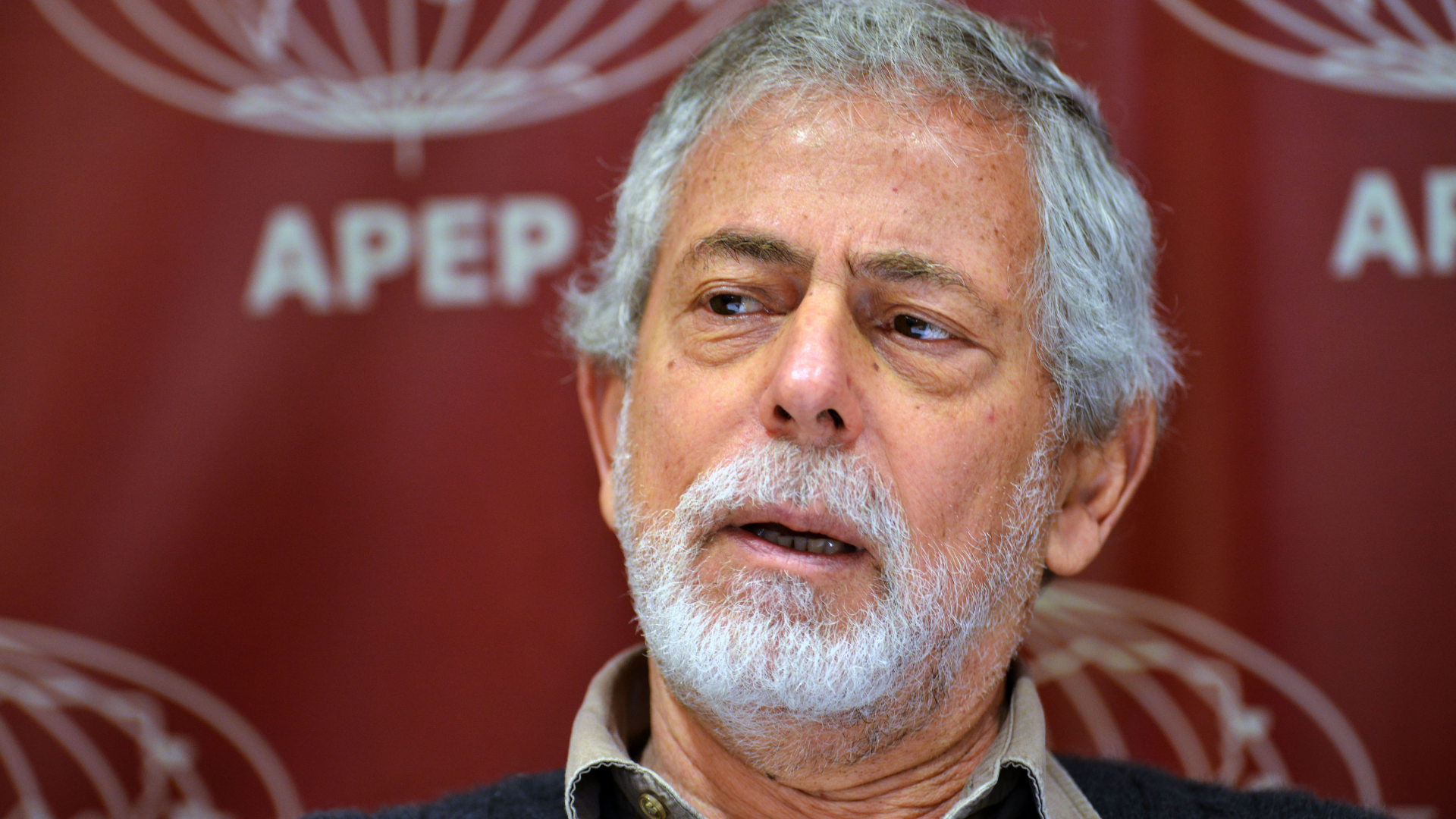
Hundreds of journalists in Peru this month organized to denounce increasingly dangerous working conditions amid rising harassment and threats. In a statement, the nearly 300 reporters condemned recent attacks by public officials and demanded additional safeguards.
Data gathered by the country’s press association, known by its Spanish acronym ANP, shows the number of attacks against journalists, including death threats, have doubled in Peru since 2022. In 2025 alone, the association said, two journalists were murdered and 180 assaults against journalists and media outlets were recorded as of July. The ANP found that the main aggressors are public officials, especially those under investigation for corruption, money laundering and human rights violations.
“Those currently in power have repeatedly shown that their only priority is impunity,” the statement said. “For this reason, we call on the operators of the justice system to urgently and firmly defend fundamental rights.”
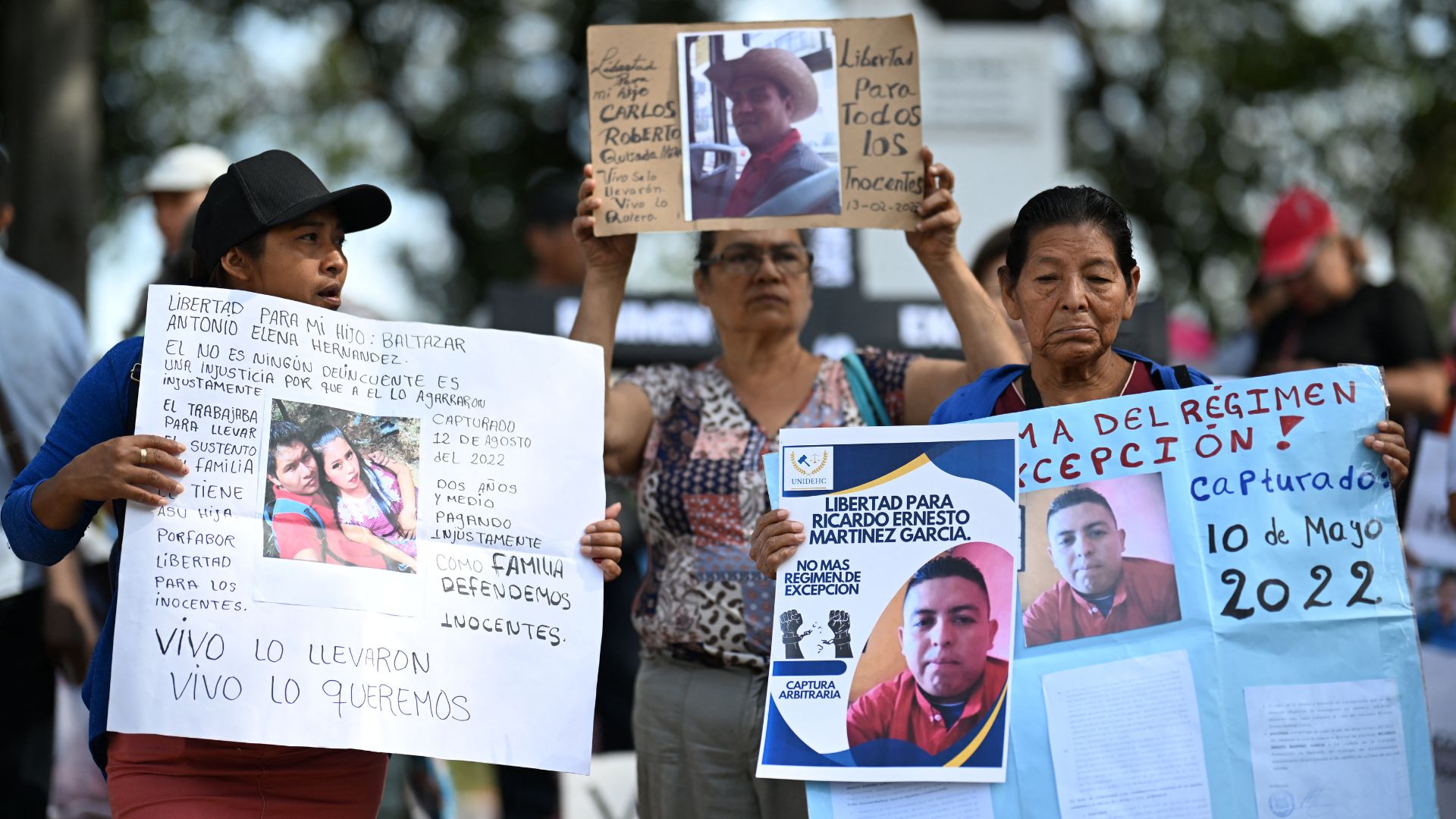
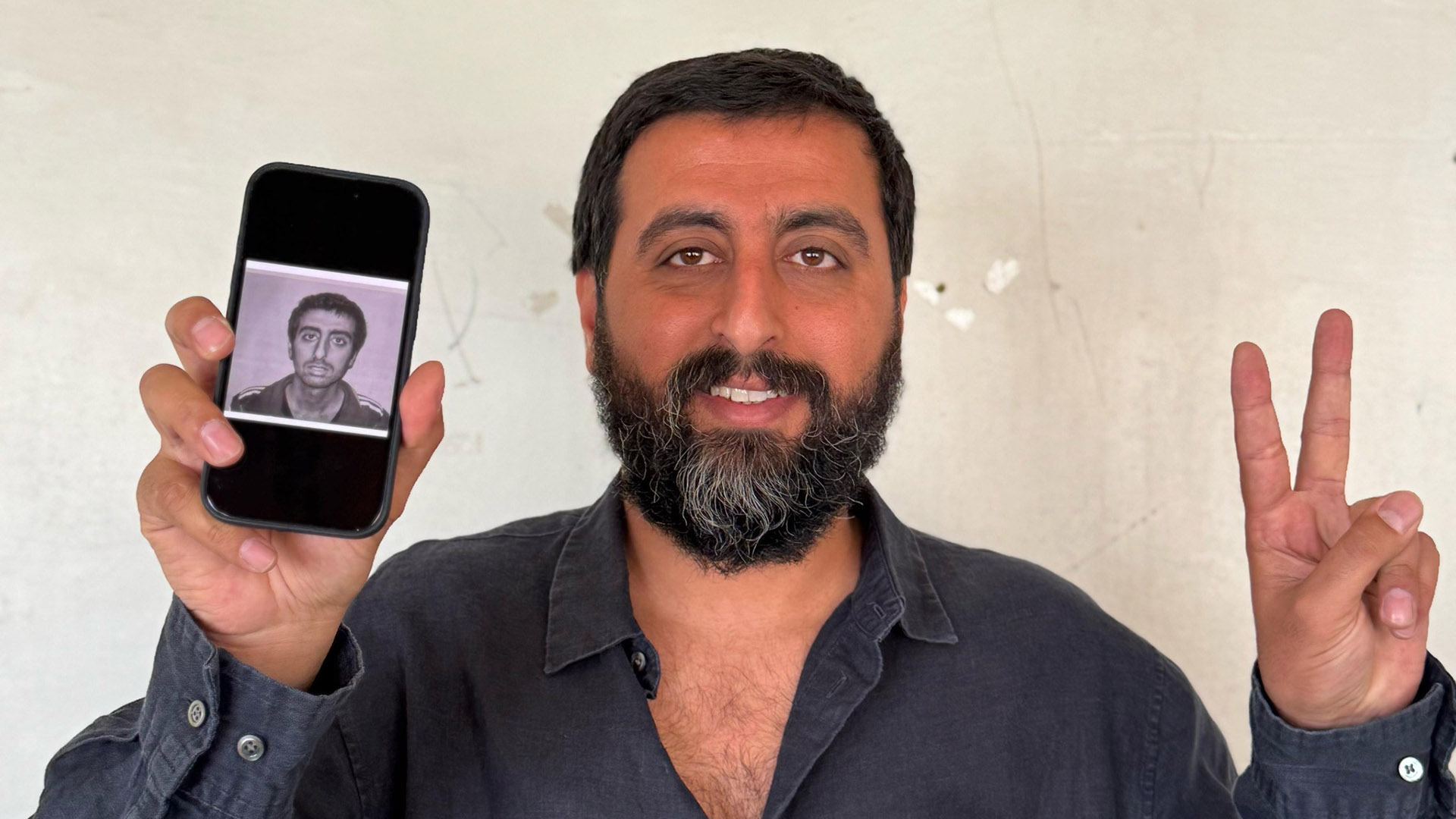
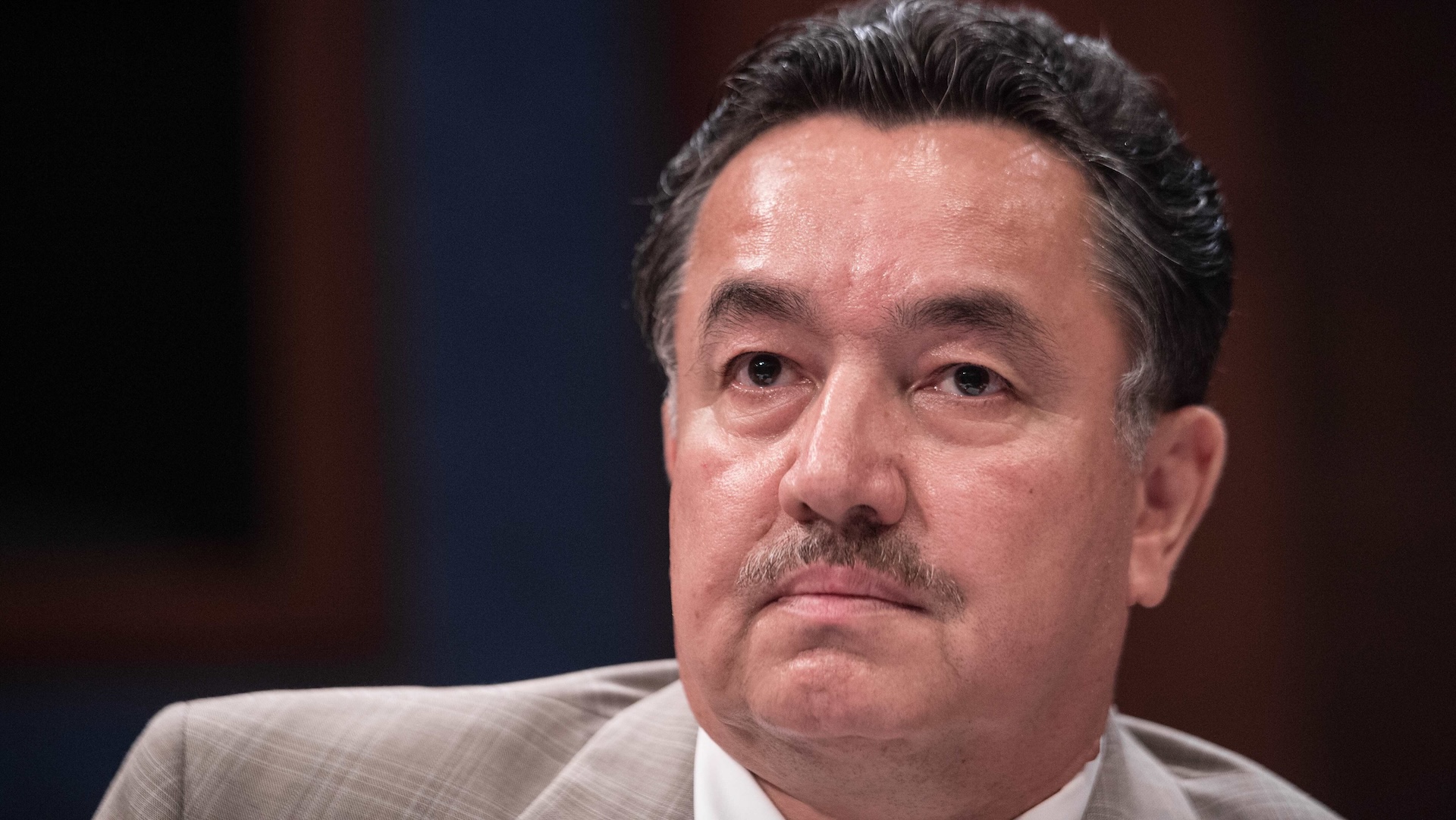
Several prominent journalists, such as Rosa María Palacios, Rodrigo Cruz, César Prado, Karla Ramírez, Clara Ospina and Mónica Delta, were among those who had been attacked by politicians or members of the judiciary, said Milagros Salazar, an ICIJ member and director of the Peruvian investigative outlet Convoca, an ICIJ partner.
“There has been a strengthening of corruption and impunity networks of various politicians and figures being implicated in judicial investigations, and these cases were initially revealed by the press,” Salazar said.
One recent case that rocked the community: the mayor of the Peruvian capital Lima suggested publicly that Gustavo Gorriti, a 77-year-old investigative reporter and ICIJ member, should be “taken”, which was widely interpreted as a veiled murder threat. The comments were made on Sept. 9 by Mayor Rafael López Aliaga, who ANP said was involved in 14 separate cases of harassment of the press in just the first four months of this year.
Gorriti has been targeted by López Aliaga since 2017, when Gorriti’s outlet, IDL-Reporteros, revealed the offshore companies that López Aliaga established through the Panamanian firm Mossack Fonseca, according to documents leaked in the Panama Papers. IDL-Reporteros exposed financial transactions and allegedly fraudulent actions committed by López Aliaga in his battle with his former business partner to gain control of assets.
Last month, the prosecutor’s office asked to extend the ongoing investigation into suspected money laundering by López Aliaga related to the Panama Papers. He called the investigation “political persecution,” according to a post on his Instagram.
There has been a strengthening of corruption and impunity networks of various politicians and figures being implicated in judicial investigations.
—Milagros Salazar, ICIJ member and director of investigative outlet Convoca
This month’s verbal threat, Gorriti told ICIJ, has been the culmination of a years-long confrontation with López Aliaga, and part of the politician’s intensified rhetoric ahead of the Presidential elections next year.
“He’s been using an extremely aggressive, demagogic rhetoric that truly calls for hostility, total confrontation, and violence, dismissing his opponents as terrorists or criminals,” the journalist said. “This is to create a scenario in which his enemies are either cowed or on the defensive.”
Between 2018 and 2024, over 900 journalists from 15 countries in Latin America have been forced to leave their home countries and settle elsewhere for their protection, according to a separate report this month from the Latin American Journalism Review, published by the University of Texas. A large portion have had to leave the profession, the report said.
“Many of my colleagues, some of my most beloved and admired colleagues in the hemisphere, are in exile and are doing admirable journalism,” said Gorriti, who had to leave Peru temporarily himself at some points in his 40-year career for safety. That is no longer an option for him, he added, due to health challenges.
“I believe that global journalism is going through a very difficult period, one of the most difficult periods, with democracies in decline in much of the world,” Gorriti said. “We are hearing a chorus of authoritarian, violent voices that would have previously been exclusively marginal and are now presenting themselves as mainstream.”