Cancer drugs in India are getting new safety features to improve tracing and curb the spread of counterfeits.
Manufacturers of all cancer drugs sold in India have until July 2027 to add a QR code or barcode to their packaging that shows the medicine’s path from factory to patient, according to the Ministry of Health and Family Welfare. The new requirements apply not only to drugs manufactured in India but also to those imported into the country, such as Keytruda, a health official confirmed to The Indian Express this week.
As part of the Cancer Calculus investigation, The Indian Express and the International Consortium of Investigative Journalists examined India’s counterfeit Keytruda market, where counterfeiters took advantage of cancer patients and sold them falsified versions of the medication.
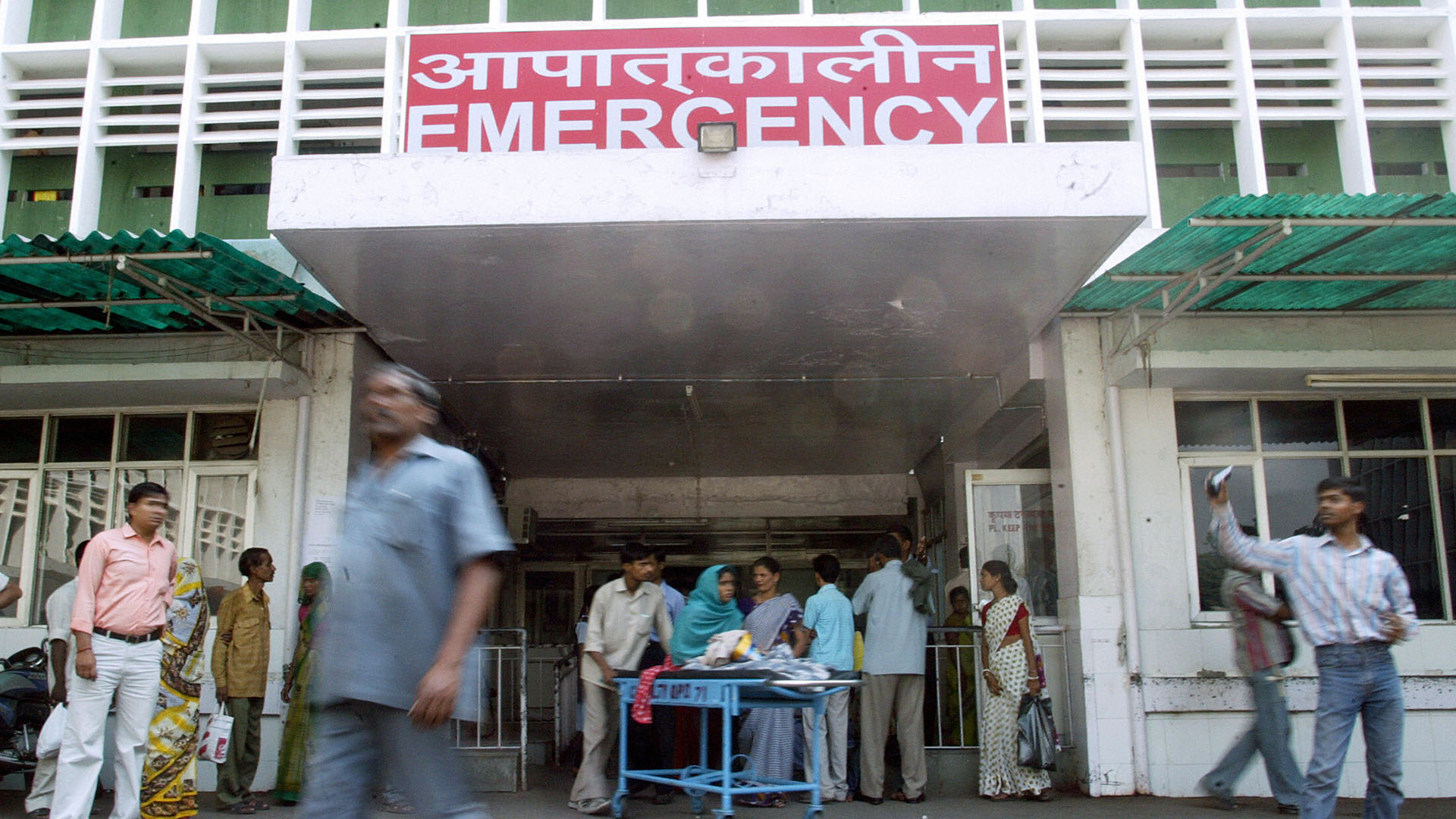
Reporting focused on a case in 2024 when police in New Delhi arrested 12 men for allegedly stealing empty Keytruda vials from hospitals and pharmacies and refilling them with antifungal medicine. The men then allegedly sold the spurious medicines at a fraction of the cost of authentic Keytruda. In India, the drug is unaffordable for most families; the market price for a 100-mg vial of Keytruda is 150,000 rupees, or more than $1,500. The case affected patients beyond India, too. At least one Nepalese woman purchased medicine from one of the accused defendants, ICIJ reported.
Following the arrests, India’s national drug advisory board considered adding cancer drugs to a list of 300 medicines that already have mandatory QR codes or barcodes for tracing. At an August 2024 meeting, “the Board was apprised that in New Delhi where unscrupulous criminals in collusion with hospital pharmacies were found refilling empty vials of expensive anti-cancer medicines with counterfeit drugs,” the meeting minutes read. “These anti-cancer drugs must be issued under strict directives to implement mandatory QR codes and rigorous track and trace mechanisms on every vial and strip of medication that are marketed in India.”
Drugmakers also have to start putting QR codes on vaccines, antimicrobials and narcotics.
The QR codes must include nine datapoints, including the unique identification number of each unit, the manufacturing date, the expiration date, and the name and address of the manufacturer.
An expert told The Indian Express that the system isn’t foolproof: “Sometimes counterfeiters may use the same packaging to beat the system. But even then, it would only work if the fake product is purchased and logged into the system before the genuine product.”
Anonna Dutt (The Indian Express) contributed reporting.