TRANSPARENCY
Merck takes Austria’s Keytruda price transparency battle to top court as journalists fight for information
The case stems from ICIJ’s Cancer Calculus investigation into the world’s best-selling drug’s sky-high price and its global consequences.
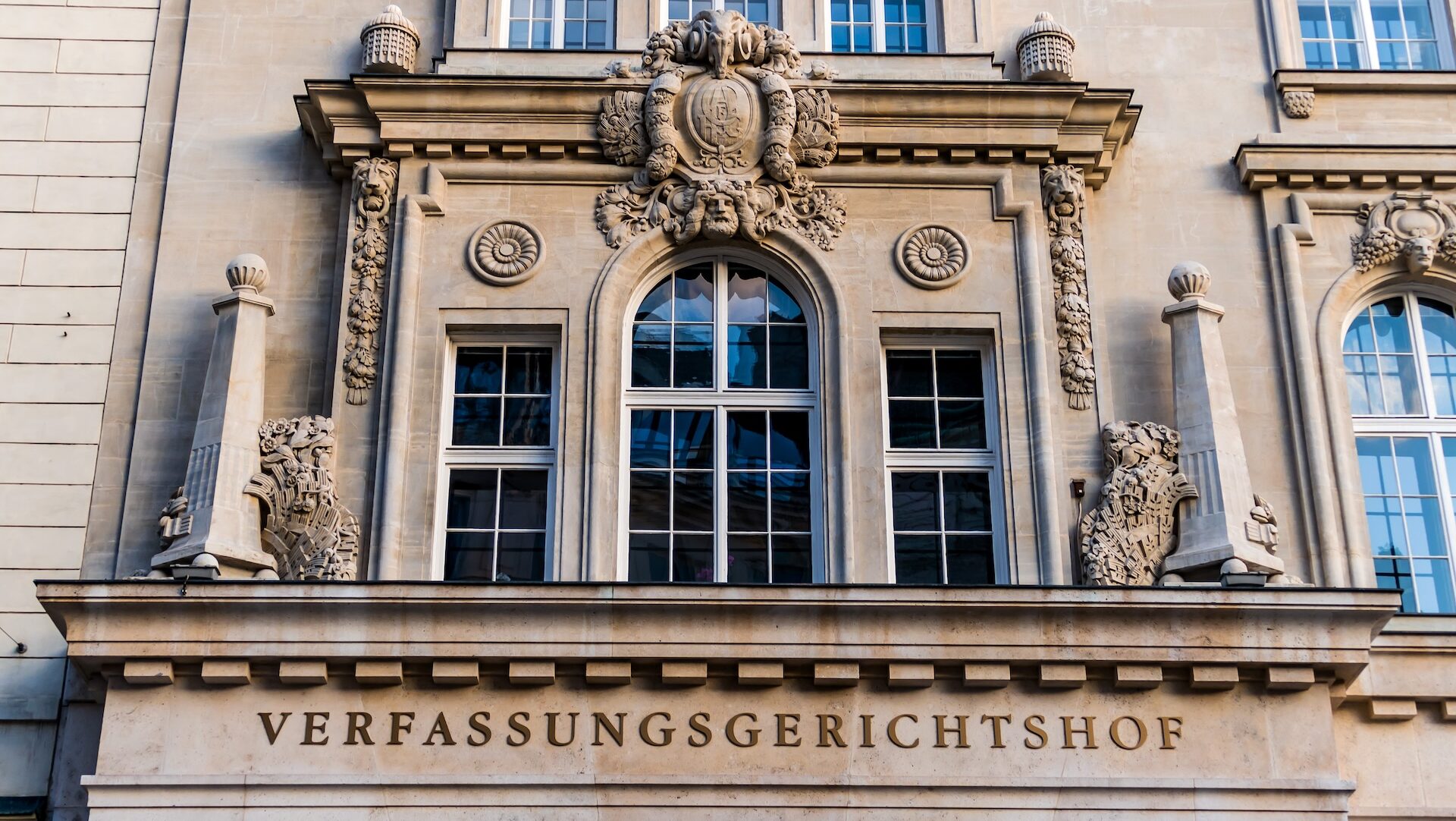
A battle over whether the public has the right to know how much Austria’s public hospitals pay for the blockbuster cancer drug Keytruda is heading to the Constitutional Court.
Pharmaceutical giant Merck & Co.’s Austrian subsidiary is challenging journalists’ efforts to obtain that information in a case likely to test the limits of the country’s freedom of information law, which was enacted in September 2025.
The dispute stems from a freedom-of-information campaign by outlets profil and Der Standard as part of the Cancer Calculus, a global investigative collaboration led by the International Consortium of Investigative Journalists. Reporters from the Austrian outlets found that Keytruda, developed and marketed by Merck, is the country’s largest hospital medication expense, with estimated payments based on its manufacturer’s listed price reaching 245 million euros in 2024 and more than 900 million euros from 2020 to 2024.
But confidentiality clauses between hospitals and Merck — known as MSD outside the U.S. — mean that even the federal health authority does not know the actual prices hospitals pay after negotiations.
While health authorities in several countries cited confidentiality protections to withhold pricing data during the Cancer Calculus reporting, so far it’s been the denials in Austria that have led to a court battle over transparency.
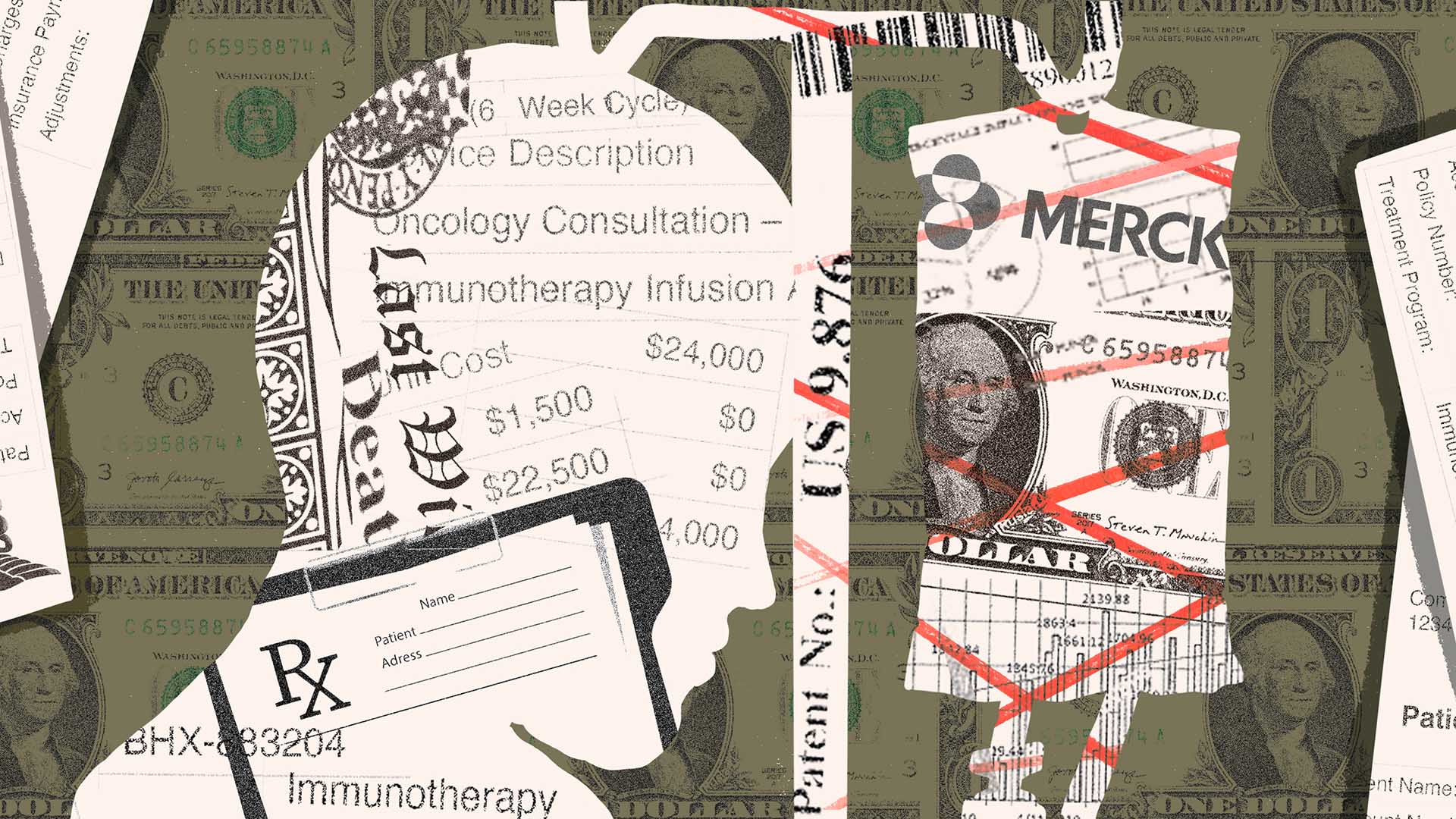

Journalists first set out to obtain pricing and other information in late 2025, taking advantage of the country’s newly enacted transparency law, which replaced a century-old constitutional rule that generally kept government records secret and was notoriously difficult to challenge.
ICIJ’s partners asked how much hospitals run by all nine federal states actually pay for Keytruda after discounts, if any, and how much hospitals spend on the drug annually. Some hospitals provided partial information, but none disclosed the actual price they pay for the drug. This spring, the journalists challenged the denials in regional administrative courts across the country.
In May, profil and Der Standard reporters traveled the length of the country, arguing, without legal representation, in front of judges that information regarding procurement and the cost of Keytruda is in the public’s interest. In turn, Merck argued that revealing Keytruda’s net price would expose trade secrets, give rivals an “informational advantage,” and harm its competitive position, according to a court order.
Its lawyers also claimed that disclosure could trigger price increases amid the Trump administration’s “Most Favored Nation Drug Pricing” policy to match U.S. drug prices with lower prices paid in other countries. Merck has sought to join the proceedings as a formal party along with the hospital operators and the journalists, and challenged parts of the transparency law.
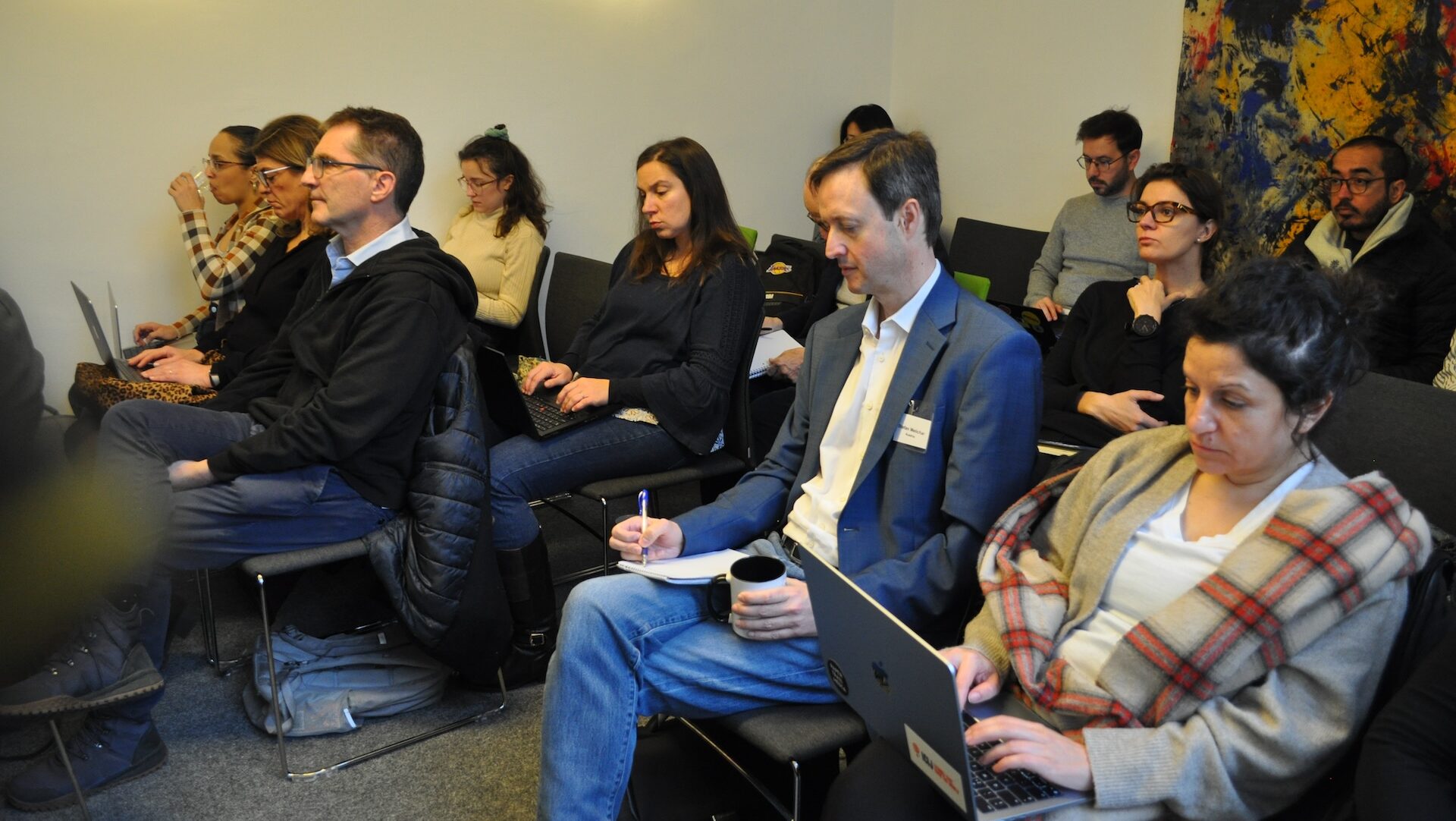
“This is a hugely untested territory,” profil reporter and ICIJ member Stefan Melichar told ICIJ. “Nevertheless, for us it is clear that information on big public procurement cases, like those regarding Keytruda, is of paramount public interest.”
For their part, some hospital operators have told the courts that releasing information about negotiated prices would violate contractual confidentiality and could weaken their bargaining position with drug manufacturers, potentially leading to higher costs for hospitals in the future.
Merck, headquartered in New Jersey, and its Austria subsidiary, Merck Sharp & Dohme Gesellschaft m.b.H, did not respond to ICIJ’s requests for comments for this story.
In June, administrative courts started issuing case decisions — with mixed results. Courts in the states of Tyrol and Burgenland sided with the journalists and ordered hospitals to release the pricing information, while other courts rejected or limited the requests. Before the Tyrol ruling could take effect, Merck appealed to Austria’s Constitutional Court.
Among its arguments, Merck said that parts of the transparency law violate constitutional rights, challenging rules that prevent private companies from becoming a party in freedom of information cases and allow journalists’ requests to remain confidential from them. The company is seeking to recover legal costs from the administrative courts or the journalists if it wins.
The Constitutional Court is now expected to decide what role companies like Merck can play in such cases. It might also decide whether the pricing information should be released — or refer this question to another court.
Michael Borsky, the lawyer now representing the reporters because legal representation is mandatory before the highest courts in Austria, warned of a potential “chilling effect,” telling profil that journalists should not be discouraged from using the new transparency law by unpredictable legal hurdles and risks.
As part of the Cancer Calculus investigation, ICIJ and partners filed more than 1,000 public records requests across 27 countries to uncover, in part, what health systems pay for Keytruda. Reporters found the drug’s real price is often concealed by confidential rebate agreements with Merck, which results in published list prices seldom reflecting what health systems ultimately pay — a practice common in the pharmaceutical industry. That secrecy weakens governments’ negotiating power and limits public accountability for billions in drug spending, experts and advocates say.
The investigation also found that Merck’s list prices, or the initial pre-discount prices, vary wildly across countries, ranging from about $850 for a single 100 milligram vial in Indonesia to $6,015 for the same vial in the U.S.
In Austria, Keytruda costs 6,800 euros per standard 200 milligram dose (equivalent to about $8,000) without discounts, profil, Paper Trail Media and Der Standard found. The revelation prompted a parliamentary inquiry in the state of Vorarlberg in April. At the time, lawmakers called the lack of price transparency “unacceptable.”
While Der Standard and profil recently reported that further appeals are expected as the remainder of freedom of information cases proceed, the situation highlights a broader challenge in drug pricing. Sabine Vogler, a pharmaceutical pricing expert at Austria’s national public health institute, Gesundheit Österreich GmbH, told Der Standard that confidential discounts leave governments negotiating medicine prices “blindfolded” because they cannot see what other buyers are paying.