The secret documents came to the International Consortium of Investigative Journalists via a chain of exiled Uighurs. Their authenticity was confirmed by several leading experts, including James Mulvenon, vice-president of Defense Group Inc, Adrian Zenz, a senior fellow in China studies at the Victims of Communism Memorial Foundation in Washington, D.C. and several intelligence sources who cannot be identified.
There is also a key signature on the documents: Zhu Hailun, head of Xinjiang’s Political and Legal CommissionA key signature. Two people our sources spoke to say they have seen Zhu’s signature and are certain it is his signature and handwriting. They have provided convincing explanations of how they encountered signatures.
Telegram
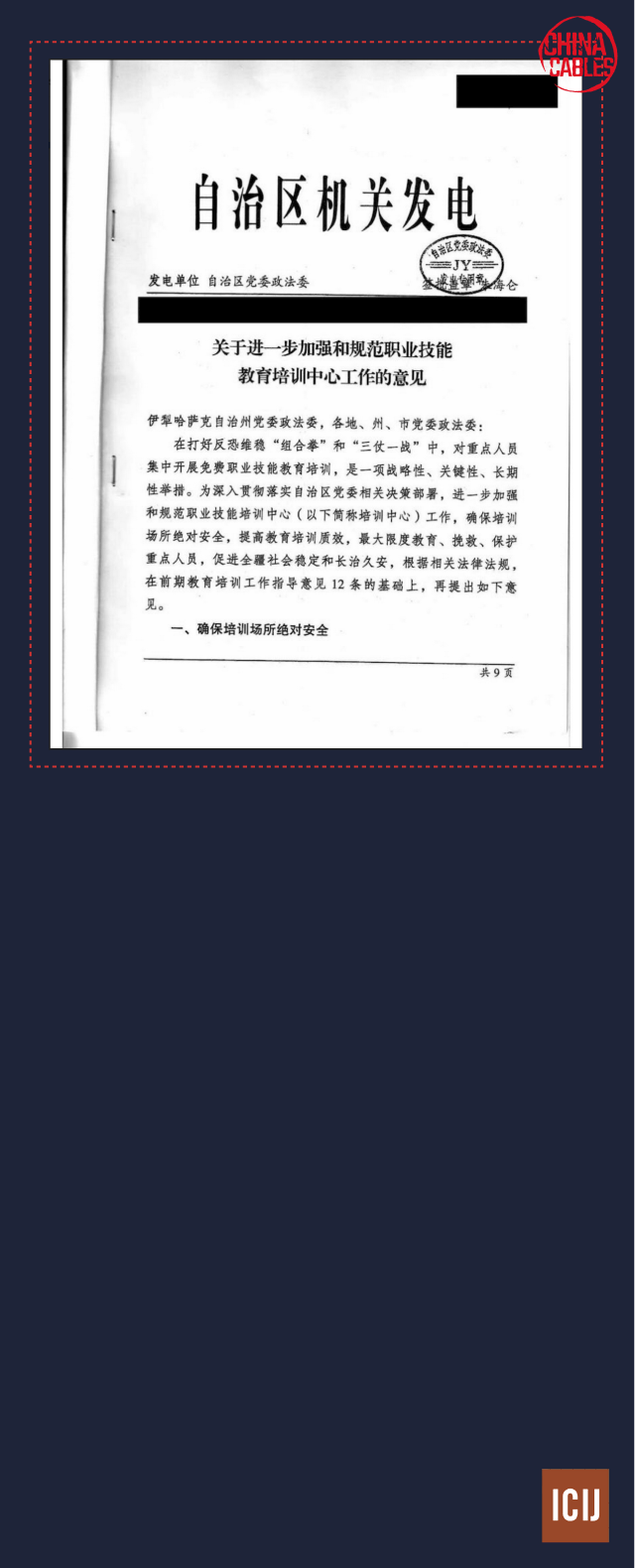
This telegram is from the Communist Party commission in charge of Xinjiang’s security apparatus. The telegram, written in Chinese, is an operations manual for running the mass detention camps. It is marked “secret” and was approved by Zhu Hailun, then deputy secretary of Xinjiang’s Communist Party and the region’s top security official.
Telegram
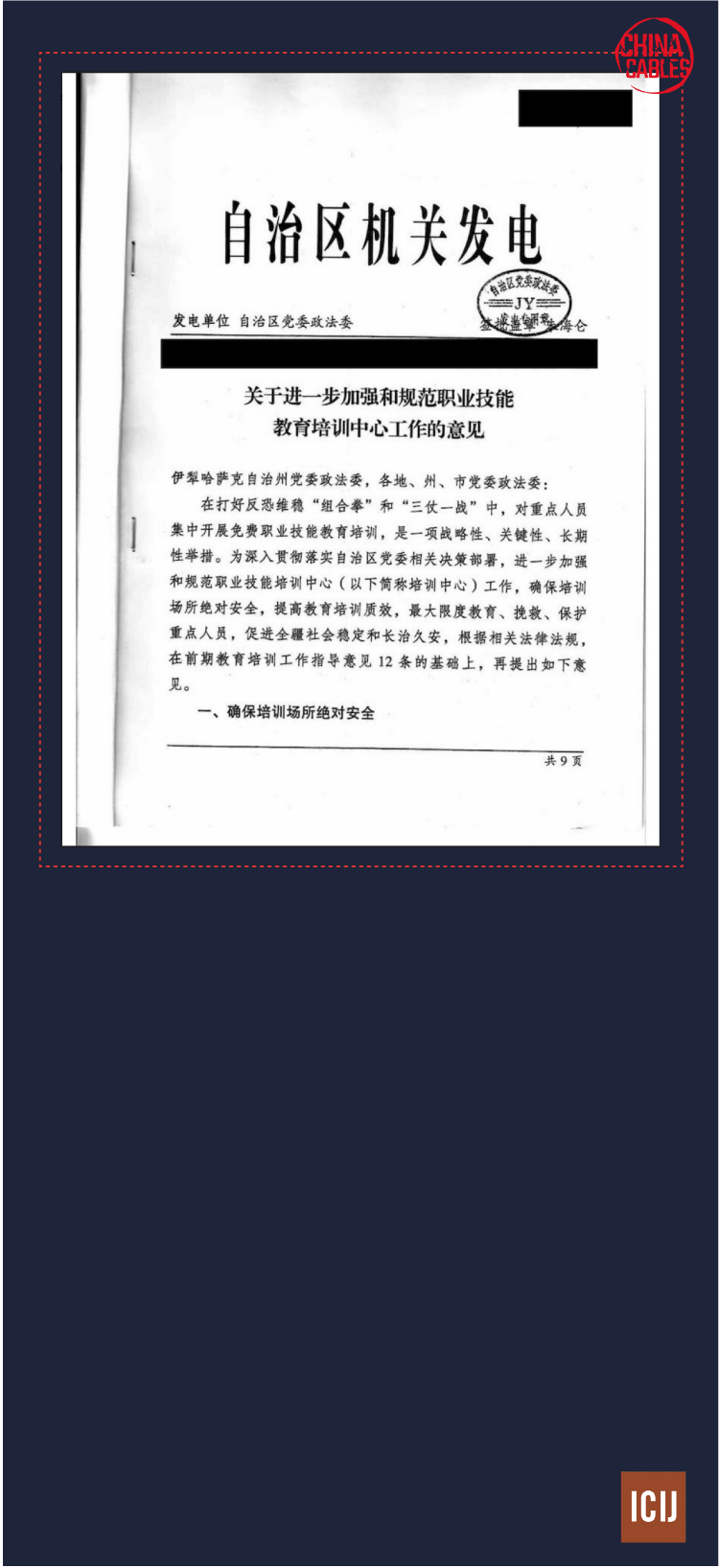
This telegram is from the Communist Party commission in charge of Xinjiang’s security apparatus. The telegram, written in Chinese, is an operations manual for running the mass detention camps. It is marked “secret” and was approved by Zhu Hailun, then deputy secretary of Xinjiang’s Communist Party and the region’s top security official.
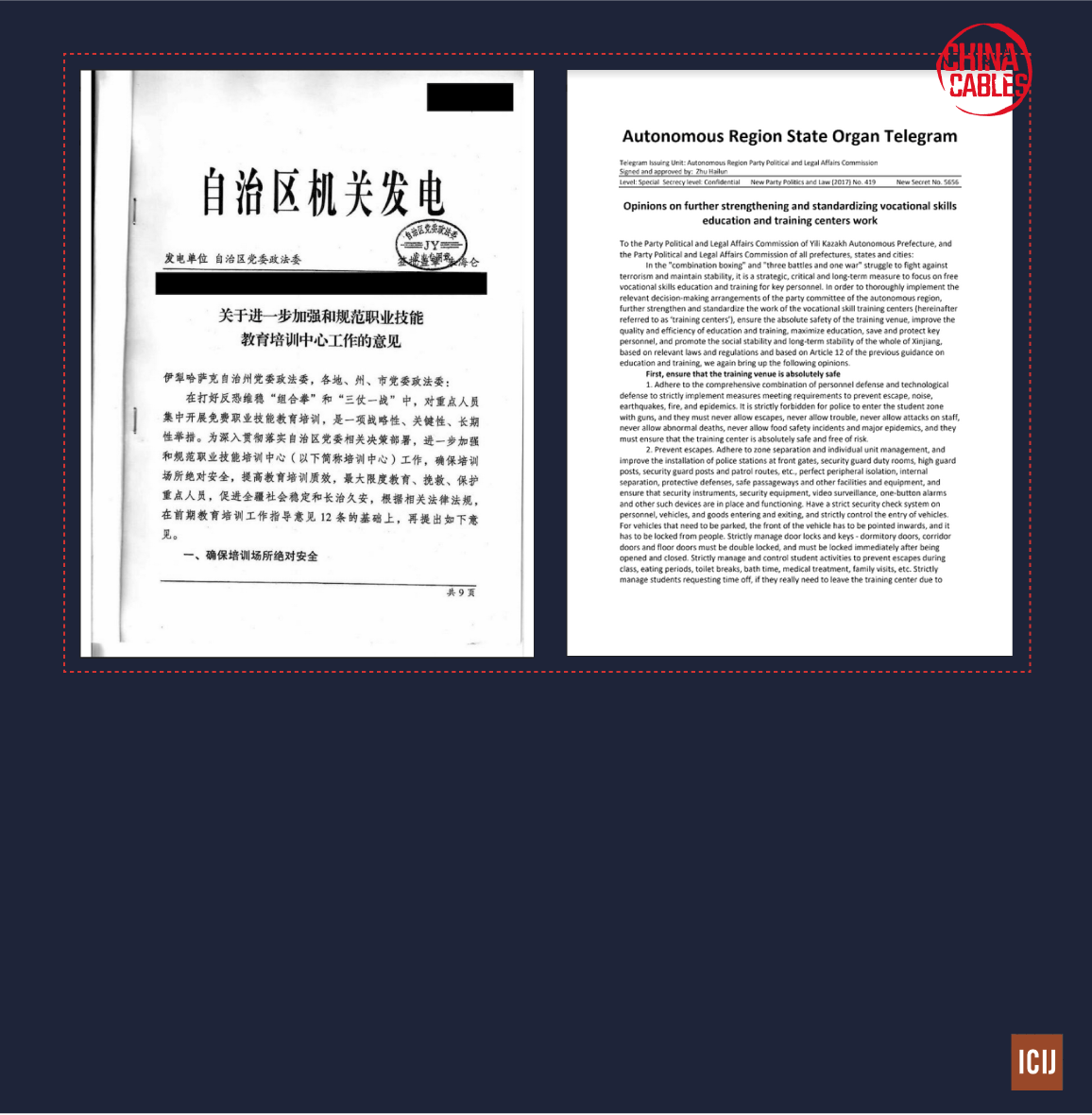
Telegram
This telegram is from the Communist Party commission in charge of Xinjiang’s security apparatus. The telegram, written in Chinese, is an operations manual for running the mass detention camps. It is marked “secret” and was approved by Zhu Hailun, then deputy secretary of Xinjiang’s Communist Party and the region’s top security official.
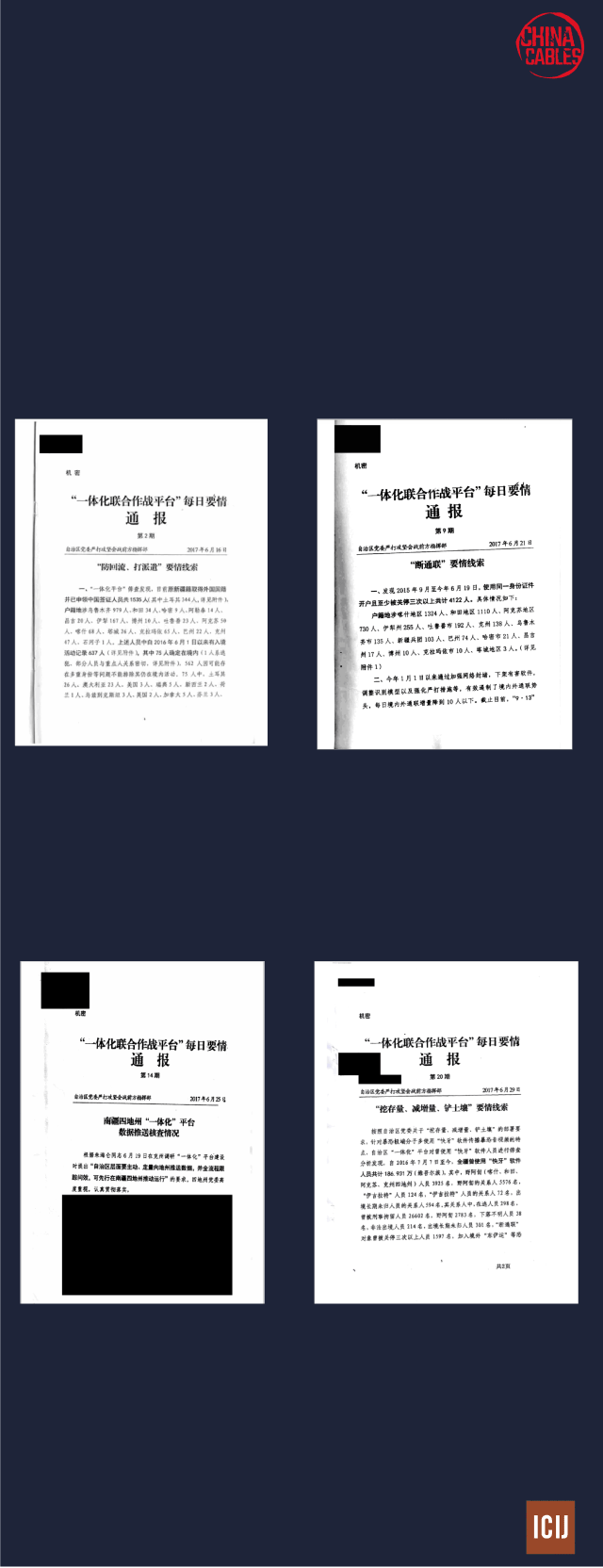
Four “bulletins”
These four “bulletins,” written in Chinese, are secret government intelligence briefings from the Integrated Joint Operation Platform, a centralized data collection system. The bulletins – for the first time – lay out the connection between mass surveillance and the Xinjiang camps.
Bulletin #2
Bulletin #9
Bulletin #14
Bulletin #20
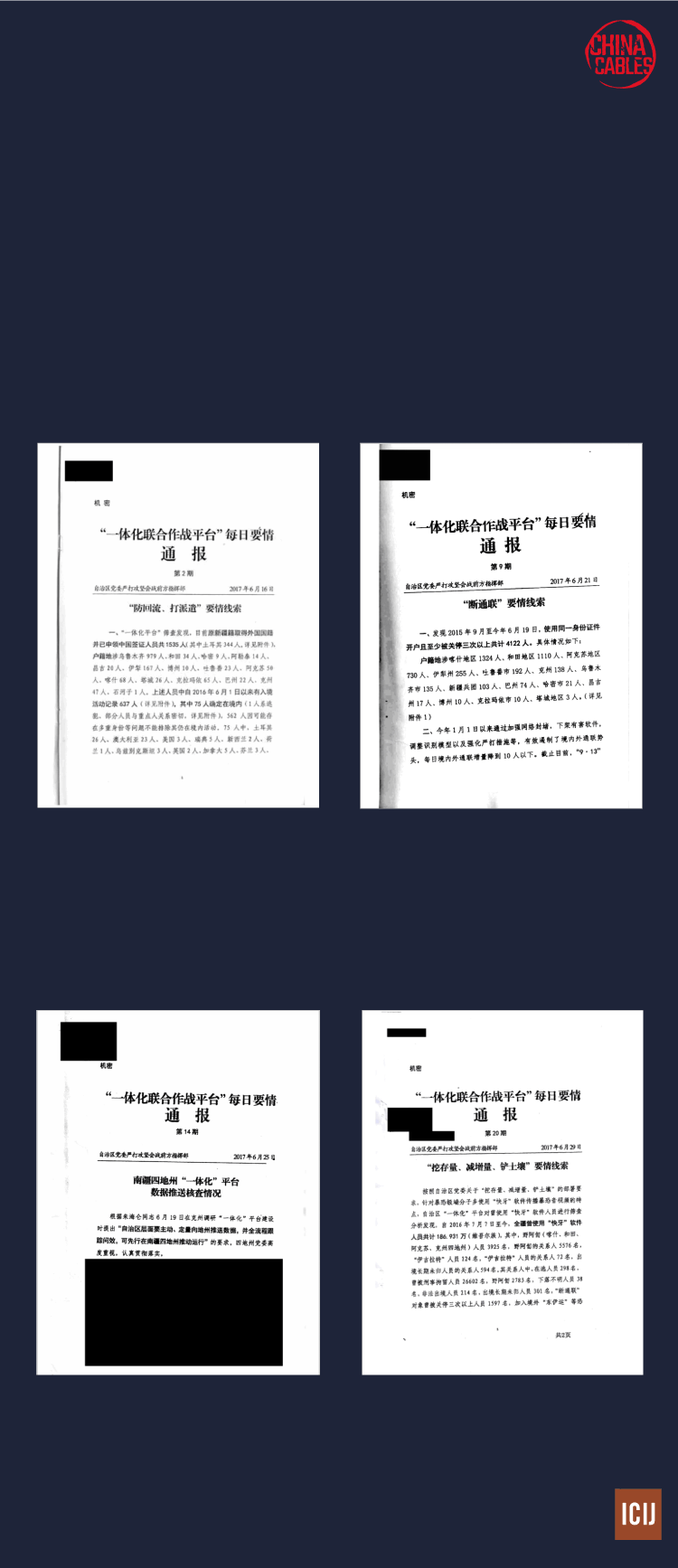
Four “bulletins”
These four “bulletins,” written in Chinese, are secret government intelligence briefings from the Integrated Joint Operation Platform, a centralized data collection system. The bulletins – for the first time – lay out the connection between mass surveillance and the Xinjiang camps.
Bulletin #2
Bulletin #9
Bulletin #14
Bulletin #20
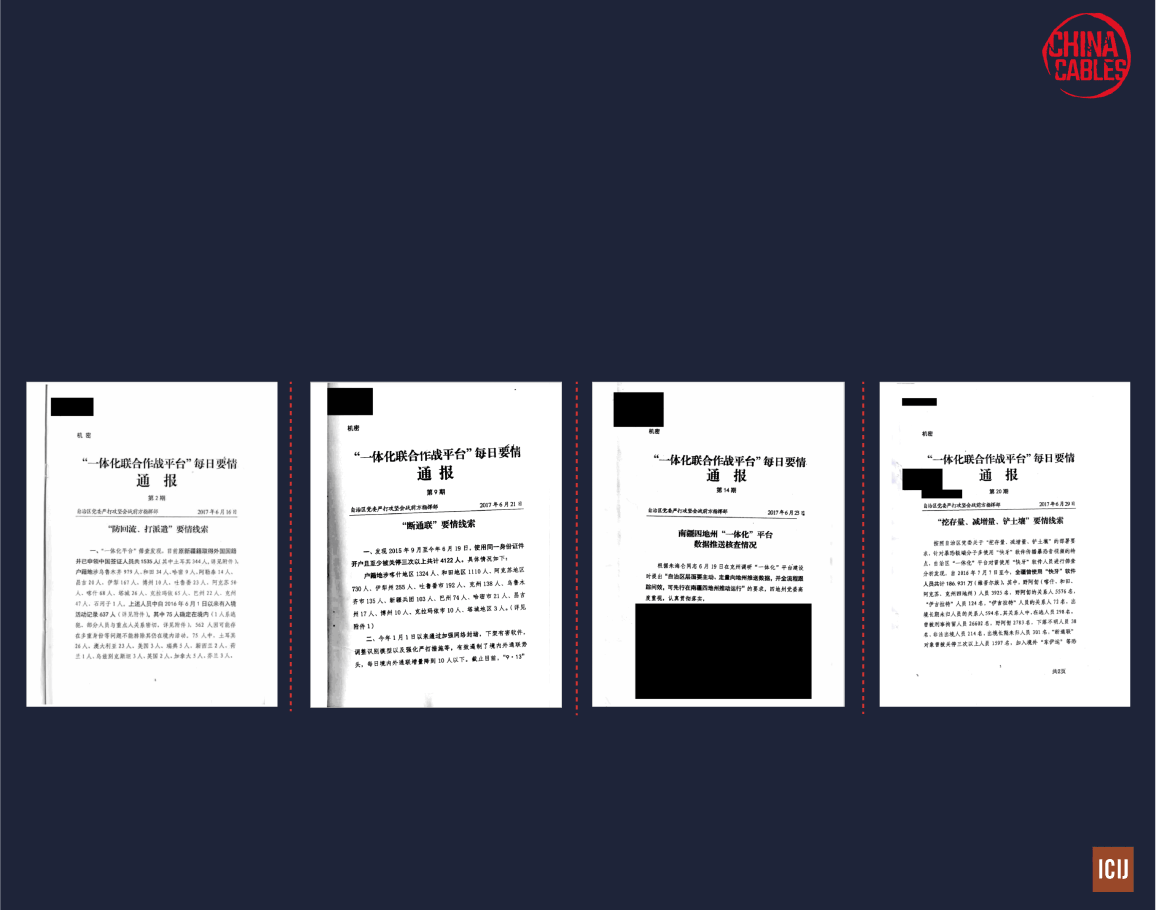
Four “bulletins”
These four “bulletins,” written in Chinese, are secret government intelligence briefings from the Integrated Joint Operation Platform, a centralized data collection system. The bulletins – for the first time – lay out the connection between mass surveillance and the Xinjiang camps.
Bulletin #2
Bulletin #9
Bulletin #14
Bulletin #20
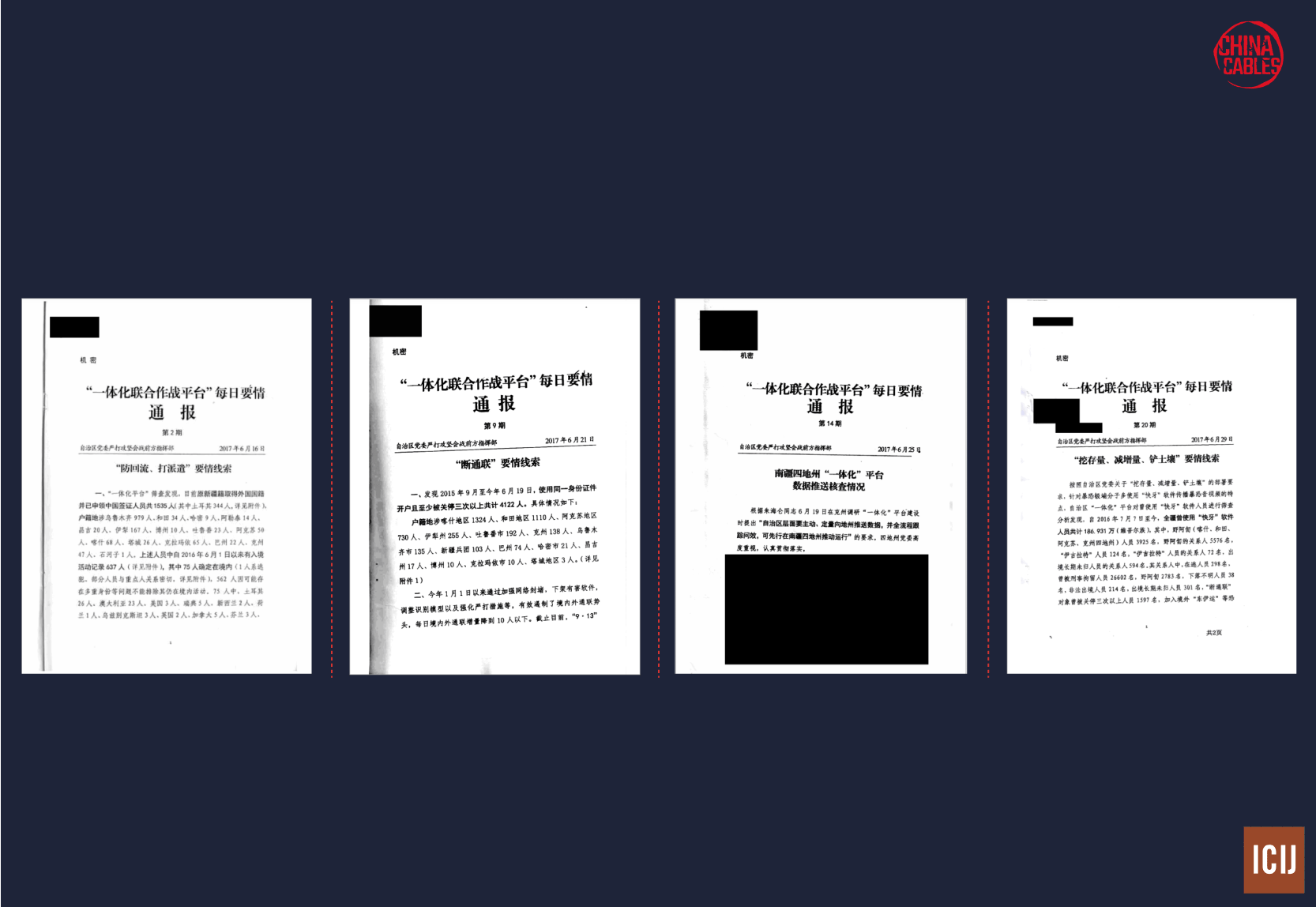
Four “bulletins”
These four “bulletins,” written in Chinese, are secret government intelligence briefings from the Integrated Joint Operation Platform, a centralized data collection system. The bulletins – for the first time – lay out the connection between mass surveillance and the Xinjiang camps.
Bulletin #2
Bulletin #9
Bulletin #14
Bulletin #20
Court Document
This sentencing document is from a regional criminal court and describes the sentencing of a Uighur man to 10 years for such ideological “crimes” as telling co-workers “not to say dirty words” or watch pornography — lest they would become “non-believers.” It is written in the Uighur language and is not classified, but is a type of document rarely seen.
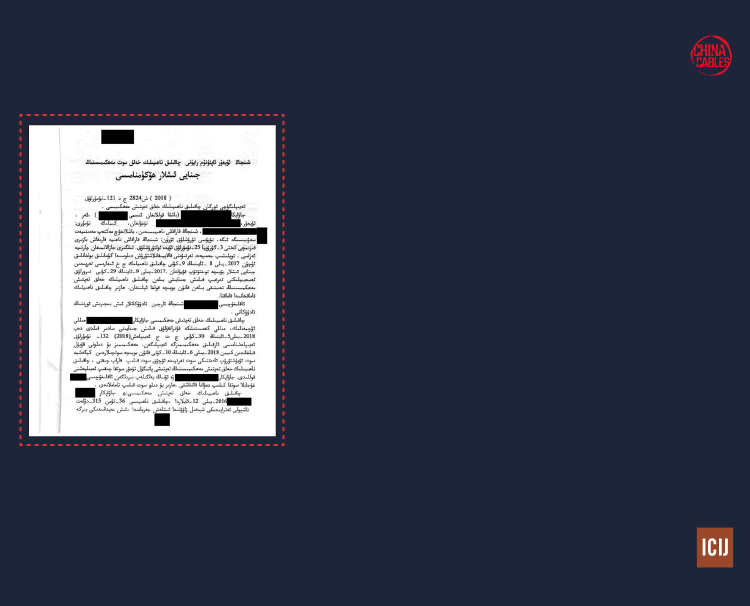
Court Document
This sentencing document is from a regional criminal court and describes the sentencing of a Uighur man to 10 years for such ideological “crimes” as telling co-workers “not to say dirty words” or watch pornography — lest they would become “non-believers.” It is written in the Uighur language and is not classified, but is a type of document rarely seen.
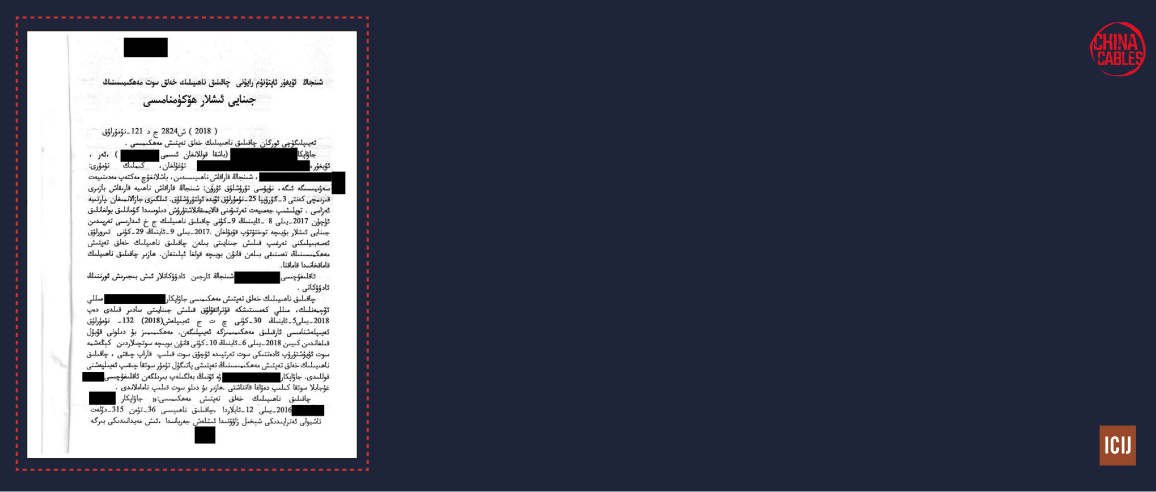
Court Document
This sentencing document is from a regional criminal court and describes the sentencing of a Uighur man to 10 years for such ideological “crimes” as telling co-workers “not to say dirty words” or watch pornography — lest they would become “non-believers.” It is written in the Uighur language and is not classified, but is a type of document rarely seen.
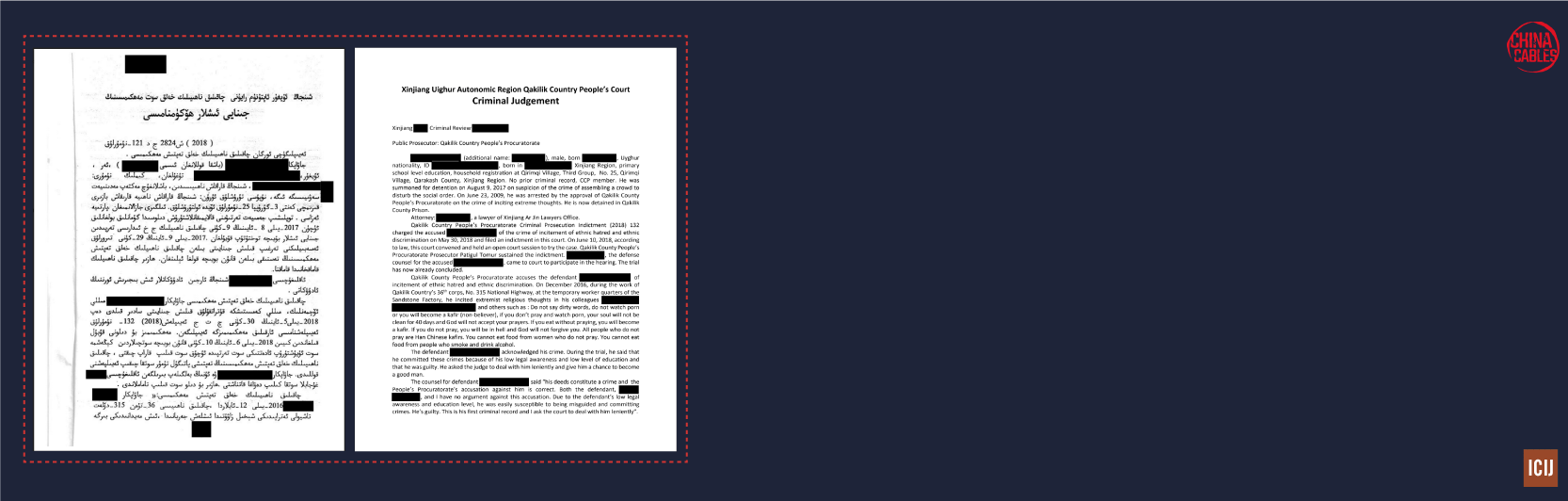
Court Document
This sentencing document is from a regional criminal court and describes the sentencing of a Uighur man to 10 years for such ideological “crimes” as telling co-workers “not to say dirty words” or watch pornography — lest they would become “non-believers.” It is written in the Uighur language and is not classified, but is a type of document rarely seen.