PANAMA
Panama removed from EU’s tax haven ‘blacklist’ a decade after the Panama Papers
Ten years after ICIJ’s investigation exposed the country as a corporate haven, regulations and checks have been put in place to deal with the reputational damage.
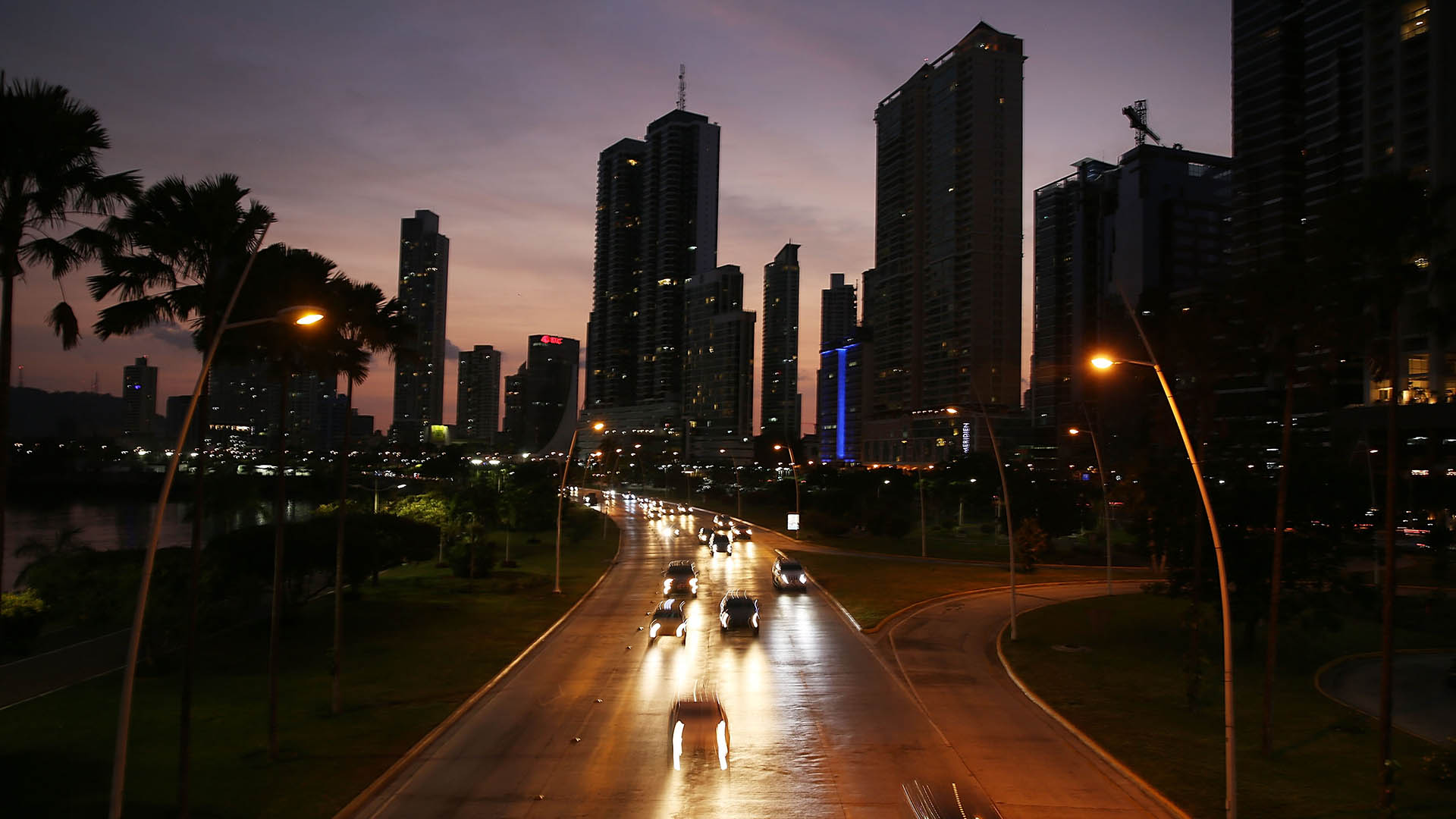
The European Union has removed Panama from its tax haven “blacklist” in a move acknowledging corporate and tax transparency reforms made by a country infamously synonymous with offshore financial secrecy.
The update to the EU’s list of non-cooperative jurisdictions for tax purposes was made by EU Finance Ministers last week, and comes a decade after Panama dealt with the fallout from the Panama Papers, an investigation led by the International Consortium of Investigative Journalists and German newspaper Süddeutsche Zeitung into 11.5 million financial and legal records. The investigation exposed how a single Panama-based law firm registered 214,000 shell companies in over 200 countries, enabling companies and people to hide wealth and transactions.
“The Panama Papers revelations exposed weaknesses in the global financial system, with a particular focus on Panama and the lax regulations regarding transparency that were in place there at the time,” said Luis Moreno, an economist with the Global Alliance for Tax Justice and International Taxation Director at Latindadd.
“After the Panama Papers, Panama addressed various recommendations — including those from the OECD regarding tax transparency — which is precisely why it has now been removed from the ‘blacklist,'” Moreno added.
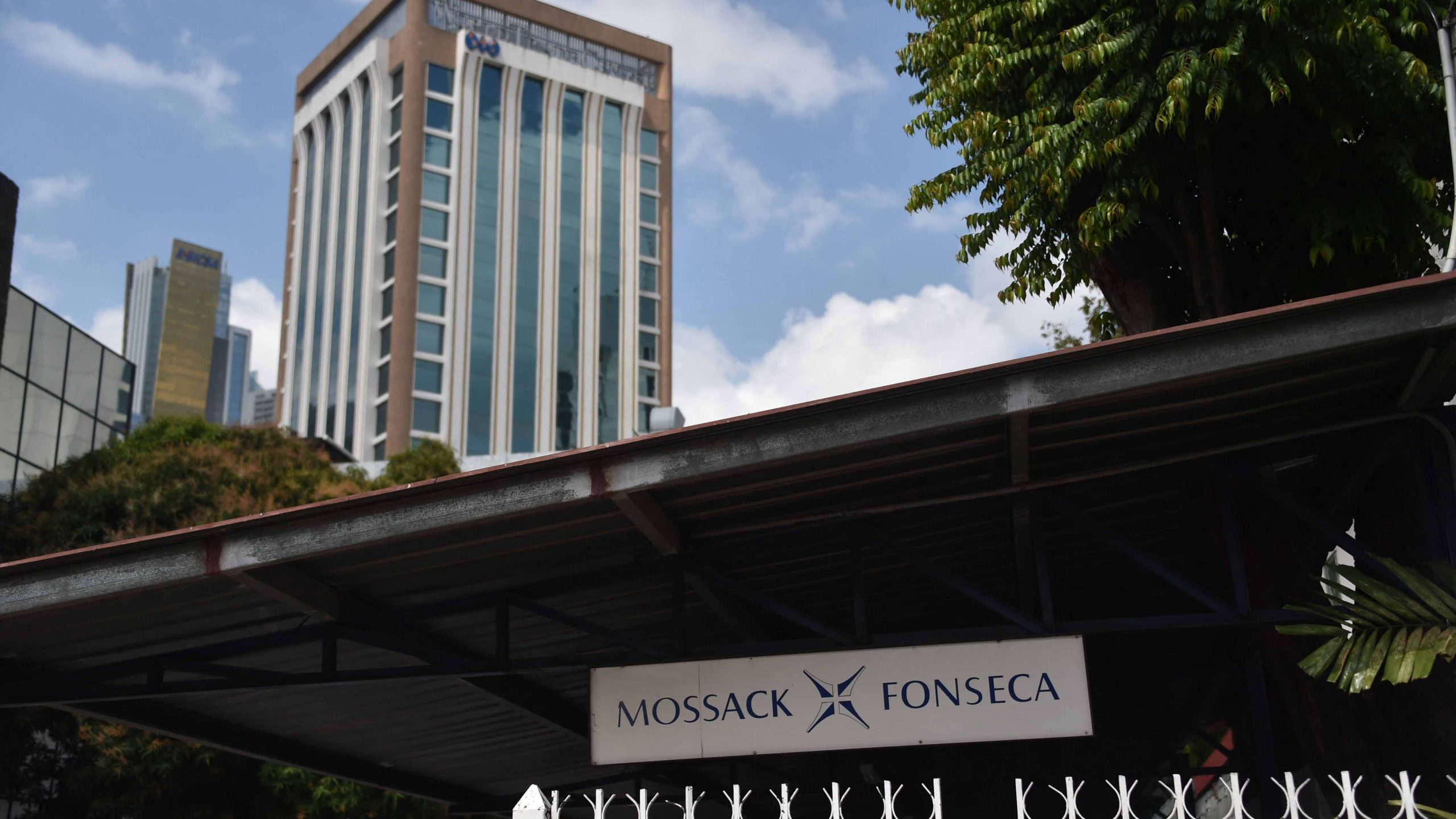

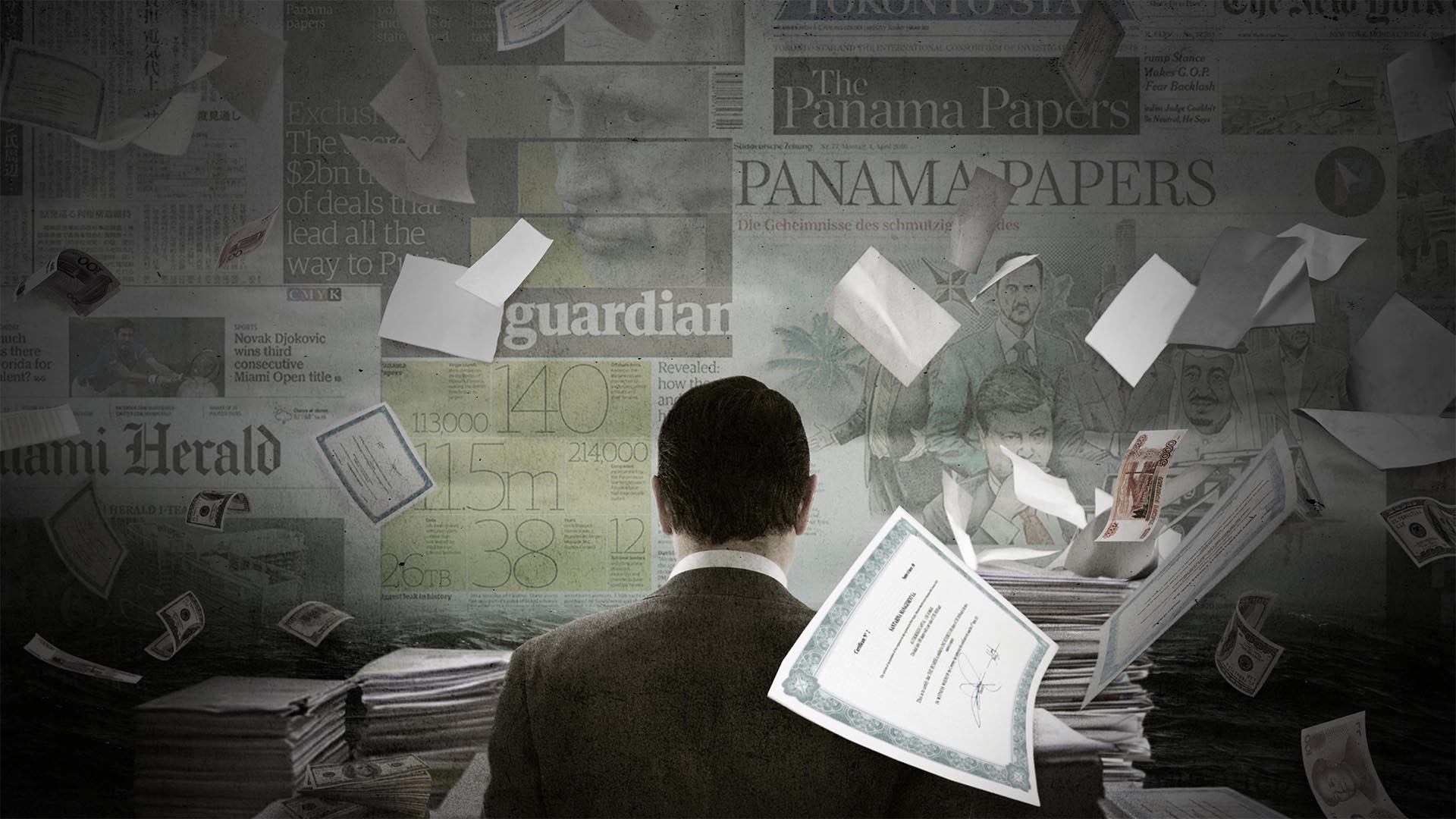
Following publication of ICIJ’s investigation in 2016, the Organization for Economic Cooperation and Development called Panama “the last major holdout that continues to allow funds to be hidden offshore from tax and law enforcement authorities.” An OECD review recommended that Panama adopt international tax reporting standards, join multilateral exchange agreements and improve company ownership records.
Panama was included on the EU’s first tax haven blacklist, which was implemented in December 2017 as a response to the Panama Papers investigation. But the Latin American country was removed just one month later, and instead put on a “grey” list, prompting backlash from transparency advocates.
In 2019, Panama voted to make tax evasion a crime. Still, in 2020, the EU put the country back on its blacklist, claiming the country had failed to implement promised transparency reforms. Shortly after, the Panama government created a registry of beneficial owners that requires disclosure of the people controlling every company.
More recently in May, Panama’s Congress approved a bill known as the Economic Substance Law, which applies to companies belonging to a multinational group. Such companies must show they have “substance” including staff, facilities and strategic decision-making in the country. Failure to show this results in a 15% tax rate on the company’s income.
The country celebrated last week’s announcement of its removal from the blacklist, with president José Raúl Mulino proclaiming in a social media post that the country was now “opening the door to new investments.”
But Carlos Barsallo, a lawyer and former president of Transparency International’s Panama chapter, flagged new challenges for regulating the financial industry and said Panama must be “careful not to end up back on the list.”
“What are the areas of concern that could lead to that? These are now global issues. Panama is not alone in this: virtual assets and everything related to the ‘crypto-economy,’” Barsallo said.
“Simply passing a law is not enough, there must be a mechanism in place to combat fraud involving these new virtual assets.”