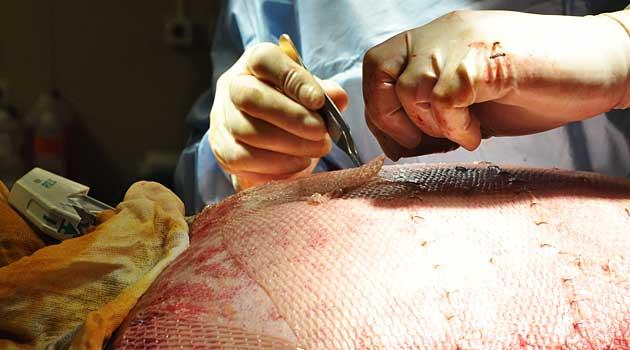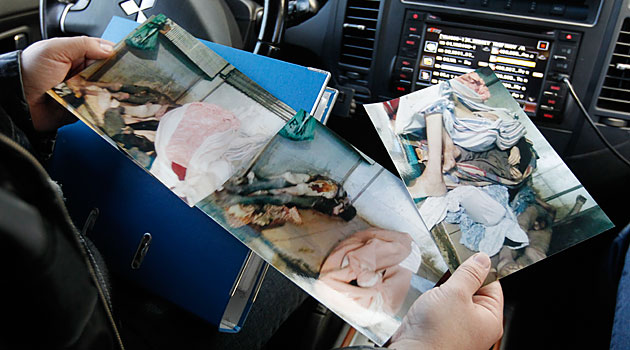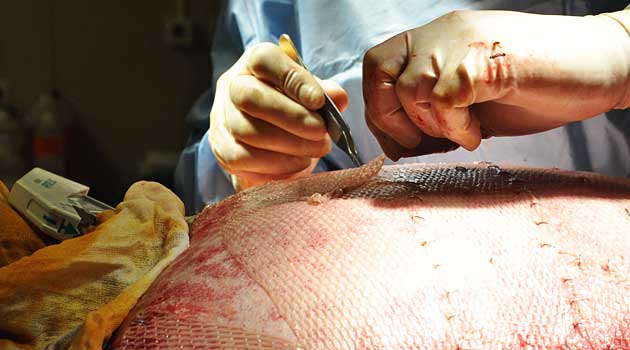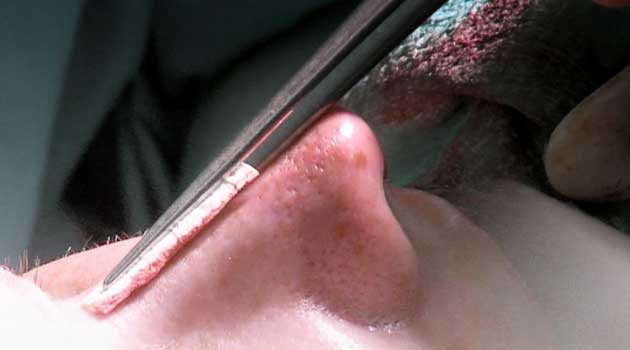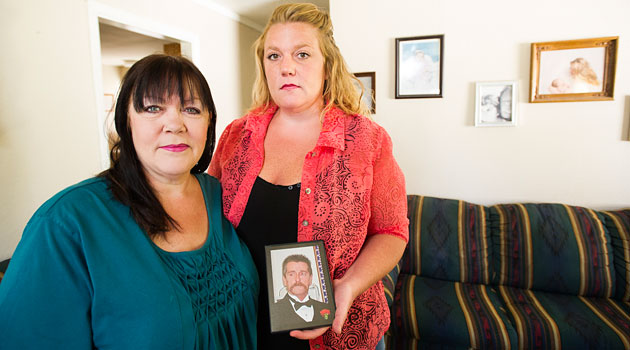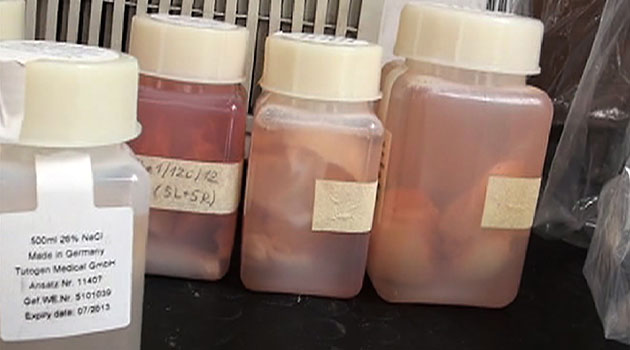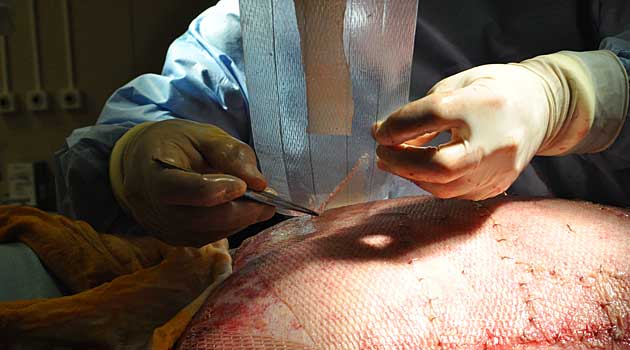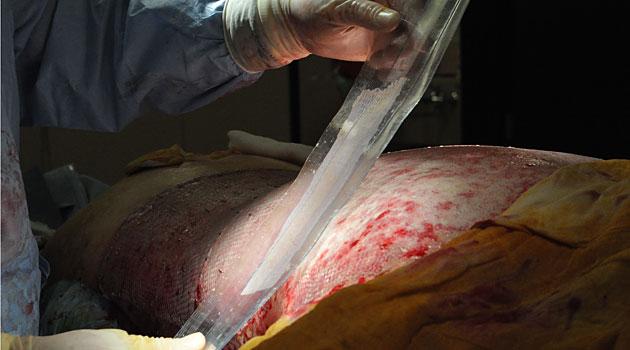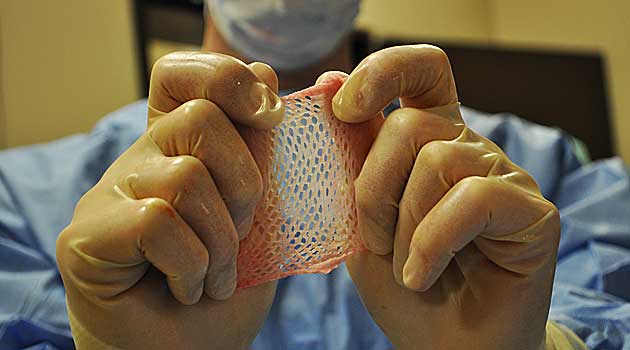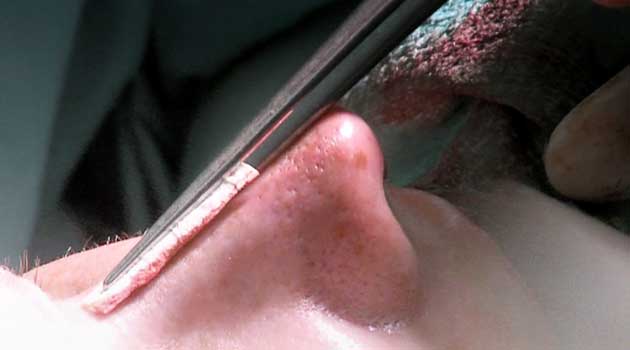
Skin And Bone: The Shadowy Trade In Human Body Parts is an eight-month project across 11 countries. The investigation relied on more than 200 interviews with industry insiders, government officials, surgeons, lawyers, ethicists and convicted felons, as well as thousands of court documents, regulatory reports, criminal investigation findings, corporate records and internal company memos.
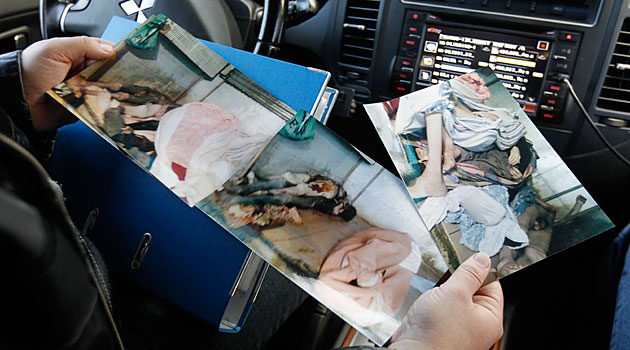
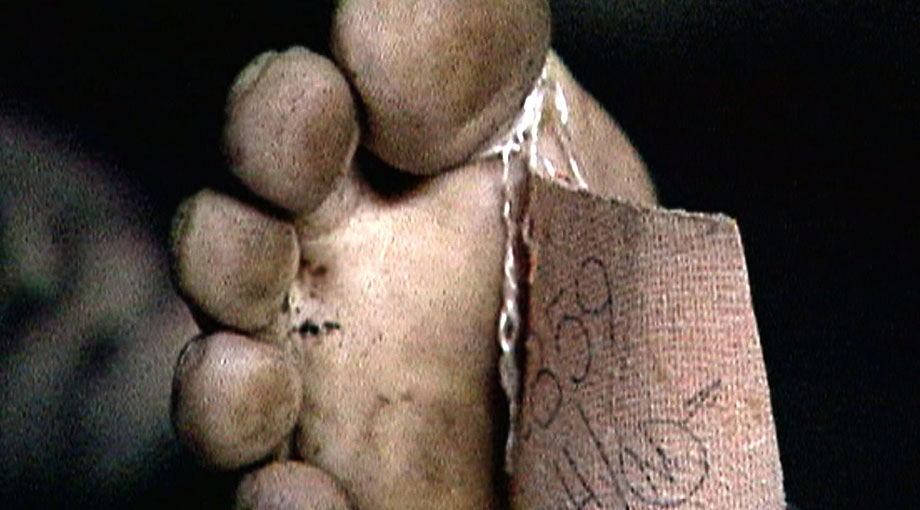
Read MoreParts from fifty-six human corpses were improperly fed into the international tissue market from a state-run Ukrainian morgue, according to prosecutors who have filed criminal charges against five of the morgue’s employees.
IMPACT: Ukrainian authorities will press charges against a morgue official who is alleged to have illegally recovered human tissue from a corpse intended for the international market.
One of the biggest players in the global trade in human tissue has suspended its partnership with suppliers in Ukraine, where authorities have carried out multiple investigations over allegations of illegal tissue recovery.
The Pentagon announces a new program to better oversee human cadaver tissue used in Defense Department hospitals, as Congressional investigators look into contracts with RTI Biologics, a Florida-based manufacturer of medical implants made from human bones, skin, ligaments and other tissues, following ICIJ’s investigation.
The World Health Organization plans to create a coding system to track human tissue traded for transplants and ingredients in drugs to secure safety and prevent illegal collection, a source told The Asahi Shimbun.
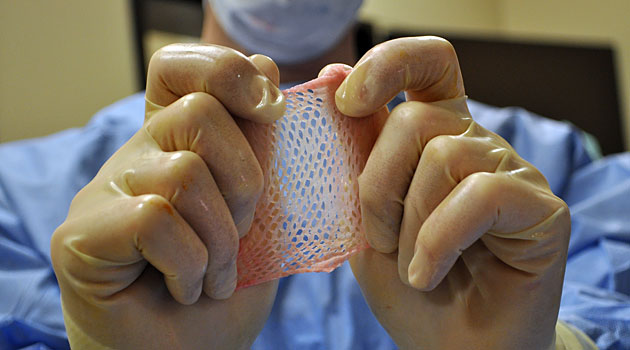
PART FOUR: In the brave new world of tissue harvesting, the dead’s bones, skin, tendons and heart valves can be cut out and used to create medical devices that can be sold for profit around the world.
PART THREE: Poor accountability and inadequate safeguards prompt concerns among medical experts that products made from tissues taken from the dead could spread disease to the living.
PART TWO: Police in Hungary, Ukraine and the U.S. allege that tissue suppliers stole tissue and committed fraud and forgery in the drive to supply the industry with flesh and bone.
Source: Corporate literature
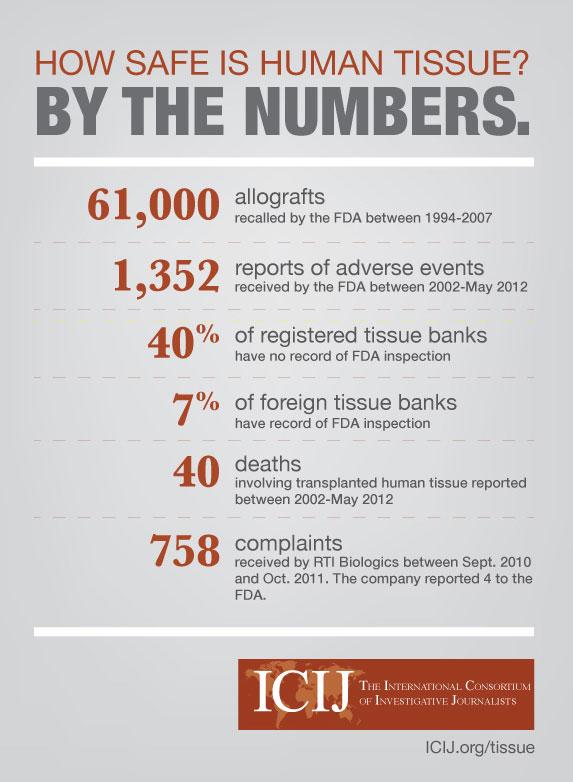
Source: Medical literature and FDA data.
ICIJ used four databases provided by the Food and Drug Administration in its analysis of the tissue banking industry. Those databases include the Human Cell and Tissue Establishment Registration, the Operational and Administrative System for Import Support (OASIS), and data sets on tissue bank inspections and deviations. We also analyzed membership of the American Association of Tissue Banks (AATB).
The business of recycling dead humans into medical implants is a little-known yet lucrative trade. But its practices have roused concerns about…
La industria ha florecido aun cuando sus prácticas han despertado preocupación sobre cómo obtiene los tejidos y qué tan bien informadas están las familias y los pacientes de trasplantes sobre las realidades y riesgos del negocio.
What if I want to donate organs but not tissue? Am I saving lives if I donate my tissue? Should I be concerned about safety if I receive a product manufactured from human tissue?
The International Consortium of Investigative Journalists is a global network of more than 200 investigative journalists in 70 countries who collaborate on in-depth investigative stories.
Learn moreIndependent, fearless investigative journalism is expensive and ICIJ relies on your support.
Help protect global societies from unprecedented threats by supporting independent investigative journalism.