HEALTH CARE
‘Where would I find this amount of money?’: Private hospital patients in Kenya grapple with crushing debt
More than a decade after the World Bank promised to make health care more affordable, high costs for lifesaving treatments impoverish families in East Africa.
When the International Finance Corp. (IFC) first began its investment push in East Africa, the World Bank Group member predicted that the money flowing into private hospitals in the region would make health care more affordable and accessible for everyone, especially the poor. More than 15 years later, there’s scant evidence to support that idea. IFC’s money, channeled through private equity funds, improved the quality of care at hospitals in Kenya and Uganda. But the lifesaving treatments some patients received at those facilities came at an almost unbearable cost: crushing debt for them and their families.
In interviews about a dozen cases, former patients, their family members and friends told ICIJ about their experiences with hospitals run by Avenue Group — a Kenyan health care company backed with IFC money. The interviews revealed the pain and confusion families felt as they had to choose between critical medical care and their financial wellbeing — and the lingering financial consequences of seeking treatment.
In response to detailed questions from ICIJ, Evercare Group, the company that operates Avenue, said in a statement that medical confidentiality prevents it from commenting on individual patients’ cases. However, Evercare said that the descriptions provided by ICIJ “are a misrepresentation of the facts and are inconsistent with our medical records.” Evercare’s hospitals do not “withhold or deny ICU care based on a patient’s ability to pay upfront, especially in emergency or life-threatening situations,” the statement said, and “it is equally not our policy to detain patients.” Avenue, it added, has “robust financial counselling programs to provide flexible payment solutions” and “does not require deposits for emergency care.”
Read about patients’ experiences at Avenue’s main branch in Nairobi’s Parklands neighborhood below.
Ann Ndungu
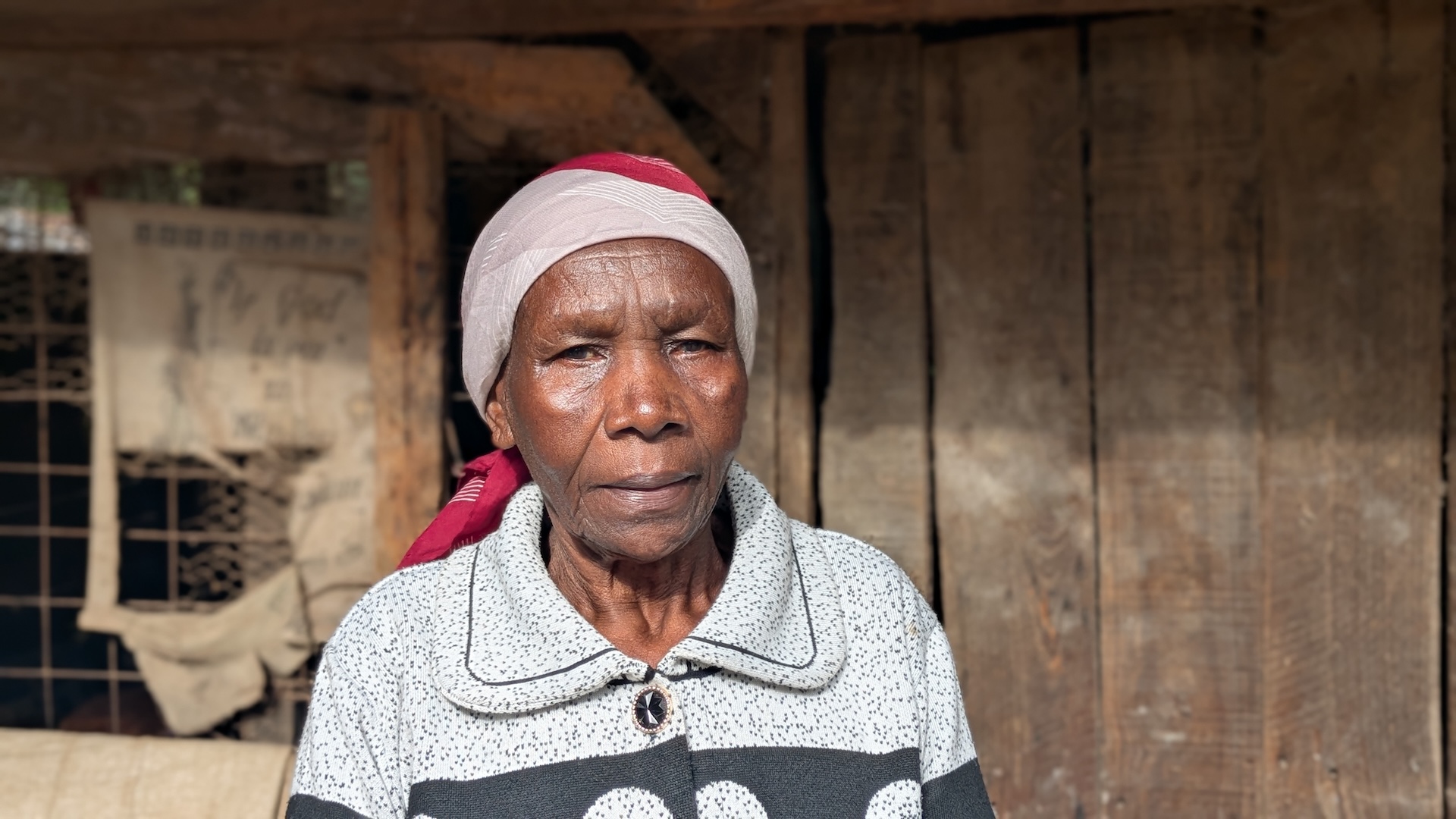
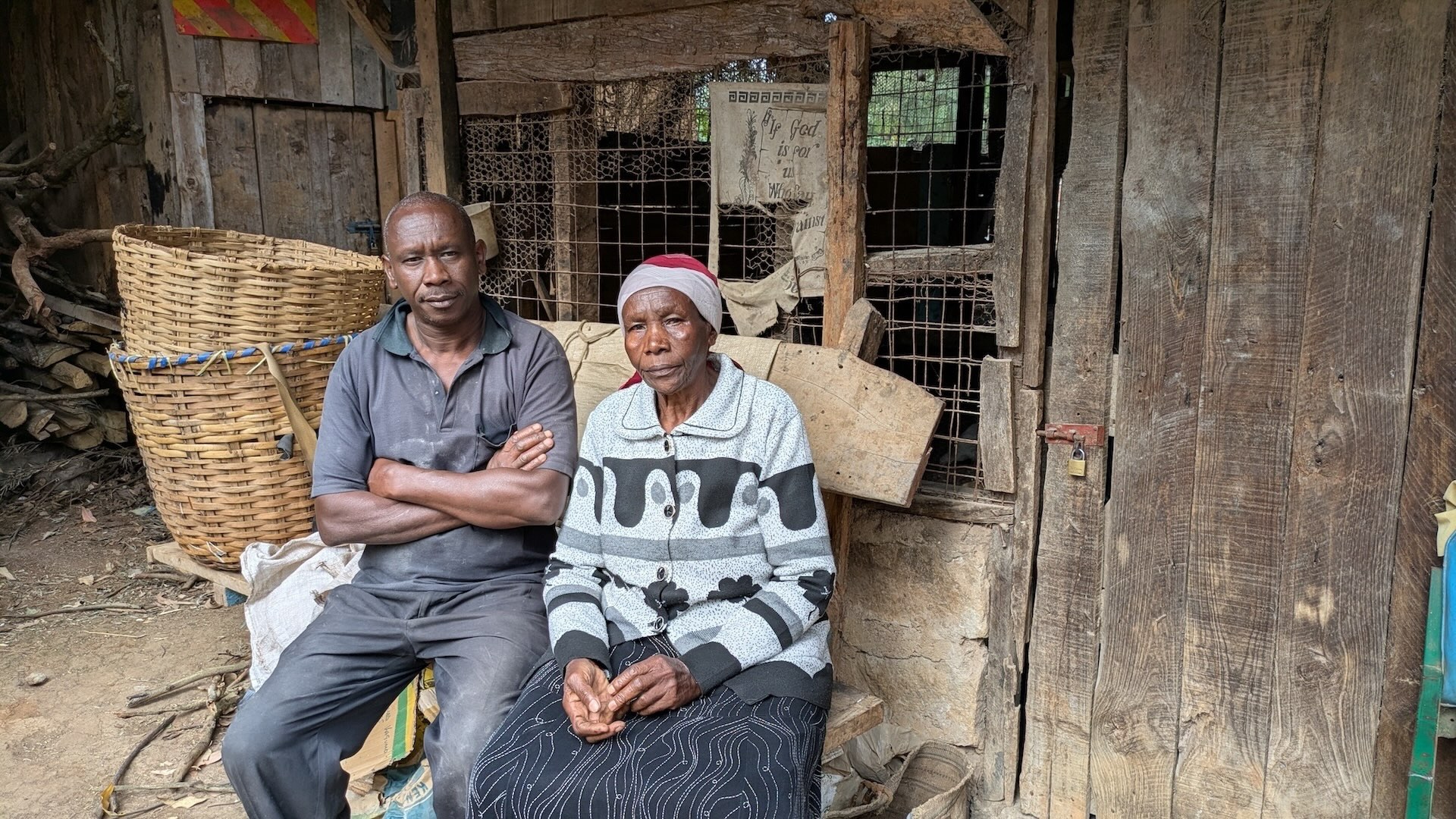
In January 2021, Ann Ndungu was struck with a mysterious ailment. After more than four weeks of treatment she walked out of the Avenue hospital in Parklands, but the enormous bills weighed heavily on her family.
“We had no idea what the problem was,” her daughter Winnie Ndungu said in an interview with ICIJ in Nairobi in March.
The family took Ann — in her early seventies at the time — to a mission hospital run by a religious organization not far from her home in the verdant and hilly tea-growing area around Mount Kenya. But after almost eight days the doctors still couldn’t figure out what ailed her, her daughter said.
Ann urgently needed to go to a bigger hospital. But COVID-19 was rampant and beds were scarce. Winnie’s cousin found one at Avenue, but the hospital required a deposit of 200,000 Kenyan shillings ($1,820 at the time).
Friends and family pooled their funds and Winnie personally made the payment. Ann was admitted, but her condition soon deteriorated. Doctors diagnosed a life-threatening esophageal rupture and told the family that she needed complicated surgery.
The family, which Winnie described as lower-middle income, discussed how to collect about 700,000 shillings ($6,371) for the procedure and other services — the first tranche of what they feared would be mounting costs.
Winnie and her relatives managed to gather 300,000 shillings ($2,730) and continued raising funds on social media and at church. Unlike many people in Kenya, Ann had medical insurance but it didn’t stretch far. Friends and neighbors also pitched in as the family struggled to pay the skyrocketing bills.
They literally tell you: She’s being discharged tomorrow, so do what you have to do to pay that bill so that she’s released.
— Jessee Ndungu, Ann’s son
They eventually raised enough for Ann to have her procedure, and her condition stabilized. Thirty days had elapsed since she was admitted. The total bill was over 2.8 million Kenyan shillings ($25,691). The family offered title deeds and the logbook for Winnie’s vehicle as security for the remaining debt, but the hospital wouldn’t accept them, she said. Instead, Ann waited an extra day at Avenue while the family raced to clear the balance, which it did with the help of a wealthier family member who worked abroad.
“They won’t discharge you without paying,” said Winnie’s brother Jessee Ndungu, during an interview at the family’s rural home. “They literally tell you: She’s being discharged tomorrow, so do what you have to do to pay that bill so that she’s released.”
To help pay the bills, Jessee said he sold a station wagon used for the family’s small-scale tea and coffee farming business.
Winnie said she had to take out 200,000 Kenyan shillings loan ($1,820 at the time), which she paid back, and that the family’s finances are drained. “We have no reserves anymore.”
Jemuel Maingi
When Gabriel Maingi’s newborn son, Jemuel, was transferred to the Avenue hospital in Parklands in July 2024, paying the bill was the last thing on the new father’s mind. Things went smoothly at first, Gabriel said. His son was in a “tricky condition,” and Avenue had the equipment and medical expertise he needed. But with Jemuel on a ventilator in the neonatal intensive care unit and the family’s health insurance running out, finding money to continue the treatment soon became Gabriel’s top priority.
The costs stacked up rapidly — medication, oxygen, bed fees, running the ventilator that kept his son breathing. Each day the bill rose by more than 100,000 Kenyan shillings ($758 at the time), quickly surpassing 720,000 shillings (about $5,400), Gabriel said. He was then a sales representative for a drinks company, and he had no idea how to begin paying the sum: “How am I supposed to pay the hospital a million that I’ve never made in my life?”
The doctors told him that Jemuel needed more time on the respirator. But Avenue’s accountants were urging him to leave before the bill increased, he told ICIJ.
“The accountant is asking me if I can get a referral to another hospital,” he said. But “the doctor is telling me that the baby should stay on the machine.”
Gabriel felt he had done everything right: He had saved for the delivery. He had bought insurance. And yet, he had to make an awful choice between his child’s wellbeing and his family’s financial stability. He thought: “Wow, what am I supposed to do?”
Jemuel stayed at Avenue for another two days, Gabriel said. But as the cost continued to rise, he decided to move his son to a more affordable facility — a mission hospital.
The family could not settle the enormous bill before Jemuel was transferred, Gabriel said. As collateral, Gabriel’s father offered the deed to land he owned in the countryside, worth around 800,000 shillings (about $6,000). A document, reviewed by ICIJ, confirmed that Gabriel had been — in its words — “allowed to take away my patient” in exchange for the property. If the debt wasn’t paid, another document warned, the property “shall be disposed of by the Hospital and the proceeds thereof utilized to offset the debt.”
How am I supposed to pay the hospital a million that I’ve never made in my life?
— Gabriel Maingi, Jemuel’s father
At the mission hospital, three or four days of treatment cost about 30,000 shillings ($226), Gabriel said.
Jemuel has since recovered, but his family has struggled to recover from the financial blow. Gabriel was laid off in September, leaving his retired father to help pay down the debt. The family still needs to pay about 280,000 shillings (about $2,100) before Avenue will return their property.
Gabriel spends his time hustling to make ends meet, but it feels like the mountain of debt never shrinks, he said.
“Every month, we’re just looking at the same bill.”
Frank Otieno
When Frank Otieno went to Avenue’s hospital in Parklands in February 2022, his family thought the 10-year-old would be home within days. Frank had sickle cell anemia, a genetic disorder that made him susceptible to gallstones. Doctors advised that it would be best to remove his gallbladder altogether.
“We were told it was a simple surgery,” his father, Felix Olwese, recalled during a recent interview with ICIJ.
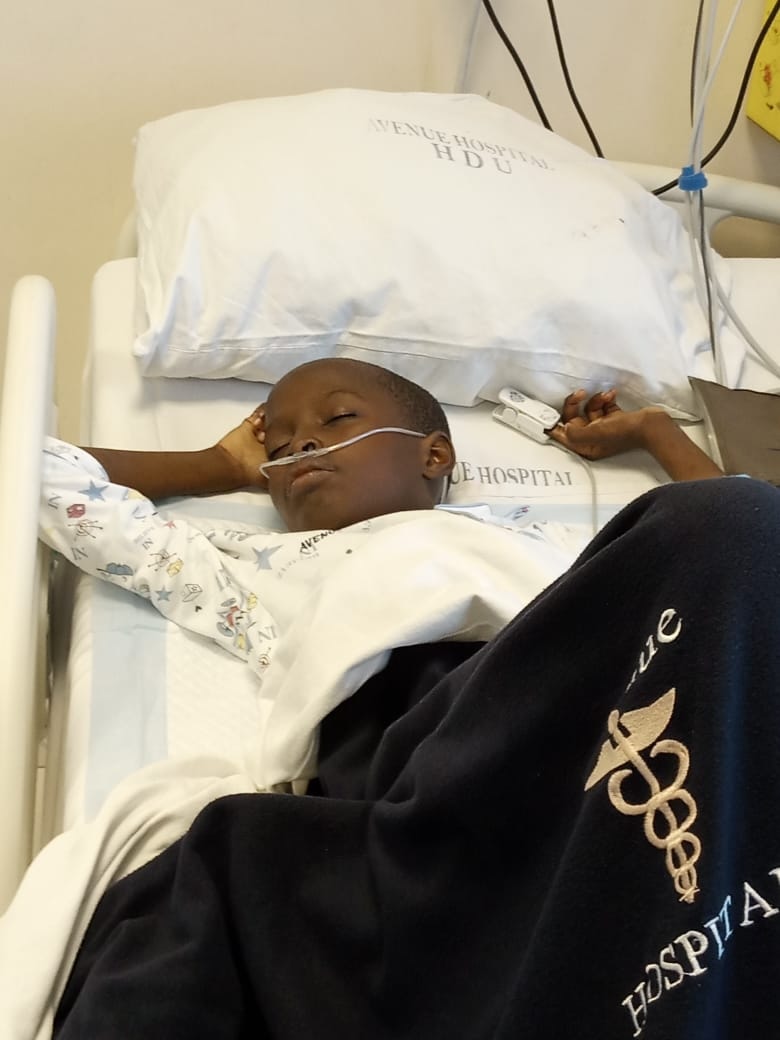
His government job gave him an income of 30,000 Kenyan shillings a month ($262 at the time) and health insurance with an annual limit of 700,000 shillings ($6,120) for the family, Felix told ICIJ. More than enough, he thought, to cover Frank’s bill. But the “simple surgery” quickly became complicated. One operation became two, then three. Frank’s condition deteriorated and he was taken to Avenue’s ICU.
Three weeks later the family had exhausted its insurance coverage. Frank had not improved, his father said, but the hospital told them that “we need to get funds for them to continue the treatment.” They managed to raise 50,000 shillings ($434), enough to keep Frank’s care going. But the rising costs — as much as 7,500 shillings ($65) a day for the bed alone — were daunting.
Felix learned that he could apply for help from Kenya’s national health insurance program. The process was time-consuming, however, and Avenue insisted that Frank remain in the hospital until the bill was cleared, Felix said. As his father went from government office to government office looking for assistance, the cost of Frank’s care mounted daily, reaching over 2.6 million shillings (nearly $23,000).
Frank stayed in the hospital for almost two more weeks, Felix said, adding that the family was charged for the additional time.
Felix claims that Frank was released after he signed over the deed for two parcels of land to the hospital as security. Frank had been admitted in February. When he finally left, he had missed Easter, the father said.
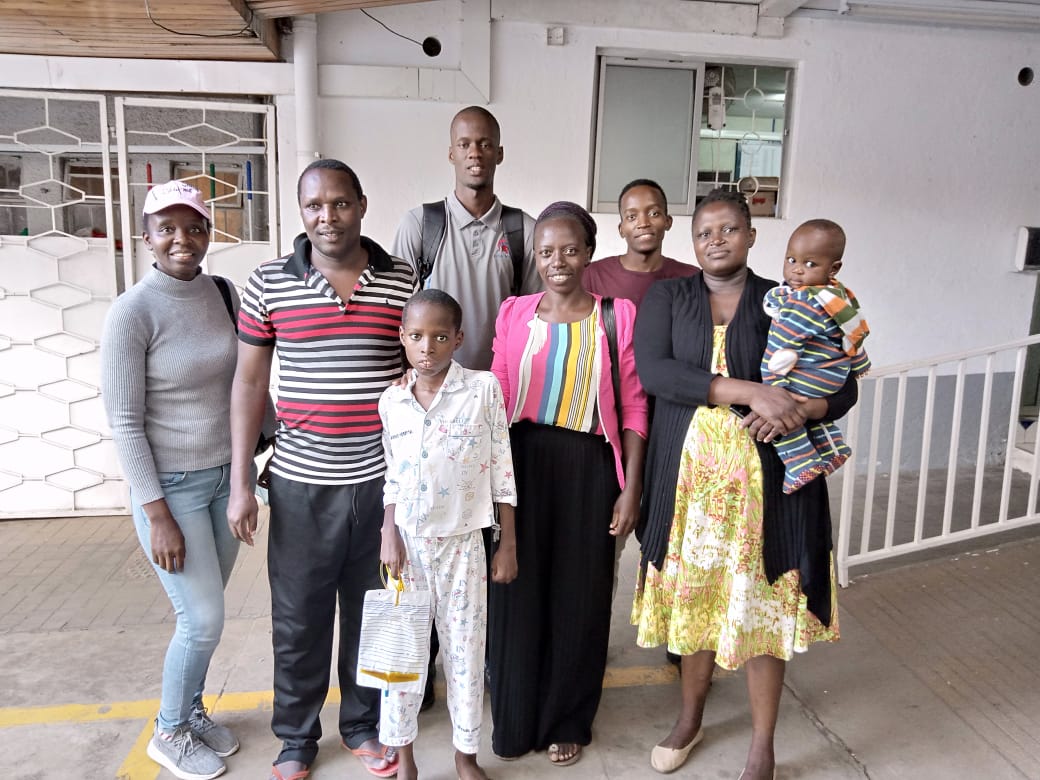
The family brought Frank back to Avenue for follow-ups. But when doctors said he would need another operation to correct complications stemming from his first surgery, Felix decided to take him to the government hospital instead. Doctors there managed Frank’s condition with drugs, but last year he fell sick again. His initial gallbladder operation had been unsuccessful, the doctors said. He would need yet another to fix it.
Five days later, Frank was dead.
The stress of his son’s death was exacerbated by the financial struggle of paying for his care, Felix said. “It was a very hard time for us.”
Daniel Kimani
Before his accident, Daniel Kimani was always surrounded by friends.
“It wasn’t easy for you to go to his house and find him alone,” one of those friends, Robert Mwongeri, told ICIJ during a recent interview. Kimani’s easy way with people earned him the nickname “Gavanah” or “Governer” — a man who has the support of the masses.
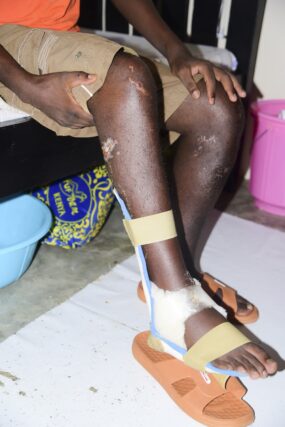
Late last year, Kimani’s supporters found themselves taking a vote with life-changing consequences. A van hit Kimani as he was biking to work, breaking both his legs and his jaw. Doctors at a nearby hospital stabilized him but said he needed an orthopedic surgeon to repair the extensive damage to his bones. After two days in the ICU, his family decided to transfer him to Avenue’s hospital in Parklands. That required a deposit of 200,000 Kenyan shillings (about $1,500), Mwongeri told ICIJ, speaking from the room at his house where he helped Kimani during his long recovery.
Two days after Kimani, 28, arrived at Avenue, he was still waiting for his surgery. “We said, ‘What’s wrong? Why can’t you take him to the [operating] theater?’ ” Mwongeri recalled. The answer was money: Doctors said they would first need 700,000 shillings ($5,400) to repair just one leg.
“We asked if they can release [Kimani], and that’s when they told us that we have to clear the bill,” for his ICU stay, Mwongeri said. That bill was more than 1.3 million shillings ($10,263).
The amount was impossible for Kimani’s friends to raise, so they called on his coworkers. During an emergency meeting at his workplace, a tissue-paper factory, employees voted to surrender part of their monthly paycheck to meet Avenue’s demands. Kimani’s boss sent the money to the hospital, but by the time it arrived, the bill had risen another 100,000 shillings ($766), Mwongeri said.
“His mother was confused,” he recalled. “She was saying, ‘Where would I find this amount of money?’ ”
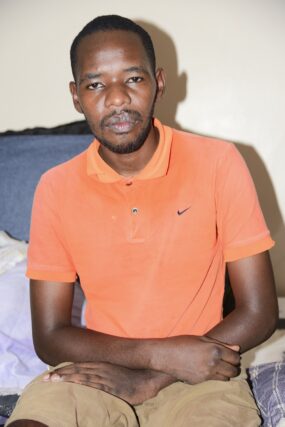
Seeing their inability to pay more, the hospital relented, and Kimani was transferred to a government facility. In the end, more than 300 people helped pay for Kimani’s care, Mwongeri said.
At the new hospital, Kenya’s national health insurance covered the cost of repairing Kimani’s legs, though not his jaw.
Kimani doesn’t remember much about his time in Avenue, he told ICIJ, but he recently returned for a follow-up surgery. After leaving the hospital, he was diagnosed with a condition that made it difficult for him to breathe. In June, a doctor at Avenue operated on him to correct the problem. Kenya’s national health insurance system paid almost 300,000 shillings ($2,300) for the procedure, which was performed at Avenue during a medical camp — an occasional event where the hospital offers some patients free or reduced-cost treatment.
Kimani still hasn’t received surgery on his jaw, which has knitted itself back together. To fix it, the doctors will first have to break it again. That will cost at least another 200,000 shillings (about $1,500). Before it can be done, he will need to purchase metal plates to hold the bones in place.
The bills have been overwhelming and paying for his care has been “quite a task,” Kimani told ICIJ. He is hoping he can once again call on his many friends for assistance. “My colleagues and my boss have been of so much help through the journey.”
Victor Oumah
On an evening in June 2020, a driver hit Victor Oumah and two friends as they crossed a road on the outskirts of Nairobi. Victor’s injuries were so bad that doctors at a nearby public hospital thought he was dead. “Literally there were other bodies on top of him in the morgue,” his brother, Emmanuel Oumah, said during a recent interview at a cafe in downtown Nairobi.
After doctors at the public hospital detected a pulse, he was placed in a general ward, where he remained unconscious for three days. He had head injuries, a broken arm and multiple fractures to both legs, but, Emmanuel said, medical staff seemed overwhelmed with COVID-19 patients and had little time to tend to him.
Concerned for his wellbeing, the family looked for another hospital. But COVID-19 was rampant and there were few open beds. Avenue’s hospital in Parklands had one, but it required a deposit of 160,000 Kenyan shillings ($1,486), Emmanuel said.
It’s going to take me a very long time to be able to offset this bill … It has reduced me to a beggar.
— Victor Oumah
The family knew Victor’s treatment would be costly no matter where he went, and they had started raising money while he was in the public hospital, scraping together 1.2 million shillings ($11,145). So they paid the deposit and hired an ambulance to transfer Victor to the Avenue hospital.
Emmanuel, who served as the family treasurer, said the costs increased faster than anyone had anticipated. Complications arose, and the hospital charged “for even the smallest things,” he said.
Emmanuel had been saving up for his wedding, but he postponed the ceremony. The money went to his brother’s hospital bill instead.
Four years later, Victor has mostly recovered. But he and his 10 siblings are still reeling from enormous medical bills accumulated during a month of treatment at the Avenue hospital. Emmanuel said that, when Victor was discharged, the bill stood at 3.2 million shillings ($29,720) — an astronomical sum for his middle-class family. After handing over all of the money they had collected, the balance still stood at nearly 1.7 million (about $15,000), he said.
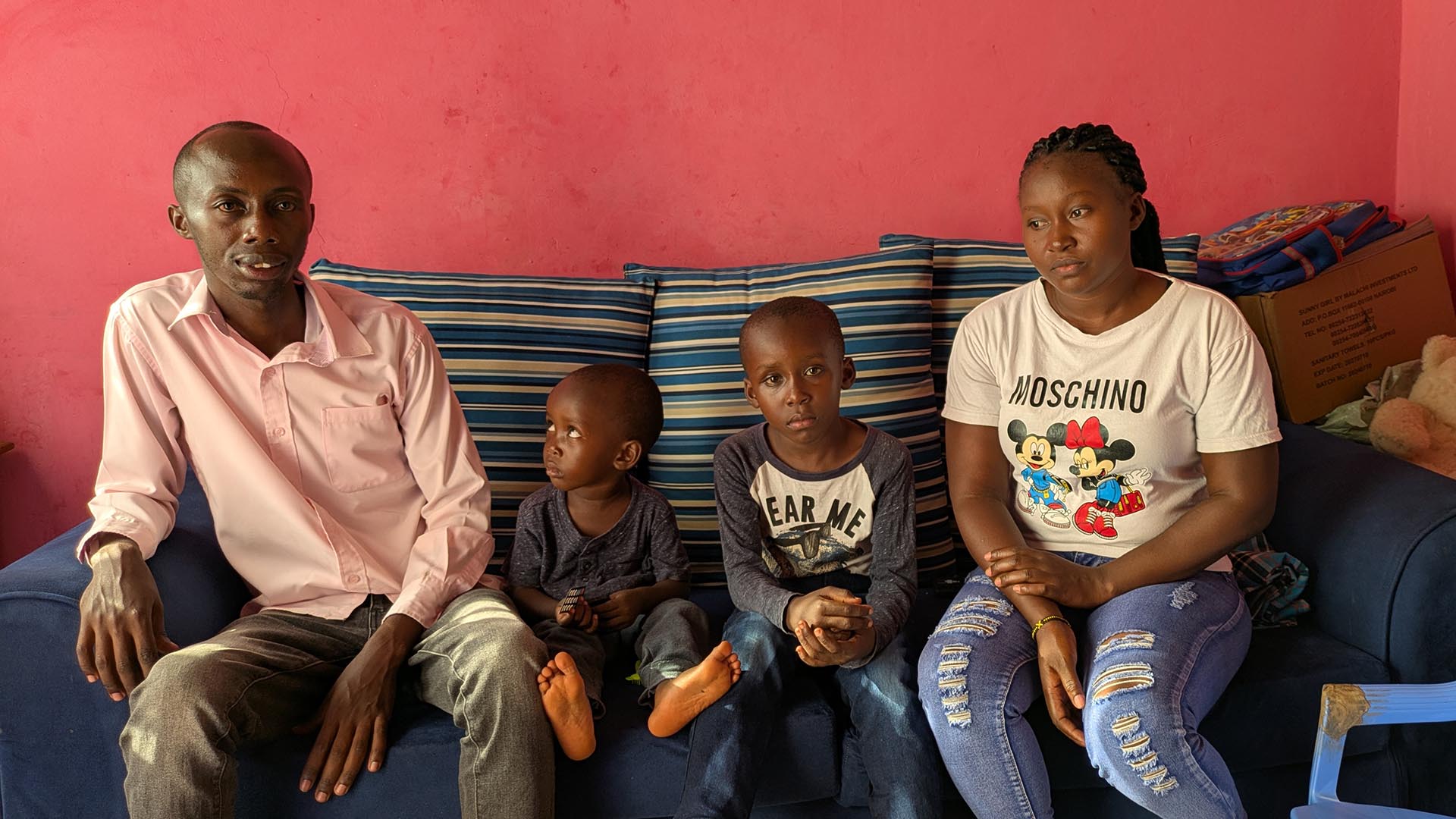
Emmanuel said that within weeks a debt collector began hounding the family. “I’ll come to where you work,” he recalled the man saying. “I’m going to your boss to tell him to remit your salary to Avenue Hospital.”
Victor told ICIJ that he was grateful for the care he received at the Avenue hospital. The doctor who cared for him was “amazing,” he said. But in response to the pressure to pay the bill, Victor had called the hospital to request that it “stop harassing me and stop harassing my siblings.”
Victor is pursuing a claim against the insurance company of the driver that hit him and his family still hopes to pay off Avenue Group’s bill — nearly 1.7 million shillings (about $15,000), he said.
Before the accident, Victor was a pastor, but he hasn’t been able to work in years and still needs medication for his injuries, he said. Even so, he currently pays the hospital around $24 a month — money that he receives from friends and well-wishers.
“It’s going to take me a very long time to be able to offset this bill,” he said. “It has reduced me to a beggar.”