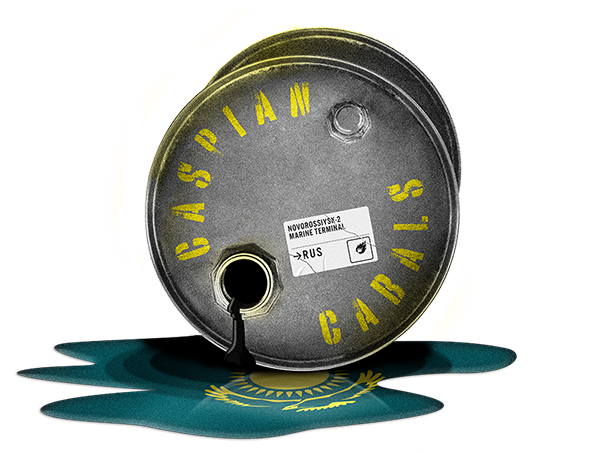
Kazakhstan alleges Big Oil corruption tainted $10.7 billion in contracts, delayed key oil project
The allegations, which are at the heart of a confidential arbitration, signal an aggressive new stance by the Central Asian country toward longstanding international partners.
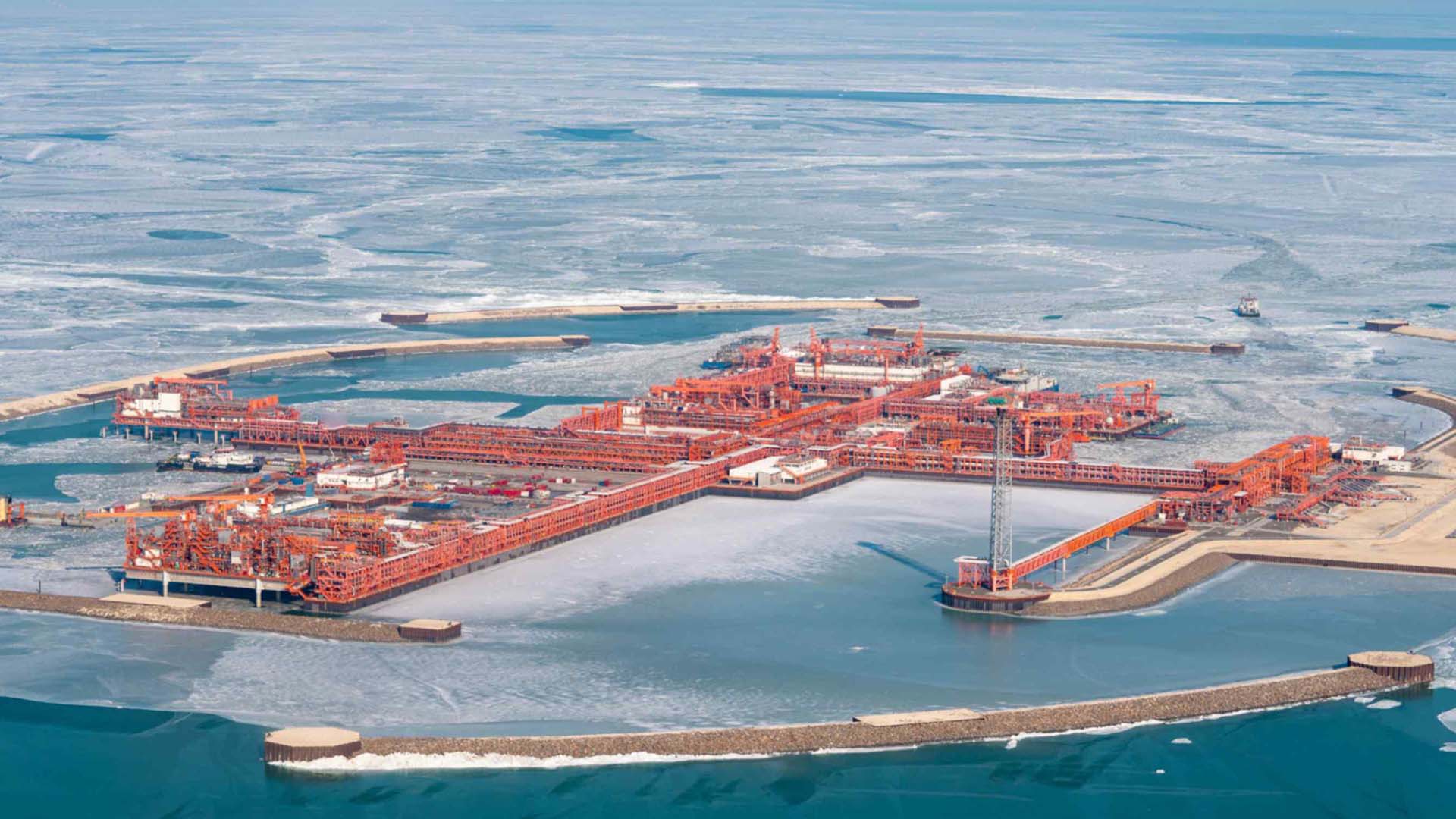
The Kazakh government is claiming in a confidential arbitration that international oil giants awarded $10.7 billion in contracts at the Kashagan oil field which had been compromised by self-dealing or unjustified cost increases, or were won through bribery, multiple sources have told ICIJ.
At the heart of the claim are around a dozen contracts that the Kashagan consortium of oil companies had issued to a handful of international engineering and construction firms that built key parts of the Kazakh mega field during the 2000s.
The claim amounts to the most serious accusation yet to surface from the Kazakh government in the closely watched international arbitration dispute between Central Asia’s biggest oil producing state and the North Caspian Operating Consortium (NCOC) that operates Kashagan. The consortium is made up of Shell, ExxonMobil, Eni, TotalEnergies, China National Petroleum Company and Japan’s Inpex.
The claim is part of a $160 billion international arbitration action over the Kashagan project that also includes allegations of lost profits and environmental damage.
The arbitration tribunal, registered at the Permanent Court of Arbitration in The Hague, is yet to make any decision on the corruption claims, people familiar with the situation said.
The NCOC told ICIJ via email that the consortium members “consider that they have acted in accordance with the relevant contracts, [Kazakh] laws and applicable standards and best practices.”
“Due to the confidential nature of the proceedings, we are unable to provide further comments,” the consortium added.
The project to tap the geologically complex site at Kashagan, a giant offshore reserve in the Caspian Sea, was beset by years of construction problems as a result of the field’s deep, high-pressure oil reservoirs, high levels of toxic sulfur and even the constant threat posed by sea ice during winter months. Originally slated to come online in the mid-2000s, Kashagan started full production only in 2016, a delay, the Kazakh government claims, that has cost it billions of dollars in lost earnings.
Kazakhstan is contending that crucial delays at Kashagan, hailed as the world’s biggest oil find after Alaska’s Prudhoe Bay, were in part caused by alleged corruption over contract awards to international companies and the mismanagement that ensued during the 2000s, sources told ICIJ.
These alleged corruption-related setbacks, Kazakhstan claims, postponed the start of full production at Kashagan and therefore the start of the profit-sharing phase — the most lucrative for the Kazakh state — even as the oil companies have continued to recover their claimed development costs. Available estimates for the latter hover around the $60 billion mark, though that is believed to be a conservative figure.
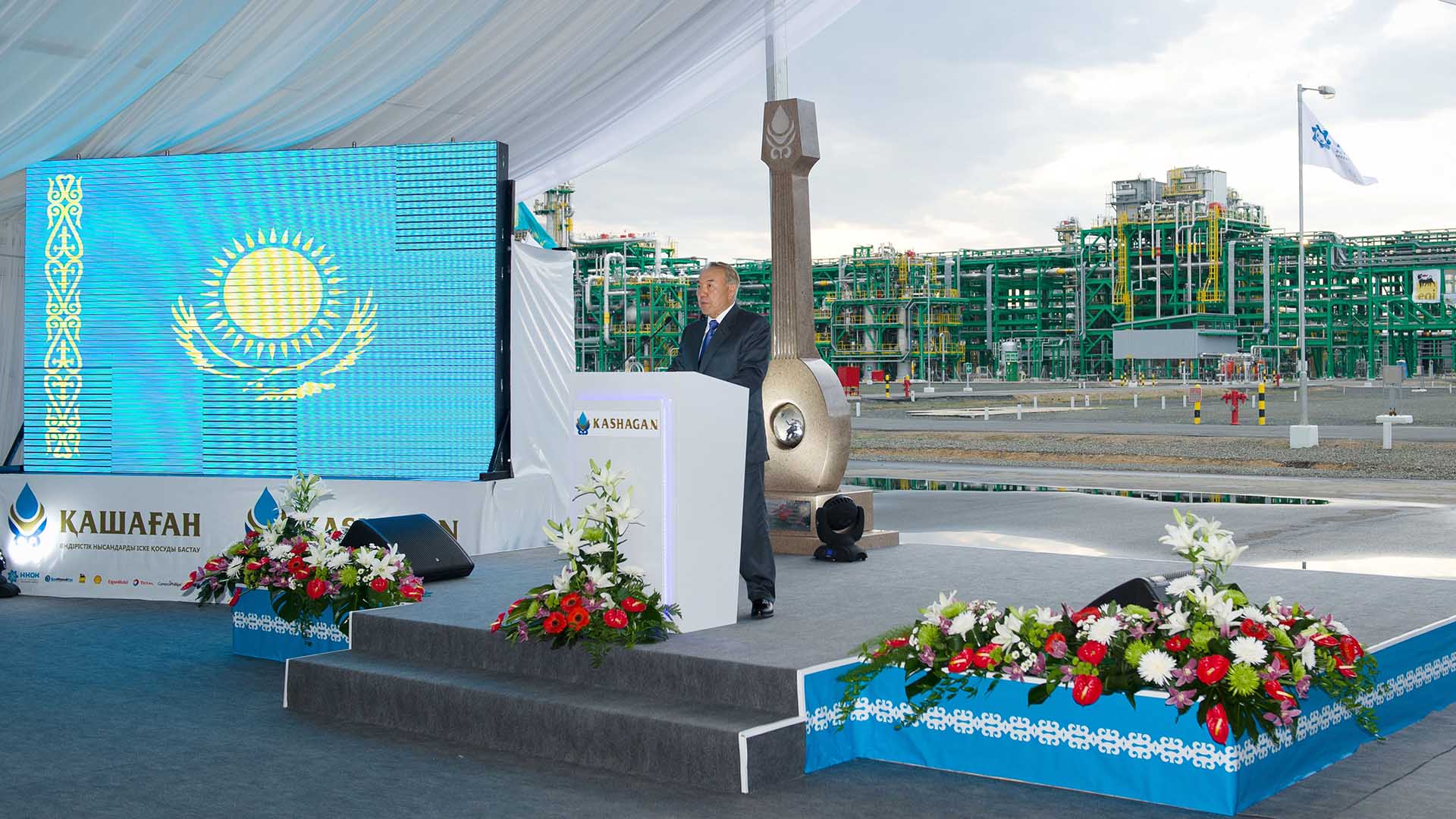
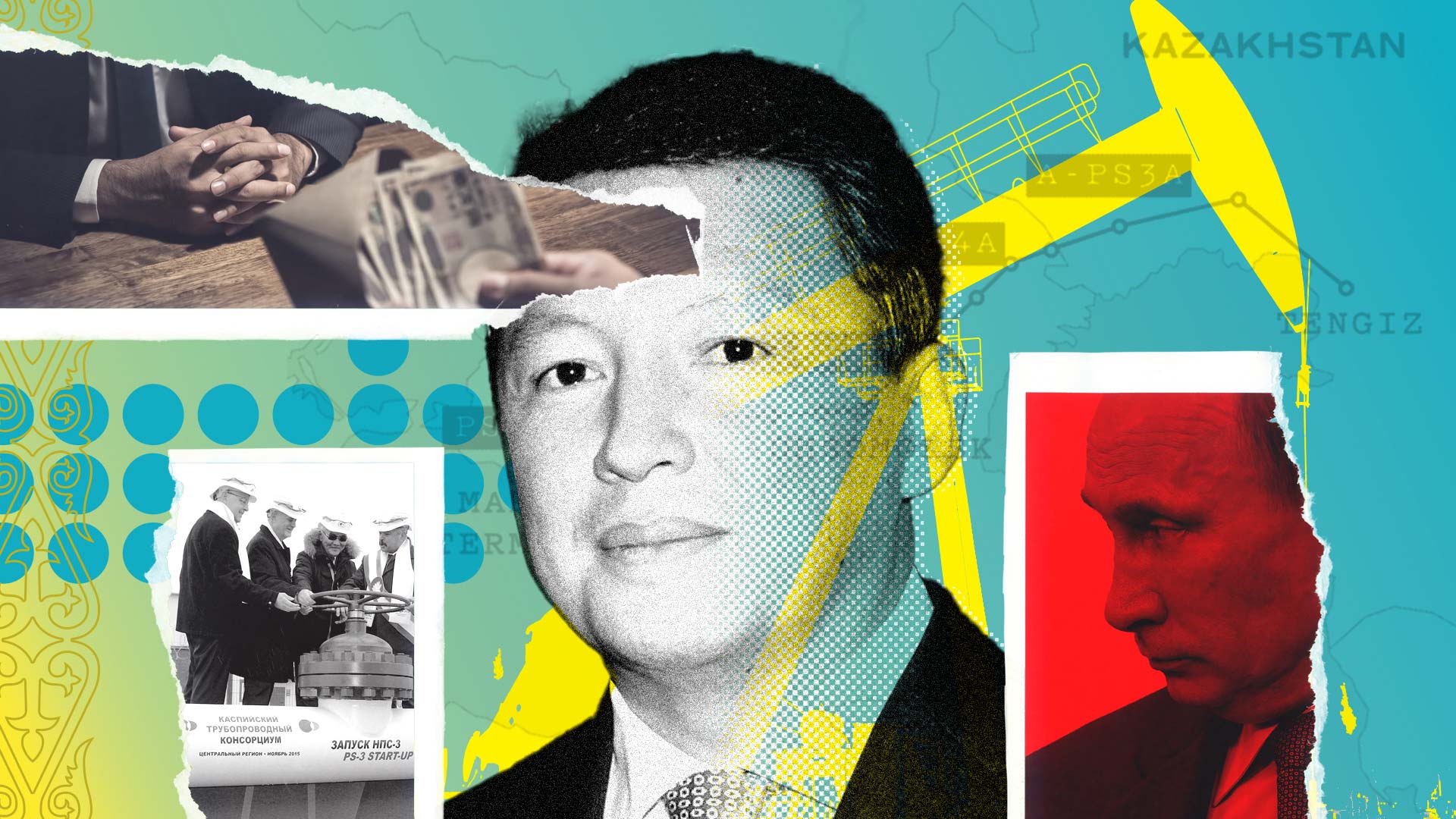
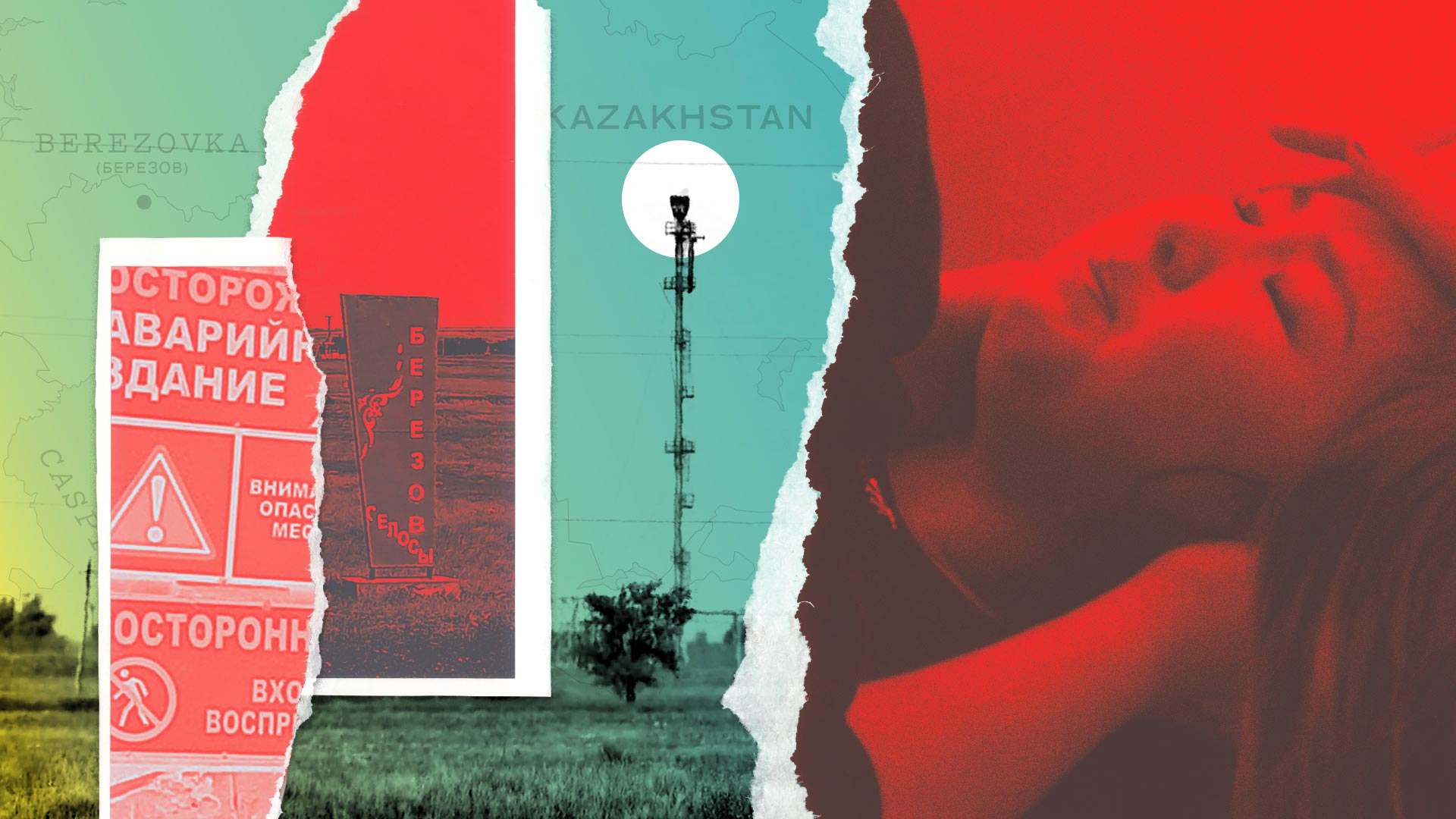
The case, held at London’s International Dispute Resolution Centre, is believed to be the largest international arbitration claim ever filed, exceeding one filed by Mikhail Khodorkovsky’s Yukos oil company against Russia for $114 billion. That case resulted in a $50 billion award that is yet to be enforced.
The NCOC has rejected Kazakhstan’s claims, citing flaws in the evidence and expiration of the statute of limitations, according to sources.
Further, the consortium claims that some of the available evidence, which stems in part from a series of Italian bribery investigations, suggests that any alleged involvement in corruption lies with Kazakh public officials, rather than the oil companies.
The arbitration was launched in the aftermath of mass protests in 2022 against the slow pace of reforms after the end, three years earlier, of the rule of the country’s longtime president Nursultan Nazarbayev. The claim marks a huge gamble for the government of President Kassym-Jomart Tokayev, straining the country’s relationship with Big Oil and foreign investors more broadly, analysts say.
Kashagan is one of three vast oil and gas fields on which international oil companies partnered with Kazakhstan to build in a development flurry that followed the country’s independence in 1991. The oil produced is routed through a 1,500 kilometre pipeline that runs through Russia to the Black Sea, the Caspian Pipeline Consortium.
The development and profit-sharing arrangements at Kashagan and the two other fields, Karachaganak and Tengiz, are based on lengthy, complex and confidential contracts known as production-sharing agreements. Under these agreements, oil companies agree to develop the fields and recover their costs via oil sales, before they begin to share the profits with the host state.
But the Kashagan arbitration, along with a recently concluded arbitration on Karachaganak, have emerged as watershed moments as Kazakhstan seeks to gain what it sees as a fairer deal on these fields, according to media reporting.
According to Reuters, the Karachaganak arbitration decision earlier this year — which went in favour of Kazakhstan — noted that the Kazakh government had admitted it had previously tolerated “corruption and kleptocracy” until 2022. As part of the Kashagan case, ICIJ reported last year, Kazakhstan is claiming that the oil companies are taking a staggering 98% of oil revenue from Kashagan after initial royalty payments.
Sources told ICIJ that one option floated by the oil companies in the current settlement talks around Kashagan involved cancelling the original production-sharing agreement — which is still in the cost-recovery phase — and moving to a new joint venture for the further development of the field. NCOC declined to comment.
Eni, Inpex, Shell and Total declined to comment, referring ICIJ’s questions to NCOC. ExxonMobil and CNPC did not respond to requests for comment.
Neither Kazakhstan’s PSA, the government body responsible for managing the country’s mineral rights, nor the Ministry of Energy responded to a request for comment.
On July 21, the Kazakh authorities placed a freeze on NCOC assets, including property and transport, inside the country over a disputed $5 billion environmental fine — a case that is now subject to a separate international arbitration claim.
Absent a settlement, the closed-door battle over the credibility of corruption allegations at Kashagan — and if proven, who is responsible — is likely to continue until at least 2028, when a final decision in the arbitration is expected.