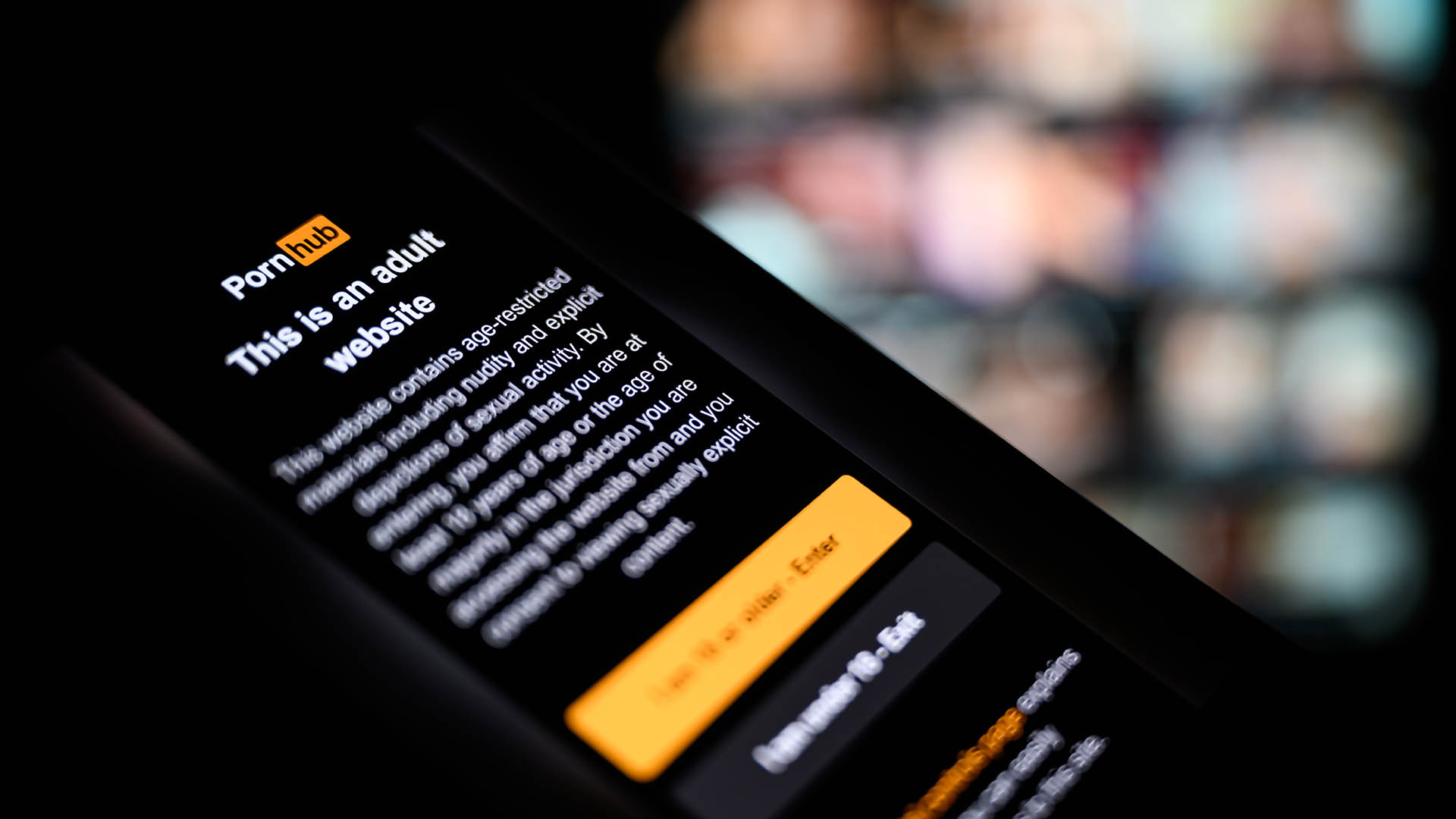
When the International Consortium of Investigative Journalists asked Pornhub about its handling of child sexual abuse material and other nonconsensual content, the company’s parent, Aylo, went to court to stop the story.
ICIJ fought back, arguing that the Alabama federal court where Aylo sought a temporary restraining order lacked jurisdiction over it and that the requested injunction would constitute an unconstitutional prior restraint under the First Amendment.
The court denied Aylo’s motion on Nov. 16, and ICIJ immediately published the story Aylo didn’t want readers to see. But a separate question remains: whether ICIJ will be required to identify to the judge a confidential source who provided court records used in its investigation.
U.S. District Judge Annemarie Carney Axon directed ICIJ to explain why it should not be required to disclose the source’s identity privately to the court. The judge’s inquiry concerns a specific court record identifying victims of child sexual abuse, which was among a larger collection of records provided to ICIJ by its source. In its response, filed on Nov. 23, ICIJ argued that the court has no authority to force it to identify its confidential source and that doing so would violate important First Amendment protections for journalists.
The court said its goal was to prevent further circulation of the victims’ identifying information. ICIJ shares that concern. It has committed not to publish, disseminate or share that document and has restricted access to it. ICIJ’s story did not disclose any identifying information of victims.
Aylo sought the restraining order after ICIJ reporter David Kenner approached the company for comment about the records he obtained. The documents, which were filed in a class action lawsuit against Aylo-related companies alleging they knowingly and unlawfully profited from child sexual abuse material, were supposed to have been sealed, but were inadvertently made publicly available on the court’s electronic records system, where they remained for eight months. ICIJ later obtained copies from a confidential source.
Those records then formed the basis of an ICIJ investigation revealing how Aylo’s profits were built in part on allowing “some of the most heinous material on the internet” to remain on its platforms despite warnings from victims and law enforcement.
That investigation is now at the center of a legal dispute that threatens a fundamental principle of press freedom: journalists must be able to protect confidential sources while investigating powerful interests and exposing wrongdoing.
Sources often take substantial personal risks to reveal information in the public interest. If they do not feel confident their identities will be protected, they may never come forward.
At ICIJ, protecting sources is fundamental to our ability to investigate wrongdoing and hold powerful institutions to account. Even disclosure solely to a judge would compromise source confidentiality and could set a dangerous precedent for journalists everywhere.
For nearly three decades, ICIJ has investigated powerful interests around the world despite legal threats, the detention of journalists and other efforts to obstruct our work. Even unsuccessful legal challenges impose substantial costs on nonprofit newsrooms like ours, diverting resources from investigations the public depends on.
We will vigorously defend the confidentiality of our sources and the principles of press freedom at stake in this case. The public’s right to know depends on journalists being able to protect those who help them uncover the truth.