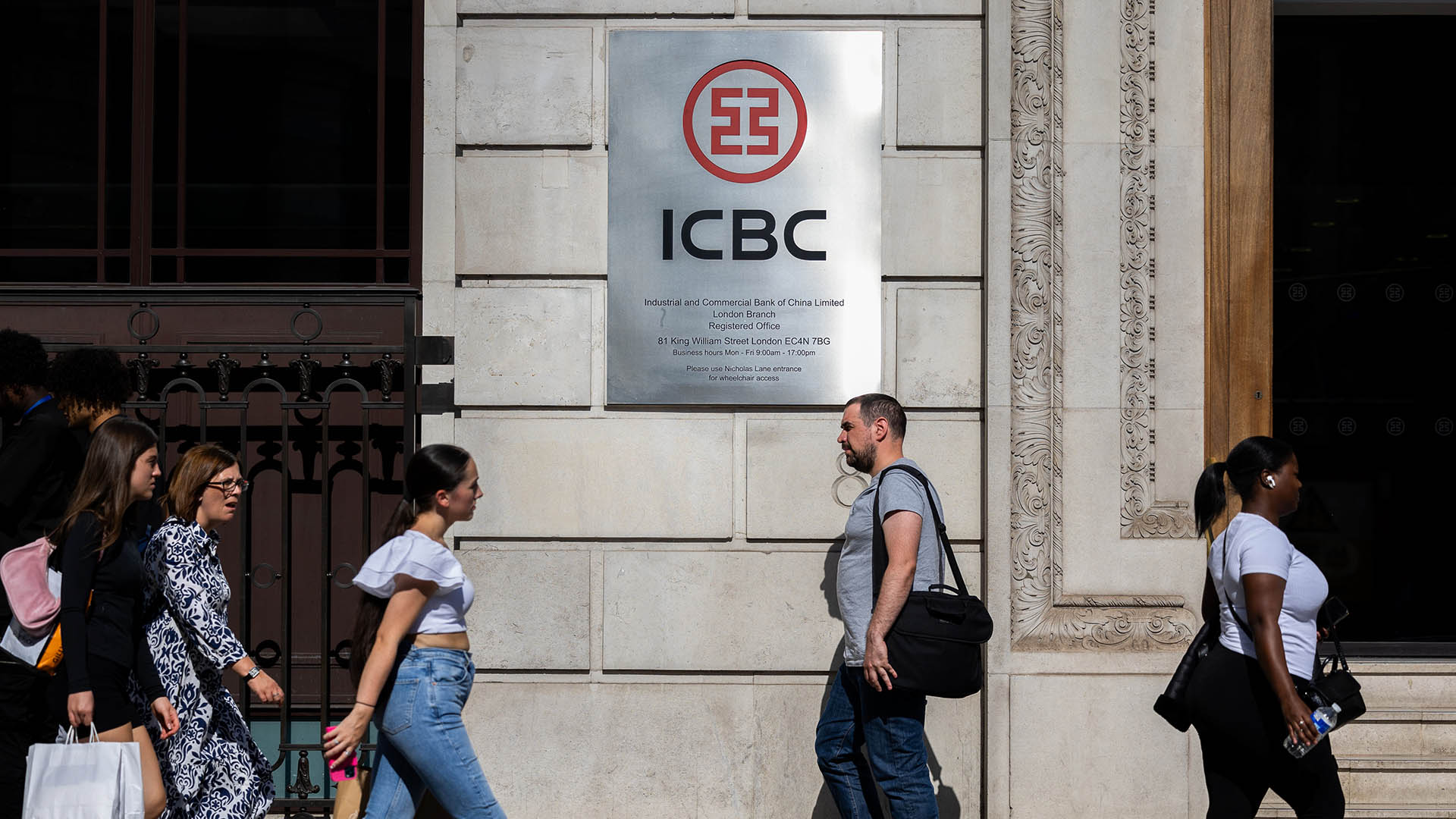
British lawmakers today raised concerns about Chinese ownership of water utilities and key local infrastructure following ICIJ’s China Capital investigation into financing deals pursued by the Industrial and Commercial Bank of China, the world’s largest bank by asset size.
Senior conservative peer Lord Blencathra, also known as David Maclean, questioned the government in British Parliament’s House of Lords after The Times, an ICIJ partner, reported that ICBC issued nearly $1.7 billion in loans and borrowing options to water and energy infrastructure companies in the United Kingdom in the years leading up to July 2024.
ICIJ found that the London units of ICBC, whose majority shareholder is the Chinese state, served as a financing hub for companies linked to sanctioned oligarchs, autocrats publicly accused of corruption and China’s political establishment.
“There are deep concerns that this poses a financial security risk, especially since ICBC has continued to accept business from Russian and Belarusian clients,” Maclean told members of the House of Lords.
Representing the government, Baroness Sue Hayman of Ullock, the Parliamentary Under-Secretary of State for Environment, Food and Rural Affairs, said that the water industry will be included in a mandatory notification scheme that allows officials to block or unwind transactions based on national security assessments.
“The government takes all security threats extremely seriously,” Hayman said. “We have to ensure that not just water companies, actually, but any kind of industry that is critical to our national infrastructure and our national security is fully accountable.”
The China Capital investigation, a cross-border collaboration with 23 media partners, is based on a trove of 4.8 million confidential files from the archives of ICBC’s London branch and a separate U.K. subsidiary spanning about two decades, until 2024.
China Capital’s rare view of ICBC’s inner workings comes from the confidential archives of the bank’s London branch and a U.K. subsidiary, dated between 2005 and 2024.
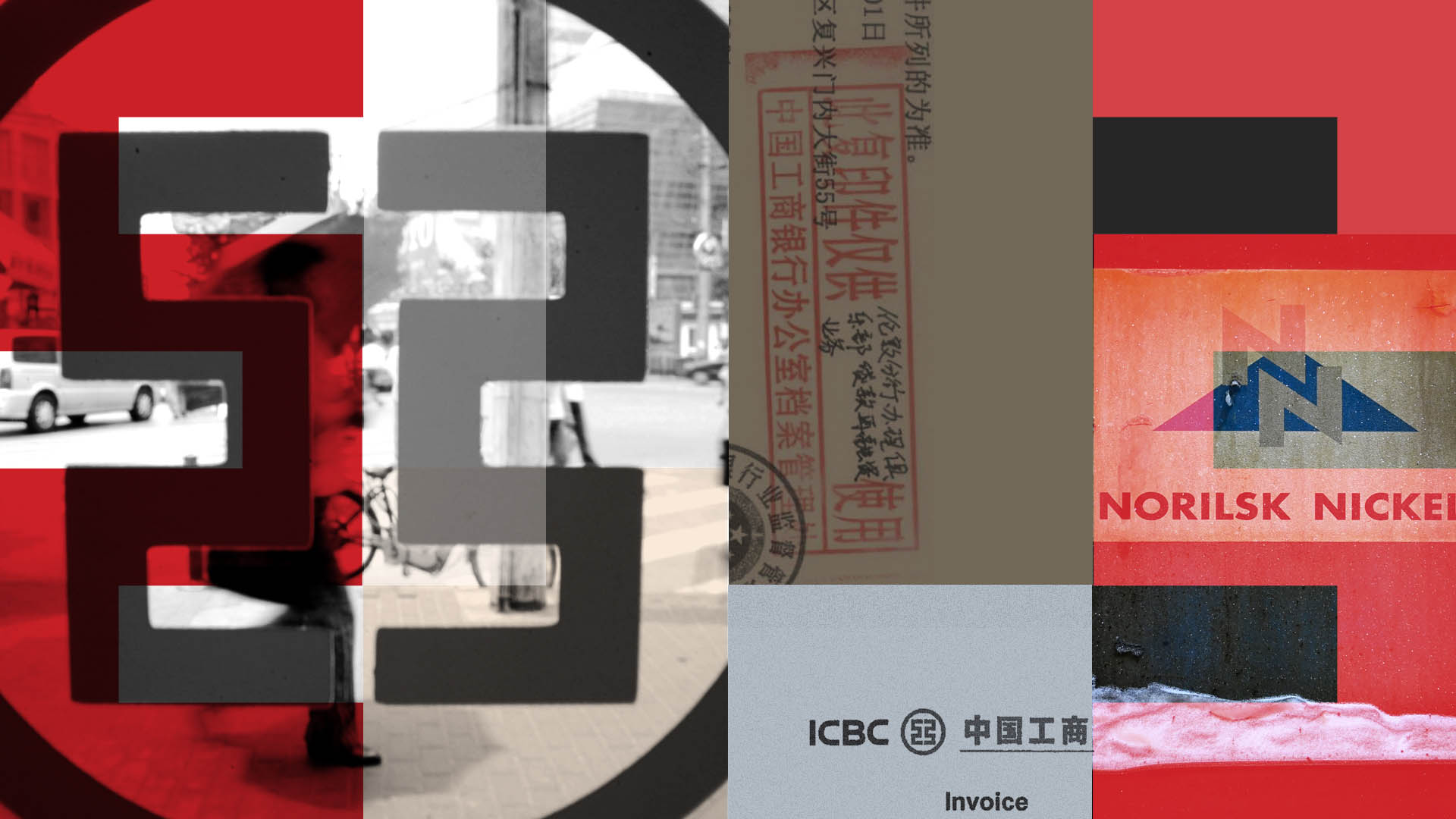
The trove includes reports marked as trade secrets; internal emails in English and Chinese; confidential dossiers and lists on more than 4,000 corporate clients; meeting minutes; suspicious transaction logs; and directives from the bank’s Communist Party committee, an internal cell that facilitates party activities and advances government policies.
ICIJ also analyzed agreements related to about 200 loans which ICBC London committed to provide — alone or in coordination with other banks — to nearly 200 borrowers. Among them were the Zambian government and companies headquartered or operating in about 30 countries, including the U.K., South Africa and Luxembourg and some offshore financial centers.
ICIJ found that ICBC officers in London acted at the direction of the bank’s Beijing headquarters to pursue explicitly political objectives for its majority shareholder, the Chinese state: cement alliances, acquire natural resources and expand control over communications, energy and transportation infrastructure globally. At times, the records show, the bank breached its own sanctions and anti-money laundering policies. ICBC did not respond to ICIJ’s requests for comments.
China Capital shows how ICBC London routinely financed companies with opaque financial flows and murky corporate ownership, justifying the deals as part of its support for the government’s top priorities, including the massive infrastructure investment plan known as the Belt and Road Initiative and the Made in China 2025 industrial policy.
Among the infrastructure projects, ICBC was involved in the financing of an $11 billion rail tunnel development in Melbourne, Australia, according to records examined by the Australian Financial Review, an ICIJ media partner.
A confidential report in the China Capital trove reveals that Chinese lenders were told that construction of the project was behind schedule months before the Victorian auditor-general informed the public about the delays.
Commenting on the findings, former prime minister Kevin Rudd said China’s industrial policy was “relentless” and would attempt to control, influence and shape Australian companies by any means possible, the AFR reported.
“Whether we like it or not, as exponents of free markets, this is now the world,” Rudd said.