
CHINA CAPITAL
US prosecutors accuse Huawei of ‘far-reaching criminal scheme’ spanning decades
The Chinese tech giant is on trial in New York for allegedly violating U.S. sanctions on Iran and stealing trade secrets as it built its global telecommunications empire.
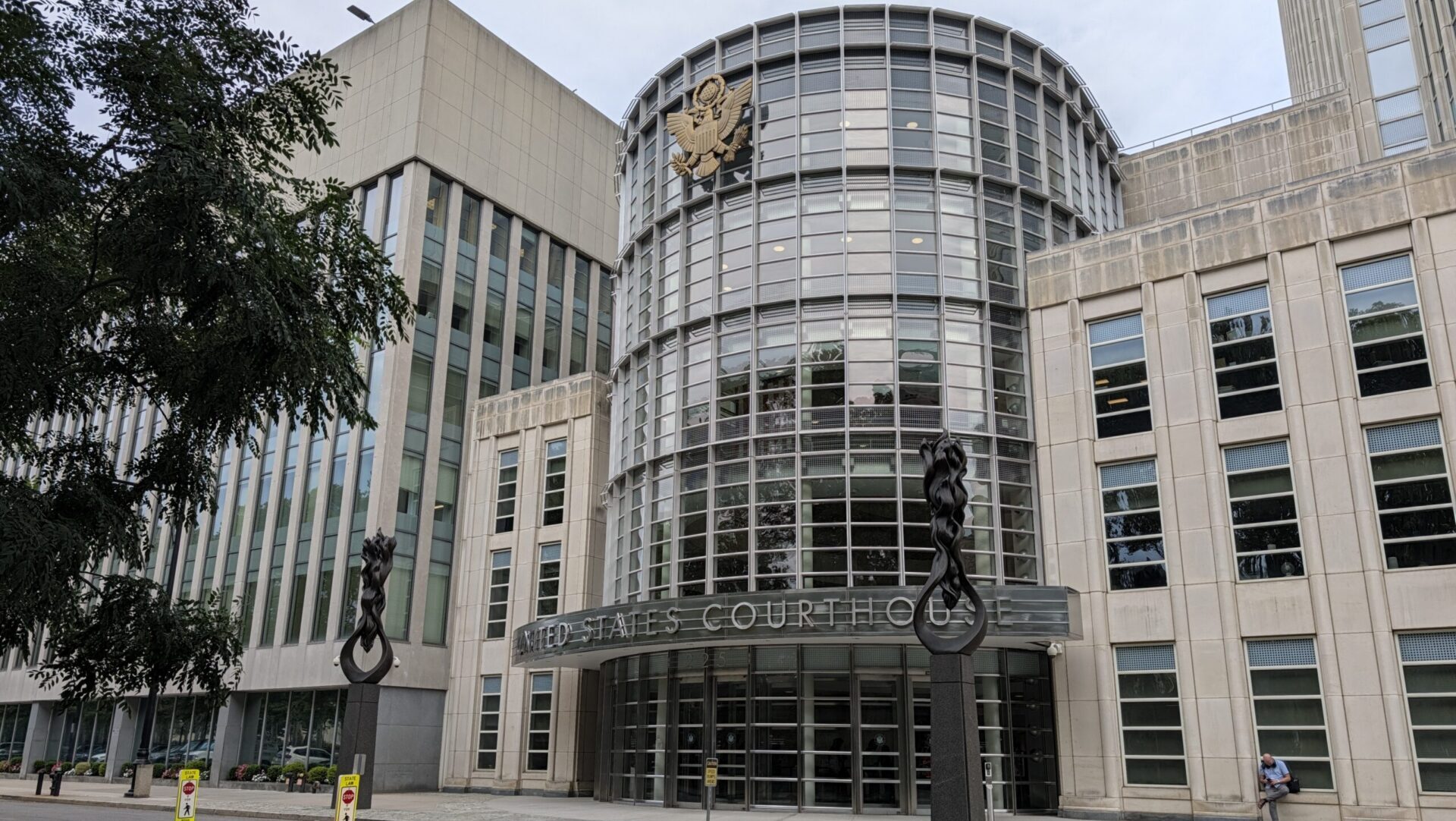
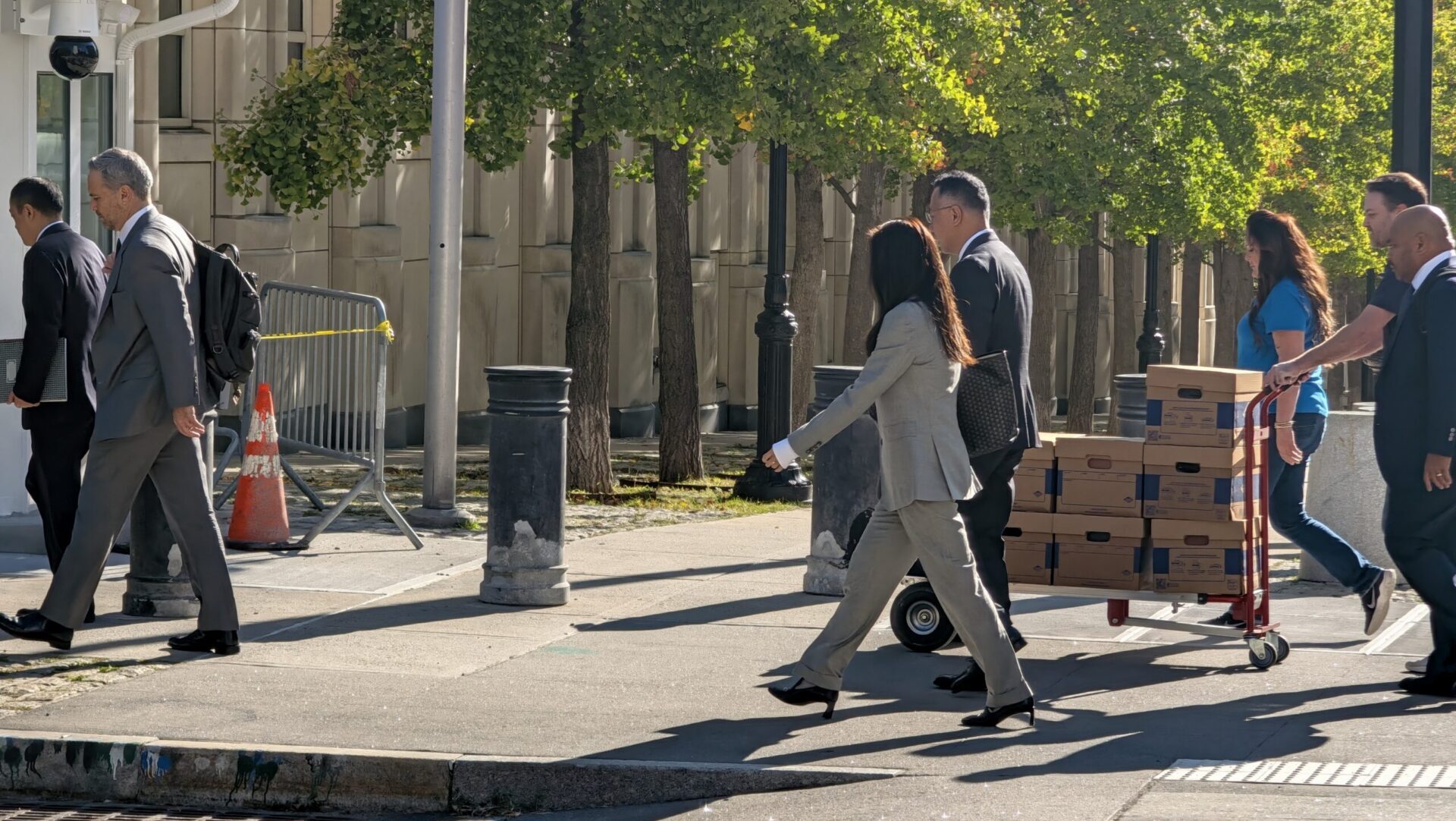
The U.S. government has long warned, in sweeping terms, that the Chinese tech giant Huawei is effectively an arm of the Chinese state that acts with impunity on the global stage, including allegedly violating U.S. sanctions. Over the last two weeks, U.S. prosecutors have begun to make that case, labeling Huawei a “criminal enterprise,” in what could be a lengthy trial in a New York federal court.
Huawei enacted “a far-reaching criminal scheme extending over twenty years,” according to Department of Justice prosecutor Taylor Stout. “Crime was an important business strategy.”
Nearly eight years after the U.S. Department of Justice unsealed its indictment against Huawei, the company is facing 12 felony charges, including that it conspired to steal technologies from U.S. competitors and business partners. The federal government also alleges that Huawei lied to its Western banking partners about doing business in Iran in violation of U.S. sanctions. No individuals have been charged.
Huawei’s lawyers rejected the government’s characterization, with Brian Heberlig, one of at least a dozen attorneys working for the defense, arguing that the charges concerned “disconnected incidents.”
“It’s about competition, not conspiracy,” Heberlig said.
In December 2018, Huawei CFO Meng Wanzhou was arrested in Vancouver at the request of U.S. officials and charged with fraud. After a lengthy period of house arrest, Meng reached a deferred prosecution agreement with U.S. authorities in 2021 in which she admitted to lying to HSBC and other banks about a Huawei subsidiary’s business in Iran. That admission will likely be introduced during the trial.
As reported in China Capital, ICIJ’s recent investigation into Industrial and Commercial Bank of China, Huawei had leaned on its close relations with the state-owned bank to insulate itself from the fallout of Meng’s arrest. After the Justice Department unveiled its indictment, the company’s bankers at ICBC’s London branch facilitated a transfer of $1.3 billion in “emergency cash” from London to a branch in China without informing compliance staff.
The federal government’s investigations of Huawei go back to at least the Obama administration. Some of the alleged crimes occurred around the turn of the century. The allegations include that Huawei stole technology from U.S. companies like the cell service provider T-Mobile and the networking giant Cisco. Prosecutors have claimed that Huawei paid bounties to employees for recruiting workers to leave rivals, bringing their trade secrets to Huawei, which employs about 210,000 people in more than 170 countries and regions. In one incident raised at trial, a Huawei employee allegedly snuck into a booth at a trade show to take photos of Fujitsu network equipment and was spotted by a security guard.
For years, U.S. intelligence and government officials have expressed concern that, along with being a dominant player in global telecommunications, Huawei is a tool of Chinese statecraft, enabling espionage and repression in autocratic countries like North Korea. Huawei’s global expansion, officials warned, might allow the Chinese government to eavesdrop on numerous countries.
In the first days of the current trial, Parham Baheshti, a former engineer at Mobinet, an Iranian telecommunications firm, testified that Huawei, working with Iranian intelligence, built a domestic surveillance system that could spy on users of Mobinet’s wireless network. “They help a dictatorship to rule and suppress people,” Baheshti said.
Huawei’s defense lawyers argued that the company furnished a so-called lawful interception program similar to the ones found in many other countries, both democratic and otherwise, which sometimes run on equipment from Western tech companies.
Judge Ann Donnelly told jurors last week China and the Chinese Communist Party “are not on trial.” But the backdrop of great power competition, especially in a trial that began with a focus on Huawei’s business in Iran in alleged violation of U.S. sanctions, is hard to ignore. Jurors were asked if they had any family ties to China and scrutinized for their opinions on the tech industry.
The trial is one of the biggest in the history of the Eastern District of New York, with hundreds of pieces of evidence expected to be introduced, along with numerous witnesses who have worked for or with Huawei in the U.S., Iran, and other countries. Judge Donnelly said she hopes that proceedings will conclude by Christmas, but the trial may run into next year.
“What is so remarkable is that the case is going to trial,” Duke University Law Professor Brandon Garrett said in an email to ICIJ. “The vast bulk of criminal cases, including corporate cases, are resolved through negotiated settlements. Here, the company has already been sanctioned and may have had little incentive to settle.”
Chinese President Xi Jinping is scheduled to meet with President Donald Trump on Sept. 24 in Washington, D.C., where they will discuss issues such as AI safety and American citizens imprisoned in China. President Xi has championed Huawei, which just last month reached a potential agreement with the Egyptian government to build AI data centers. The State Department, hoping to stymie a potential victory for China’s tech industry, has reportedly encouraged U.S. companies to outbid Huawei’s offer.
If the world’s largest telecoms firm is eventually found guilty, it’s not clear what the Justice Department, or the Trump administration, may want as restitution.
“Should the government prevail, what consequences can be imposed on top of existing sanctions?” Garrett, the law professor, said. “What assets are available to pay fines, for example, if the company is found liable?”