BEHIND THE SCENES
Global headlines and a public reckoning: Ten years of the Panama Papers, part 3
On the 10-year anniversary of the Panama Papers, journalists and a Nobel-wining economist share their recollections of how the story unfolded, and how the investigation still resonates today.
A decade ago, the biggest network for journalists ever assembled set out to investigate a system built to stay hidden.
What they uncovered became the Panama Papers, a sweeping investigation that broke open the secretive world of finance and exposed how the rich and powerful use offshore structures to protect wealth and dodge scrutiny.
This is the final part in a series that explores how it all came together, drawing on the recollections of the journalists whose reporting sparked a global reckoning over financial secrecy and its consequences. Read parts one and two, or revisit the Panama Papers investigation in its entirety.
The high view
Marina Walker Guevara (United States)
Then: Deputy director, ICIJ | Now: Executive editor, Pulitzer Center
At 2 p.m. on April 3, 2016, when the first Panama Papers stories started publishing, Marina Walker Guevara was somewhere over the United States, suspended between time zones and cut off from the political tremors that had already begun.
She was traveling home from a family wedding in San Francisco, wondering how the stories would land and whether anyone would care.
The answers came quickly.
The plane had barely touched down in Washington when Walker Guevara turned on her phone. Messages surged in faster than she could open them.
“I had to catch my breath,” recalled Walker Guevara, an Argentine journalist who is now executive editor of the Pulitzer Center.
The world was absorbing the secrets she’d guarded for more than a year — details that were about to spark protests, topple world leaders and ignite criminal investigations.
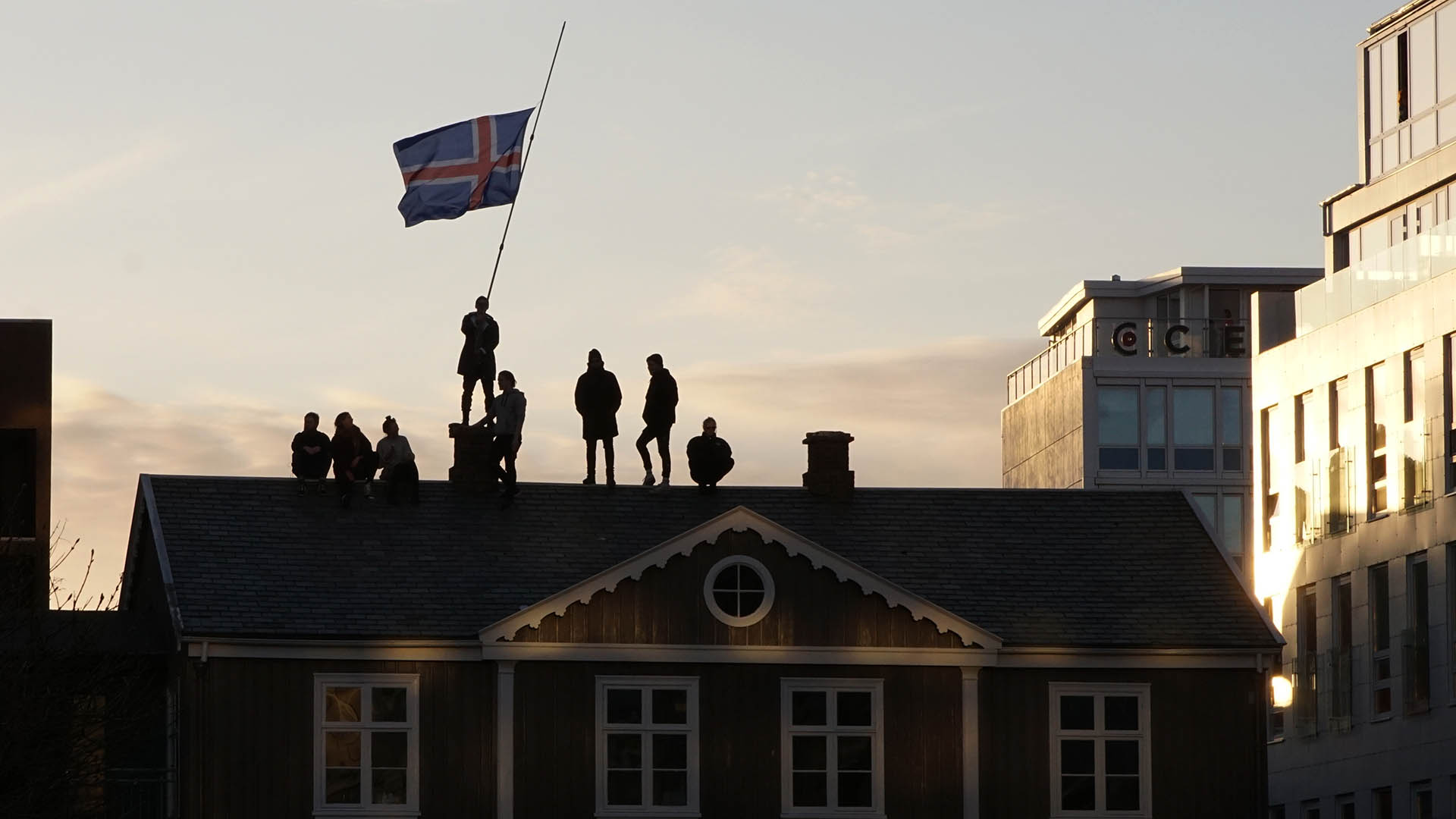
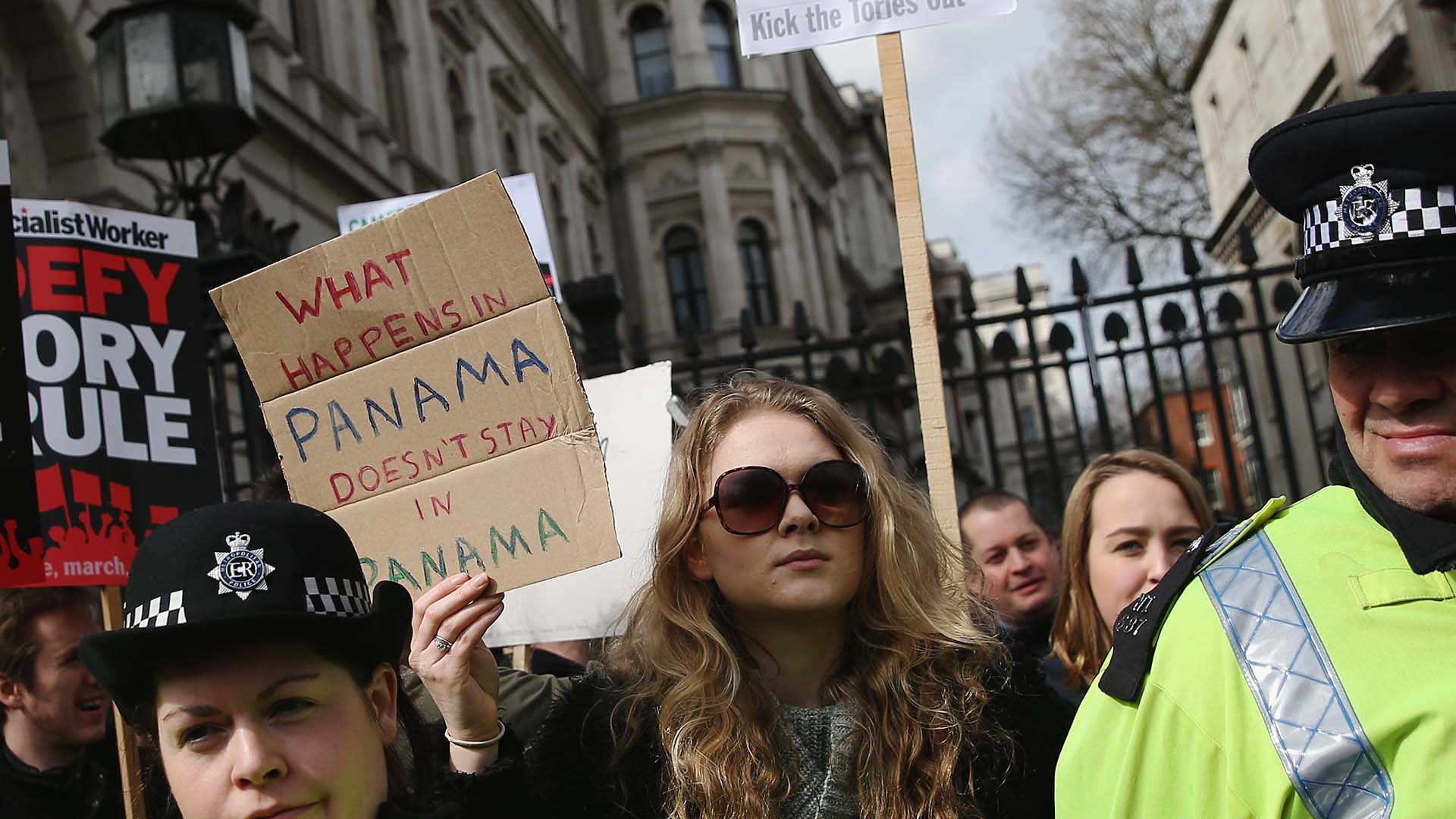
Within the first hours and days, angry crowds gathered in Reykjavík and London, governments from Panama to Pakistan scrambled to issue denials, and all the while presses were still running, printing story after story about the global mix of politicians, financiers and celebrities whose financial dealings spanned jurisdictions.
Watching it all unfold, Walker Guevara began to understand the gravity of what this global team had achieved.
“This is much bigger than anything we thought,” she recalled. “This is truly a story about systemic inequity.”
Naming the untouchable
Moussa Aksar (Niger)
Founder and editor, L’Evenement
When L’Evenement published the Panama Papers, the paper’s founder and editor Moussa Aksar knew there would be consequences. The coverage named a powerful financier closely tied to the country’s ruling elite — “un intouchable,” Aksar said recently in his native French. An untouchable.
The reaction came quickly. L’Evenement sold out within hours. Another print run was needed. Aksar felt satisfaction — until he thought of his three children and unease took over.
Aksar had just told the world that a major political donor had used an offshore company to move revenue from his bus company into tax havens.
The calls began the morning of publication. First, a warning from a friend who admired his courage and urged him to be careful.
Then came calls from people he did not know. Threats. Each time the phone rang, the risk felt less abstract. In Niger, reprisals rarely stop with the journalist alone.
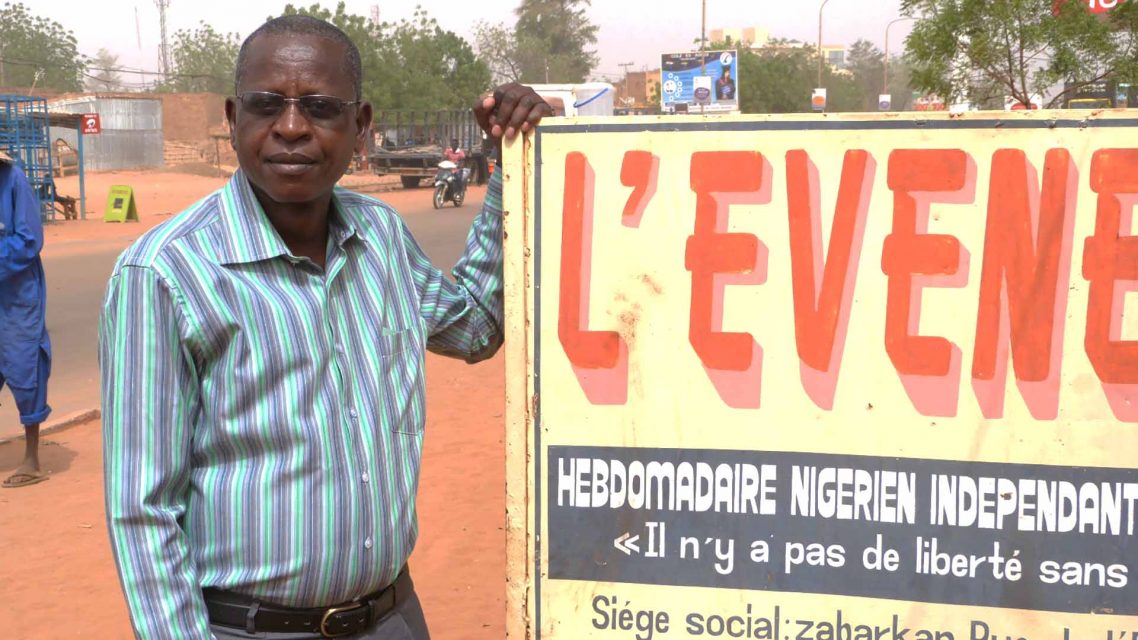
Aksar’s work was attacked in other newspapers. His motives were questioned. He was accused of serving Western interests — a dangerous charge in a fragile democracy.
His children — two teenagers and a 9-year-old — wondered if it was worth it. Aksar remembers them struggling to understand why he was, as he put it, sacrificing himself for an ungrateful society.
A decade later, Aksar says, they no longer ask why he took the risk. They’re proud of his reputation as a journalist who ensures that even les intouchables aren’t beyond the reach of scrutiny.
Defending the documents
Minna Knus-Galán (Finland)
Investigative reporter, Yle
As the Panama Papers shook governments around the world, one of the fiercest fights played out not in an authoritarian state, but in a country that routinely tops global press freedom rankings: Finland.
ICIJ member Minna Knus-Galán and her colleagues at the Finnish public broadcaster Yle found themselves fighting their own government’s tax authority’s threats of raids on their homes and newsroom unless they surrendered leaked documents.
Knus-Galán had just produced some of Finland’s most explosive findings from the leak: that Mossack Fonseca, the law firm at the center of the Panama Papers, had worked with Nordea, the Nordic region’s biggest bank, to establish hundreds of offshore companies, backdate documents and register deceased individuals as company directors to conceal the true owners.
The government argued it needed access to the Panama Papers material to investigate tax evasion by Finns named in the files.
I don’t know what the Finnish tax authorities thought — that we would have the Panama Papers in a [pile] on our desks?
Compliance, Yle countered, would violate source protection and shatter the trust that made cross-border collaboration possible. If one newsroom could be forced to surrender leaked material, whistleblowers might stay silent and future investigations could be jeopardized, Knus-Galán said.
“I don’t think we could do more ICIJ projects after that if there’s this risk,” she said.
The standoff spilled into reporters’ personal lives, too. When a demand from Finland’s tax authority arrived at Knus-Galán’s home, it felt intimidating — an official threat breaking into her private space. Over dinner, she told her teenagers there was a small but real chance police might burst in and seize their computers. Her son, a budding tech whiz, worried: would they take his machine, too?
For all the pressure, there were no documents in her house or her newsroom for authorities to seize. The files were safe on ICIJ’s secure platform.
“I don’t know what the Finnish tax authorities thought — that we would have the Panama Papers in a [pile] on our desks?” Knus Galán said.
Partner journalists never possessed the data themselves. It was stored in the cloud. Reporters could log in to search the files, and ICIJ could cut off access at any time. By design, no single newsroom controlled the files — a safeguard that protected both the material and the investigation.
Still, the demand alone was a threat to press freedom. If authorities could compel journalists to hand over confidential material, it would compromise the independence that protects sources and hamstring future investigations.
Knus-Galán said the letter was “very, very stressful and super strange” — the kind of threat she expected colleagues in Russia might face, not reporters in Helsinki, which was, at the time, preparing to host World Press Freedom Day. “I was sort of thinking, this can’t be happening in Finland.”
The reckoning
Gerard Ryle (United States/Australia)
Executive director, ICIJ
He doesn’t remember if it was the first or second day after publication.
What Ryle remembers is walking back into his office in Washington and seeing something new on his screen. Someone had changed the desktop on the huge black monitor on his desk. A single image filled the screen: Iceland’s parliament building. It was surrounded by people, and they were angry.
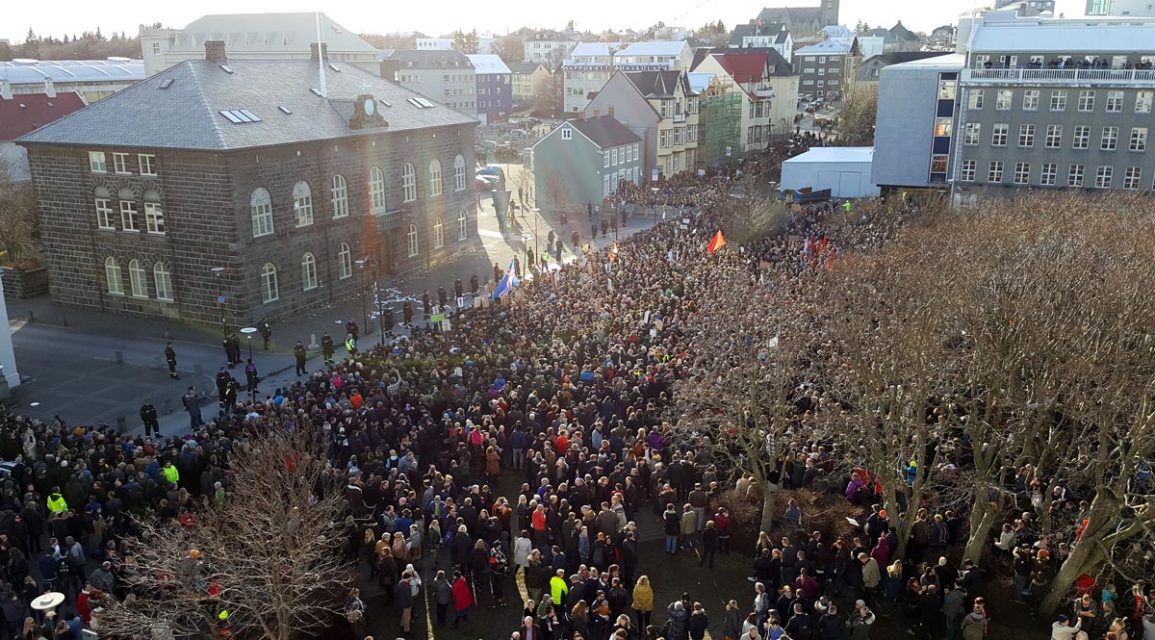
Protestors threw eggs at the building while others carried signs demanding — in Icelandic and English — Prime Minister Sigmundur Davíò Gunnlaugsson’s resignation.
The demand for accountability had already begun; within 48 hours, Gunnlaugsson announced that he would step down. Ryle knew then that the fallout in Iceland was only the beginning.
“At that moment, I thought this is huge,” Ryle said.
It was the first time he allowed the gravity to sink in.
Publication day itself had landed with a different emotion.
“A big relief, actually, was probably my biggest reaction. We finally got this out there,” he said.
For 13 months, the reporting had unfolded in private — inside secure systems, in encrypted exchanges, across dozens of countries.
It became clear we were at the center of the biggest story we could ever imagine.
When the embargo lifted, the story detonated across time zones.
“I had to pull myself away from the screens because there were so many stories coming out,” Ryle said.
The shock, he said, was not simply that the offshore system existed. It was that those entrusted with public office, including those who had publicly condemned it, were using it themselves.
“To see those images from Iceland, to watch references to Panama Papers meltdown on Twitter, to our office phones ringing off the hook requesting interviews from media all over the world, it became clear we were at the center of the biggest story we could ever imagine,” Ryle said. “And it didn’t just last for 24 hours. It went on for weeks and months.”
Even a decade later, reverberations of that moment continue. Governments are still pursuing criminal cases, including one against a Swiss lawyer now facing trial in Germany on tax-evasion charges.
The fallout
Joseph Stiglitz (United States)
Nobel Prize-winning economist and professor at Columbia University
In capitals around the world, the fallout was immediate: resignations, investigations, protests and fury resonated from London to Islamabad.
But in Panama, it was personal. The revelations left the country bruised. Overnight, it became an international symbol of corruption, money laundering and rigged systems.
President Juan Carlos Varela’s defensive posture soon turned to resolve. Saying “we have nothing to hide,” he swiftly announced the creation of an independent commission to study what went wrong and how to fix it.
Panama wanted redemption.
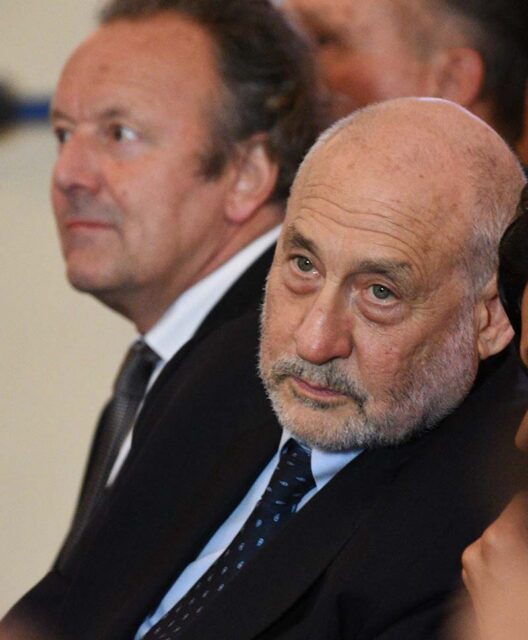
Nobel Prize-winning economist Joseph Stiglitz and Swiss lawyer Mark Pieth agreed to lead the effort — until it became clear to them that the country didn’t want change; it wanted cover.
The commission met several times virtually and in Panama. But when it became clear that Varela would have final say over whether its findings would be made public, Stiglitz and Pieth quit in protest.
“How can a commission committed to transparency not be transparent?” Stiglitz said in a recent interview with ICIJ.
The resignations made global headlines and deepened the country’s embarrassment.
“It showed that Panama was committed to bad behavior,” Stiglitz said. “Rather than the commission resurrecting Panama’s reputation it further damaged it.”
Its credibility gone, the commission faded away. Stiglitz and Pieth didn’t.
Stiglitz said they’d felt a responsibility to finish what they started and publish the findings themselves.
That November, they released Overcoming the Shadow Economy as a joint report that outlined recommendations on beneficial ownership registries, automatic exchange of tax information and stronger oversight of enablers. Ultimately, these ideas fed into a bigger legislative push happening around the world, including discussions leading to the landmark 2021 U.S. Corporate Transparency Act.
The sunshine that the Panama Papers shone on these activities … began a global discussion that was enormously valuable.
For Stiglitz, the Panama Papers had already accomplished something extraordinary. The leak transformed what had once been dismissed as rumors into evidence — a detailed map of how secrecy fuels inequality and corruption.
“It changed the debate from speculation to evidence,” he said. “The sunshine that the Panama Papers shone on these activities … began a global discussion that was enormously valuable.”
A decade later, that discussion hasn’t ended.
“It fueled the demand for more transparency in financial markets,” Stiglitz said, “but the issues, sadly, have not be solved. They are still before us — and in some ways, even more so.”
Panama Papers turns 10
On the tenth anniversary of the groundbreaking investigation, ICIJ and its partners have looked back on how the massive collaboration came together, and the impact the stories continue to have today. Read more:
- The story that rocked the world: Behind the scenes of the Panama Papers — part one, part two
- Ten years of impact: A decade on, enablers and tax cheats are still being brought to justice
- Video overview: How the Panama Papers marked a turning point for transparency
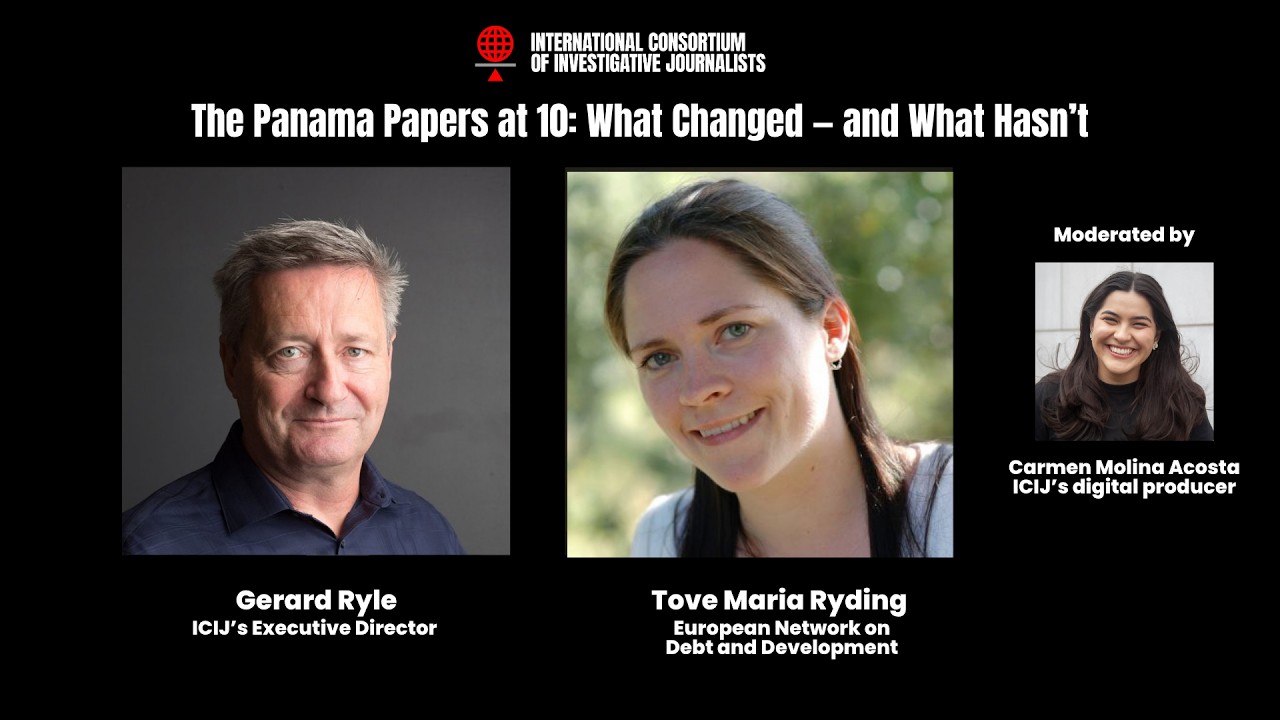
- Live panel: Gerard Ryle and Tove Maria Ryding discuss the Panama Papers effect
- Original investigation: Read the story that started it all (2016)
- Video introduction: Panama Papers and the victims of offshore (2016)