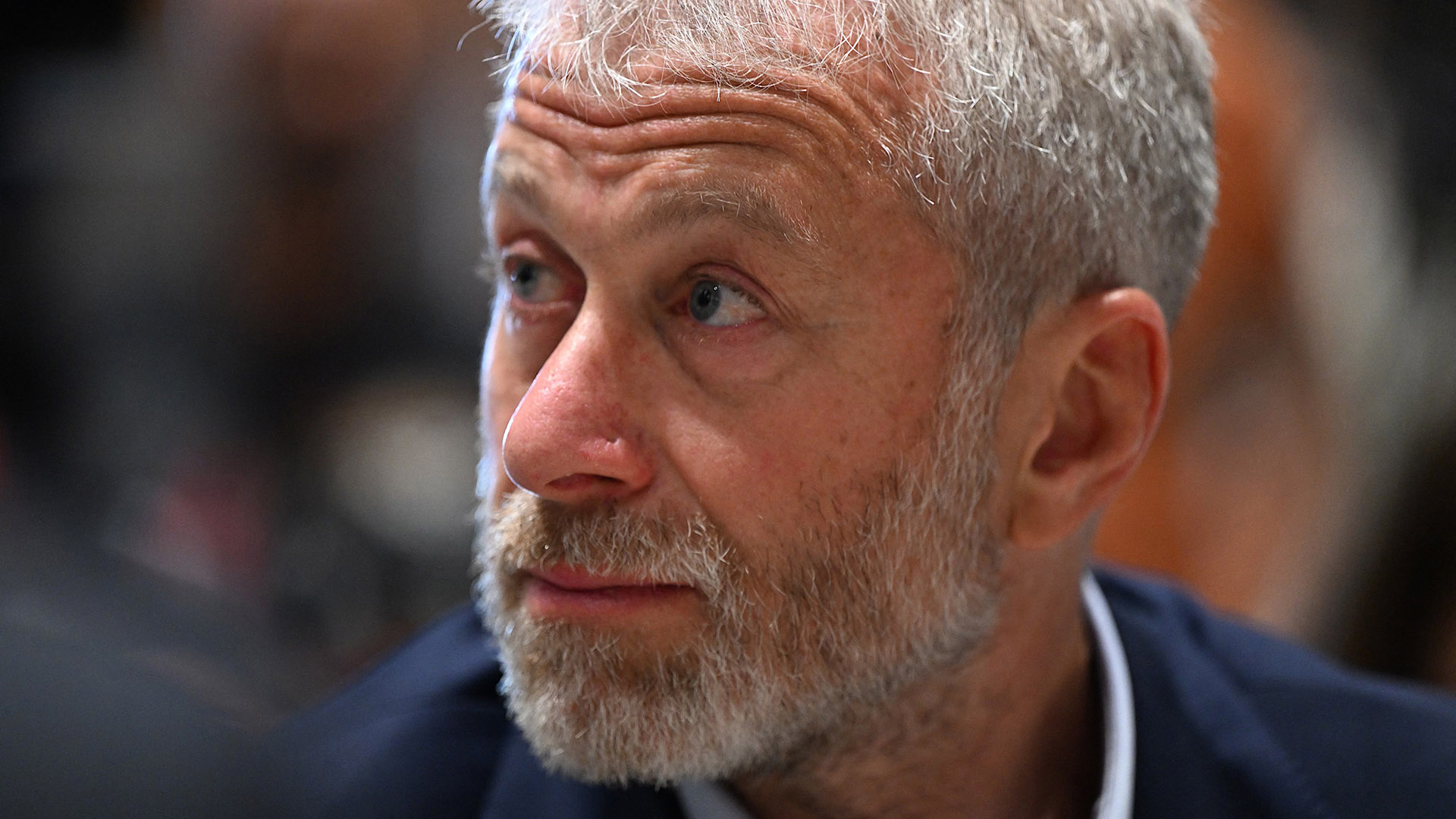
The accounting giant Deloitte helped doctor a paper trail that enabled Russian billionaire Roman Abramovich to conceal billions in assets and dodge millions in tax, according to a joint investigation by the Bureau of Investigative Journalism and BBC Panorama.
A forensic analysis of corporate records obtained as part of the Cyprus Confidential leak reportedly shows how staff at Deloitte’s Cyprus branch, and its offshoot MeritServus, routinely falsified documents while managing the oligarch’s vast offshore fortune.
Between 1999 and 2013, Abramovich’s associates worked closely with the financial services providers to backdate and rubber-stamp more than 1,000 documents, the investigation found, including as part of an alleged scheme that one leading expert described as “straightforward and blatant” tax evasion.
“What you take away from it is that there are professionals who are prepared to bend and break the rules of their profession and therefore the law,” Andrew Mitchell KC, a financial crime barrister who reviewed the findings, told BBC Panorama. “And it looks that they will stop literally at nothing in terms of creating documents.”
Around 2006, after Cyprus introduced new corporate disclosure rules, more than $600 million in luxury assets — including a French château, superyachts and private jets — disappeared from the accounts of one of Abramovich’s Cypriot companies, Amiscan Investments, TBIJ and the BBC reported. A separate yearslong maneuver wiped nearly $2 billion from the balance sheet of Kravin Investments, another Cypriot company, by effectively rewriting its financial history.
The revelations from TBIJ and the BBC, alongside the Guardian and the Organized Crime and Corruption Reporting Project, are the latest from the Cyprus Confidential leak obtained by Paper Trail Media and Distributed Denial of Secrets and shared by the International Consortium of Investigative Journalists. The leak includes about 450,000 files from Meritservus, a family-run Limassol firm that spun off from Deloitte in 2005.
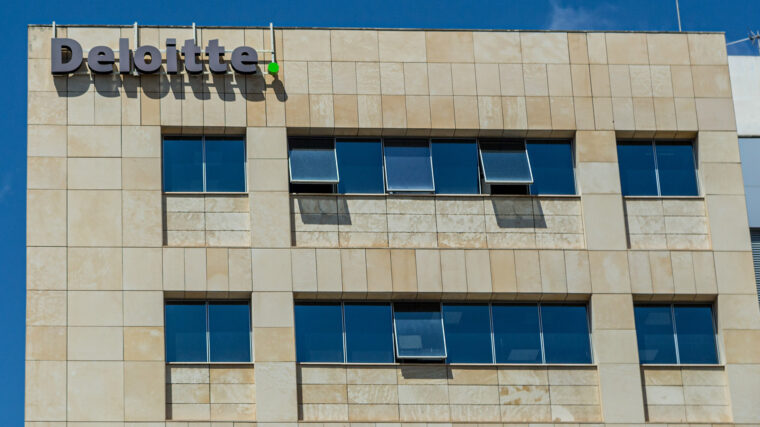
Despite the public split, the firms worked together closely behind closed doors and served as key financial advisors to Abramovich for nearly 20 years, severing ties after he was sanctioned by the United Kingdom and the European Union in response to Russia’s 2022 invasion of Ukraine. ICIJ’s previous reporting on the MeritServus files connected Abramovich to 261 companies and trusts in Cyprus, the British Virgin Islands, Jersey and other secrecy jurisdictions.
In response to TBIJ and the BBC’s findings, Abramovich’s lawyers denied their client was aware of unlawful backdating, evaded taxes or misled Cypriot authorities: “If an arrangement was proposed by professional advisers of Deloitte’s standing, it would have been entirely proper for companies linked to our client … to rely on it.”
Deloitte Cyprus said that it “acts in compliance with all applicable laws.”
The vanishing billions
Abramovich made his fortune in the 1990s by buying Russia’s state-owned oil company Sibneft after the fall of the Soviet Union for roughly $250 million. A decade later he sold the company back to the government for billions in profit, which he parlayed into investments in real estate, superyachts, a nearly $1 billion art collection and the Chelsea Football Club.
In 2003, one of Abramovich’s Cypriot companies, Kravin Investments, received a windfall of $3 billion from his sale of Sibneft shares, TBIJ and the BBC reported. Around $2 billion was left accruing interest in Kravin’s bank account — and becoming a tax liability.
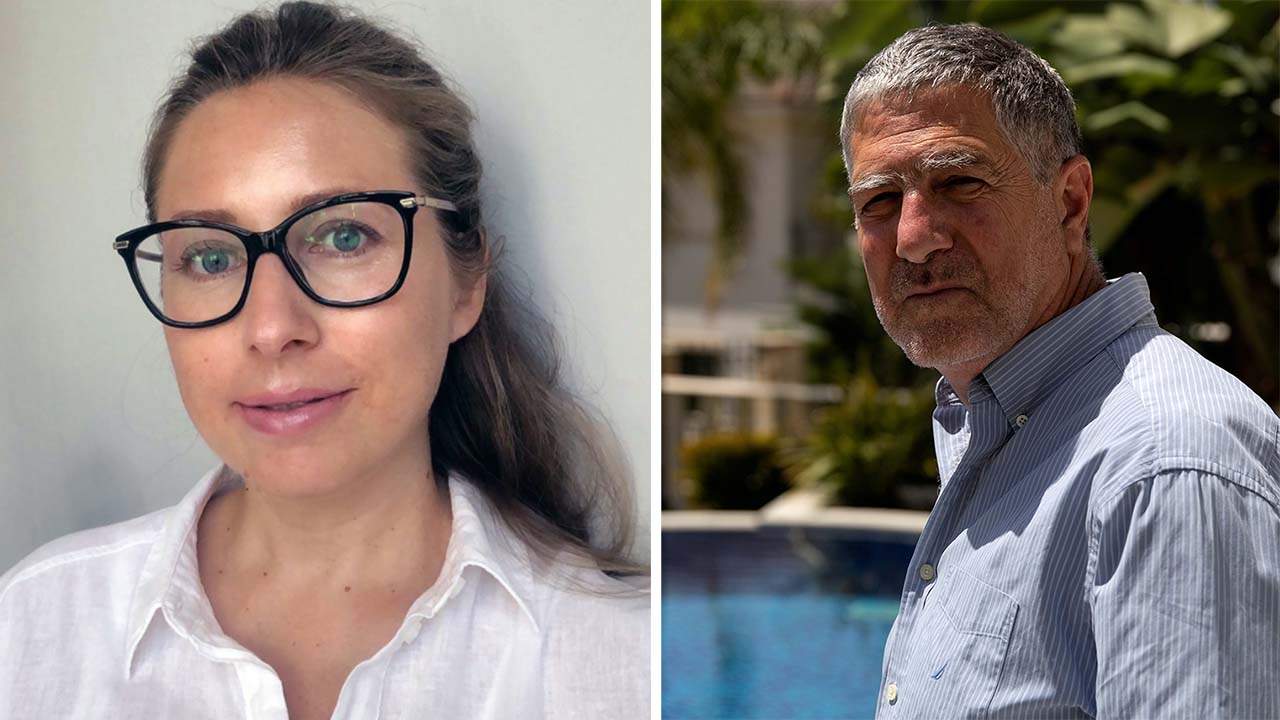
Leaked emails show how members of Abramovich’s inner circle, who oversaw his financial affairs from London, agreed on a plan to solve the tax issue with his advisors in Cyprus, including MeritServus founder Demetris Ioannides and Antonis Taliotis, a senior tax advisor at Deloitte Cyprus until earlier this year. In one email, Deloitte advised that “certain changes will have to be made to the accounts (bank account balances, interest income, profit and loss account).”
Ioannides’ lawyers told TBIJ and the BBC that he was unable to respond to requests for comment. Talitotis declined to comment through Deloitte Cyprus.
From 2005, MeritServus began backdating documents to 2003, making it appear as though the $3 billion was transferred out of Kravin’s accounts to another of Abramovich’s companies in the British Virgin Islands instead of sitting untouched for years, the investigation found.
MeritServus reportedly then created a backdated agreement claiming that Kravin had been holding and investing the money on the other company’s behalf and therefore shouldn’t be taxed in Cyprus. To add to the illusion, MeritServus also drafted fake correspondence between the companies as well as other corroborating documents — some reportedly as recently as 2008.
Several experts, including Mitchell, told TBIJ and the BBC that the backdated records were devised to evade taxes.
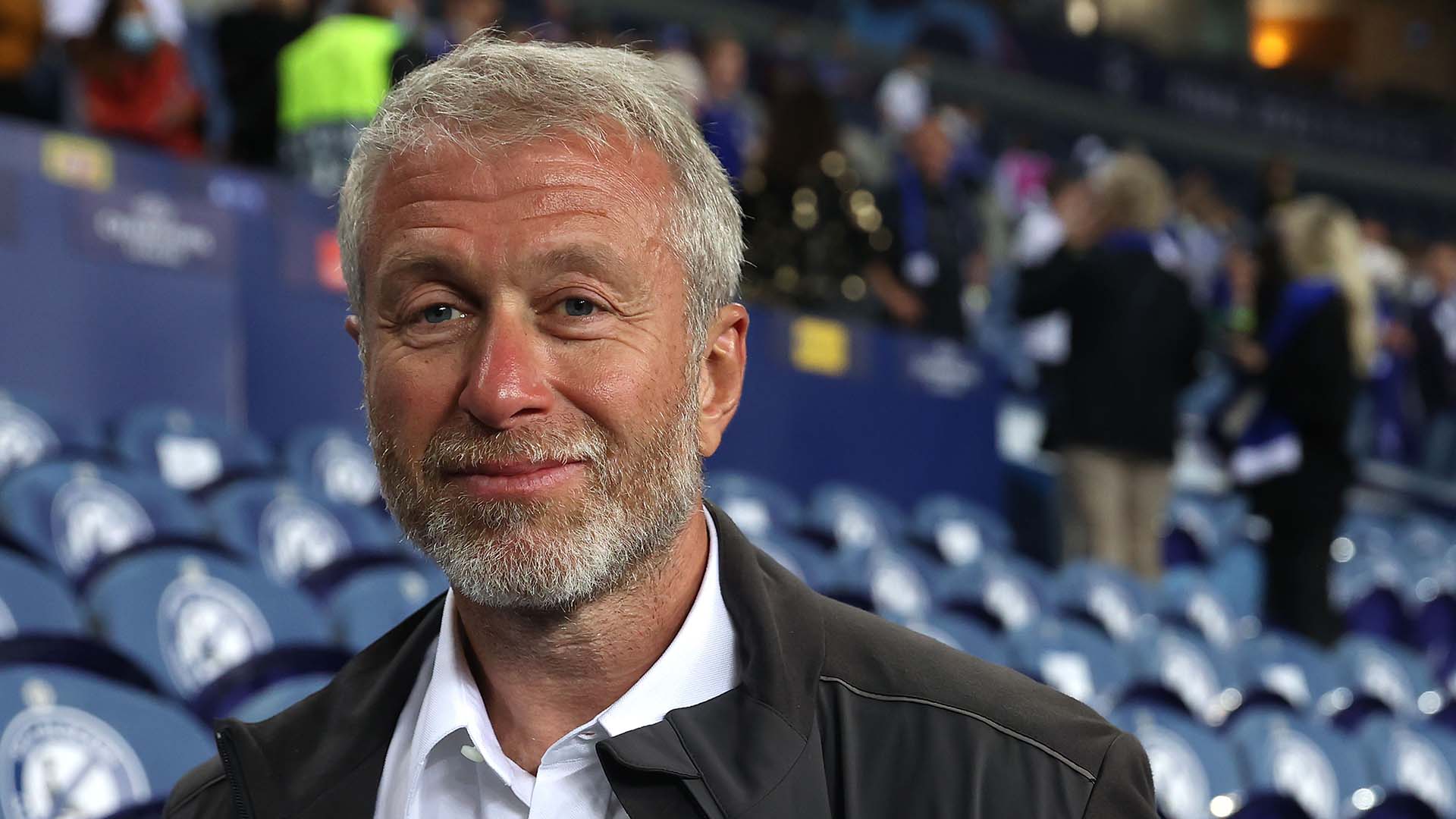
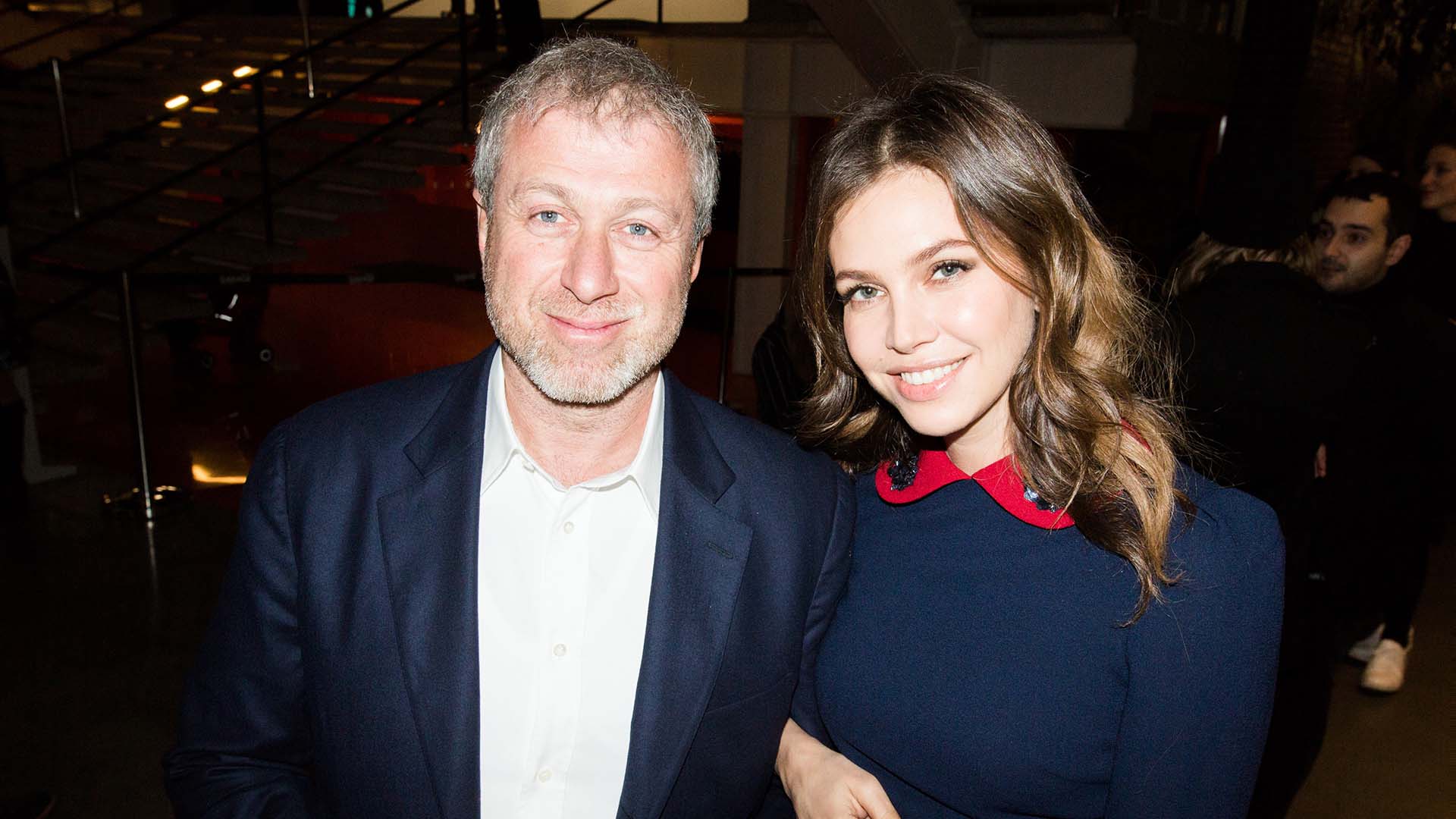
The leaked files show that Deloitte began falsifying documents on some of the earliest Sibneft share transfers and the practice continued unabated under MeritServus. In one instance, Abramovich’s financial advisors incorporated a dupe of Electus Investments — the Cypriot holding company worth billions at the top of his offshore empire — in the British Virgin Islands.
Between 2006 and 2008, MeritServus signed and backdated documents that falsely showed the second company had owned Abramovich’s $10 billion fortune for years. That way, when Electus Investments’ accounts were eventually made public in Cyprus, its assets appeared to be worth just $145,000, the investigation found.
“It’s not that this is something Deloitte reluctantly went along with,” Alex Cobham, chief executive of the Tax Justice Network, told TBIJ.
“They appear very much to have been part of the design process on multiple occasions, and indeed from their relationship with Meritservus, they are probably in the driving seat in terms of the overall management of issues.”