Mar 26, 2024
Take ICIJ’s audience survey, and tell us what you think of our work
Your confidential input will help us keep bringing you groundbreaking cross-border investigations that show how the world really works.
All the latest ‘Inside ICIJ’ news and commentary.
Your confidential input will help us keep bringing you groundbreaking cross-border investigations that show how the world really works.
From new global investigations to growth in strength and numbers, progress made over the past year leaves ICIJ well positioned to keep shaking the foundations of injustice in 2024 and beyond.
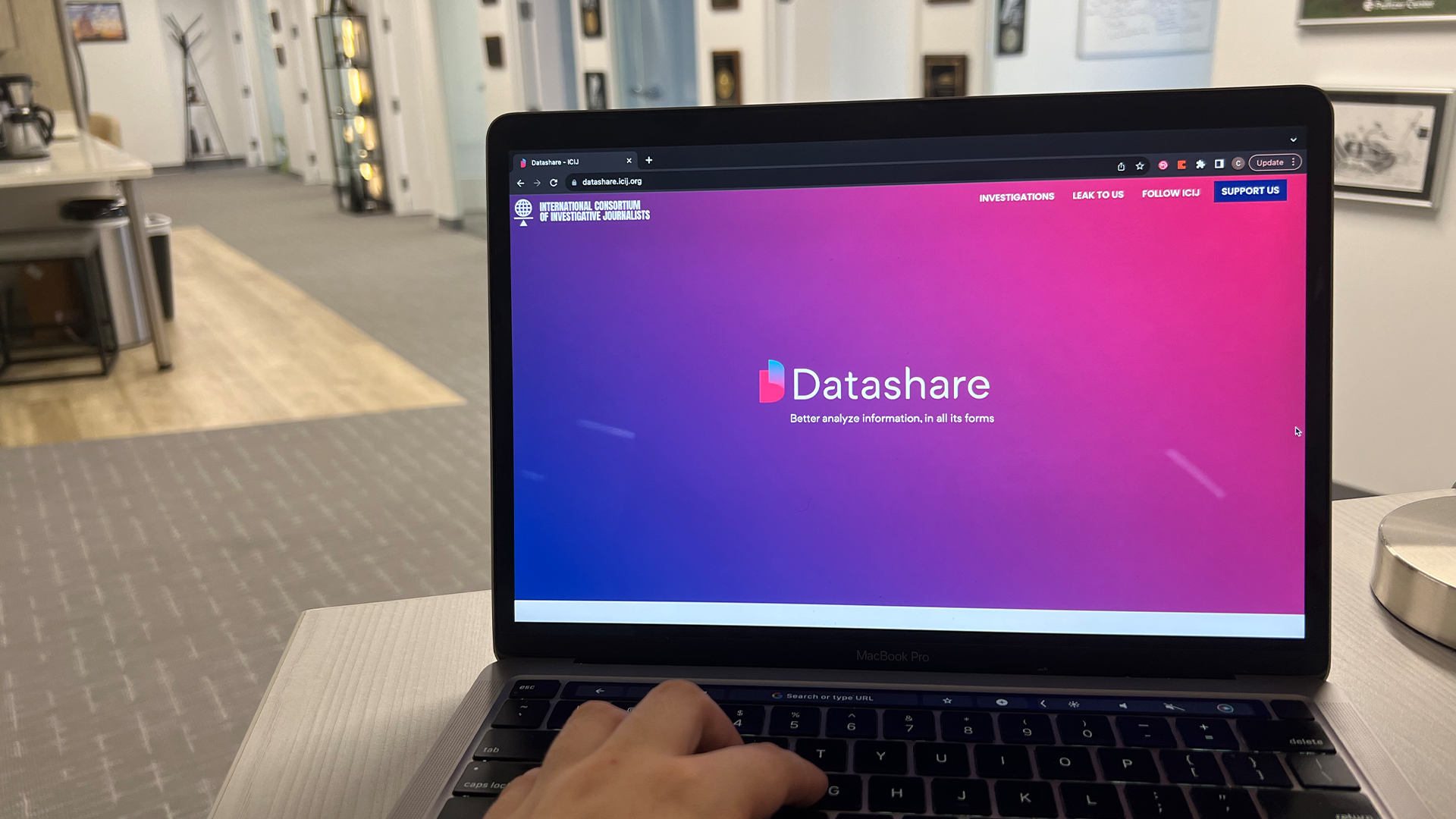
The latest update to ICIJ’s flagship research platform adds Neo4j’s graph-building power to quickly link people and corporate entities.
A new set of guidelines was developed by a coalition of 17 organizations, including ICIJ.

The crisis has snowballed into an international embarrassment for the Big Four firm. ICIJ member Neil Chenoweth walks us through how he broke the story — and what comes next.
Technology is the engine that powers the International Consortium of Investigative Journalists, but our reporters aren’t the only ones using the innovative data tools the organization created.
ICIJ executive director Gerard Ryle, journalist Maria Ressa and other industry leaders have pledged to work together to develop a set of principles, rights and obligations regarding the use of AI-based systems.
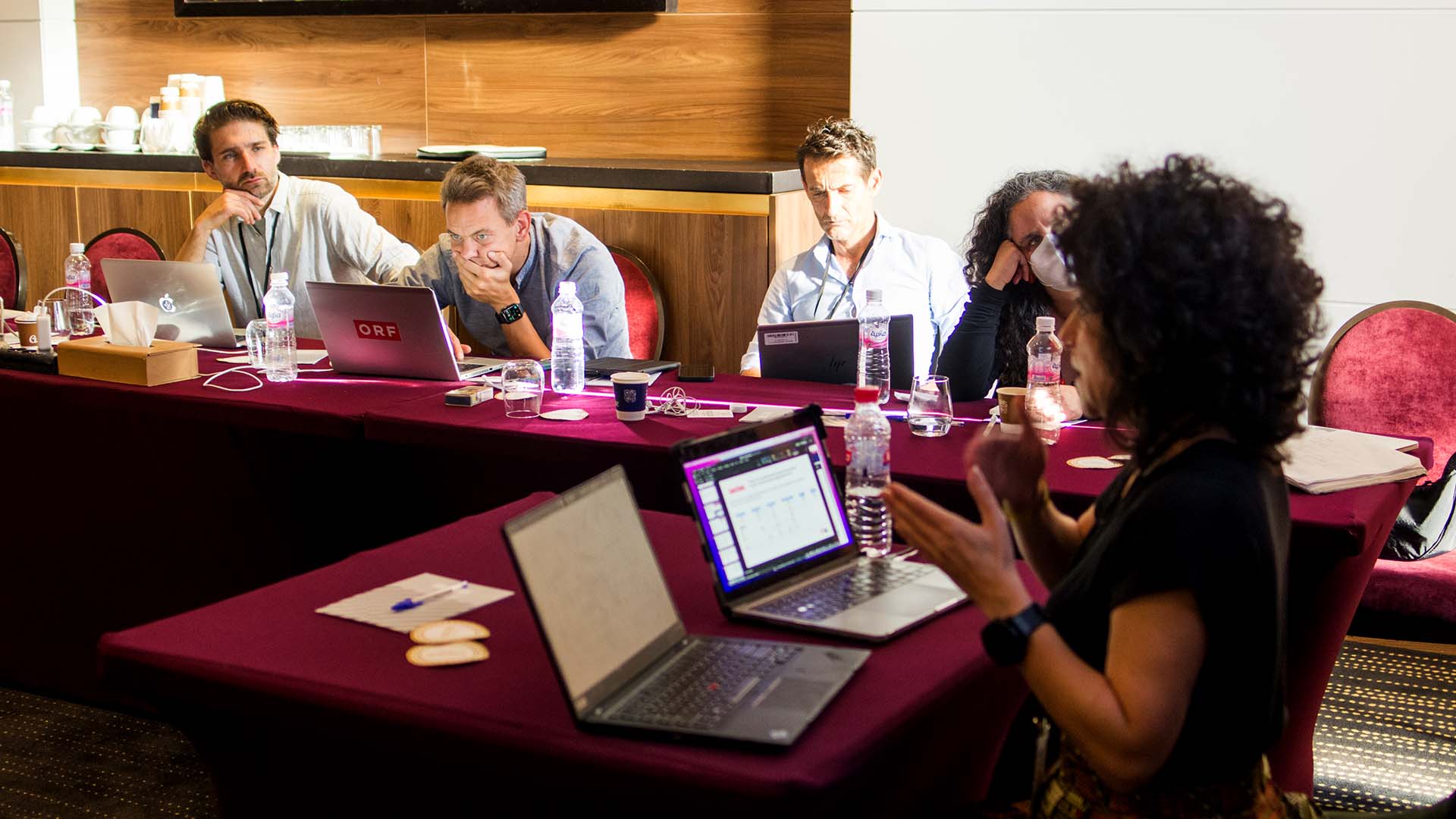
ICIJ spent the last year doing what it does best: mining datasets, sifting through documents and shining a light on systems previously shrouded in secrecy.
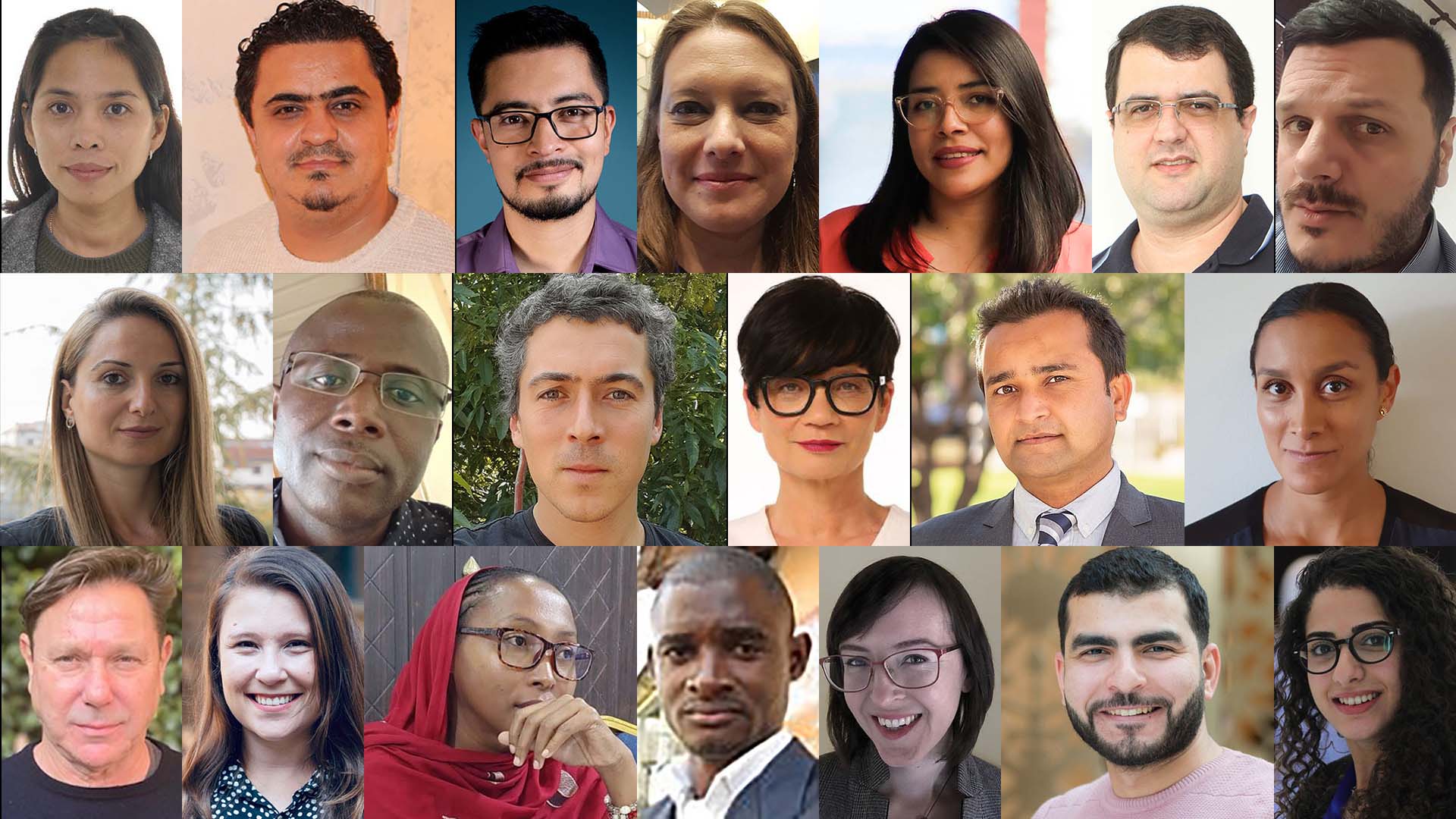
The new members, announced on World Press Freedom Day, hail from 18 countries, including four not previously represented in the consortium.
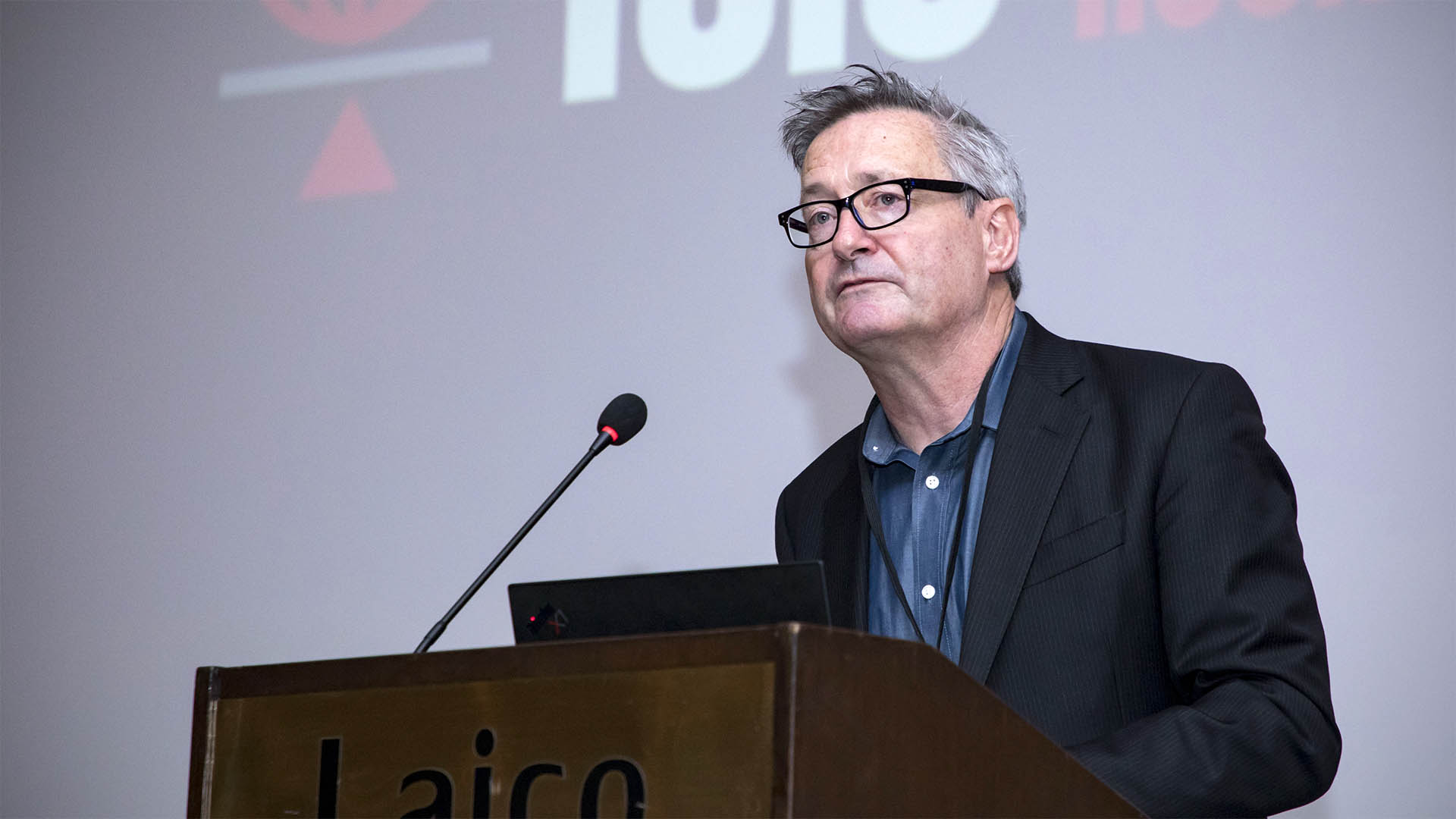
On the 10th anniversary of ICIJ's Offshore Leaks investigation, director Gerard Ryle traces a path from the original tax haven exposé through to the Panama Papers, Pandora Papers and beyond.
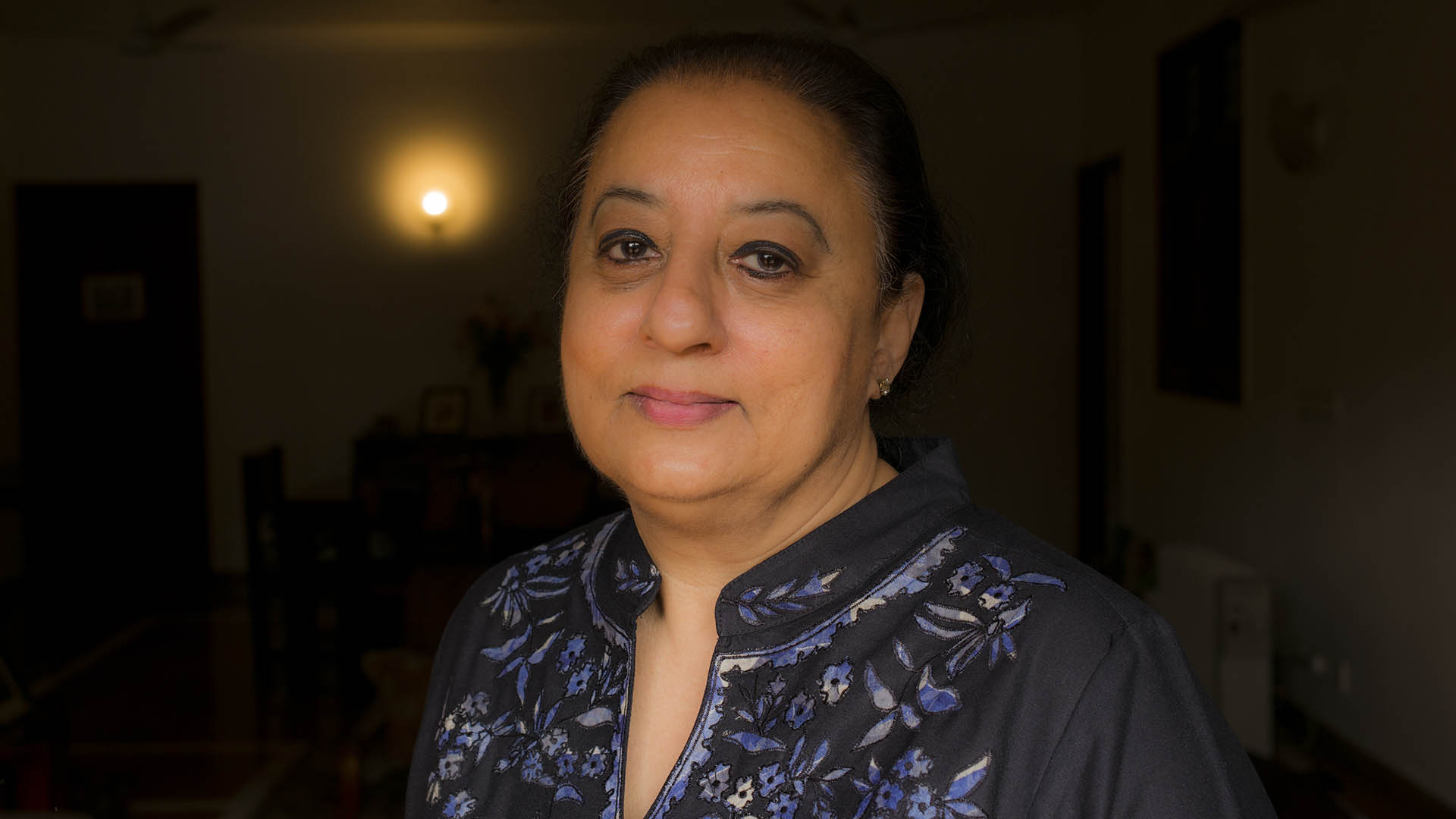
As a board member, Sarin will help shape ICIJ’s strategic vision and will continue ensuring that ICIJ's members' perspectives contribute to the running of the organization.
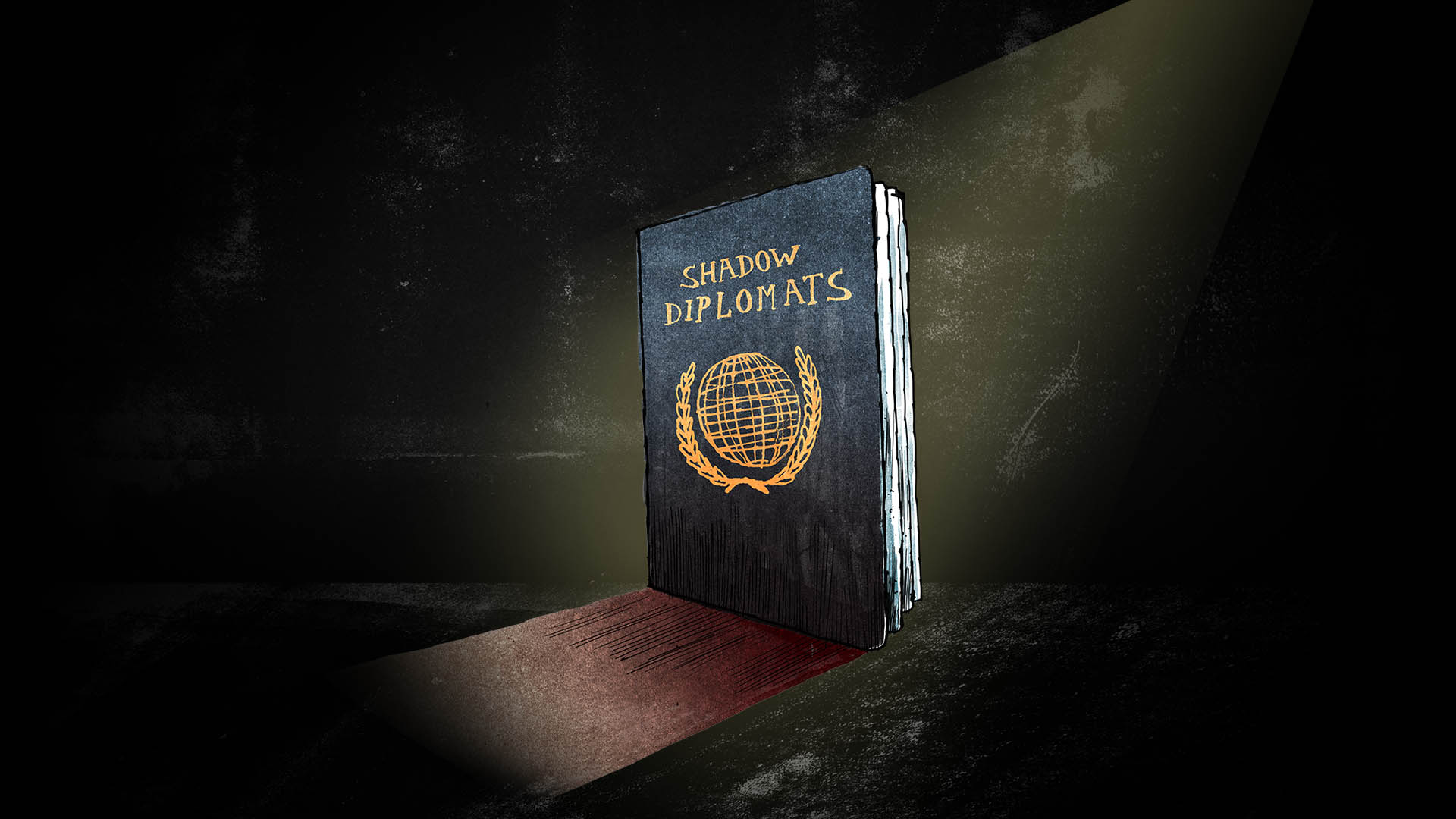
Honorary consuls around the world have repeatedly exploited their status to enrich themselves, evade law enforcement or advance political agendas.
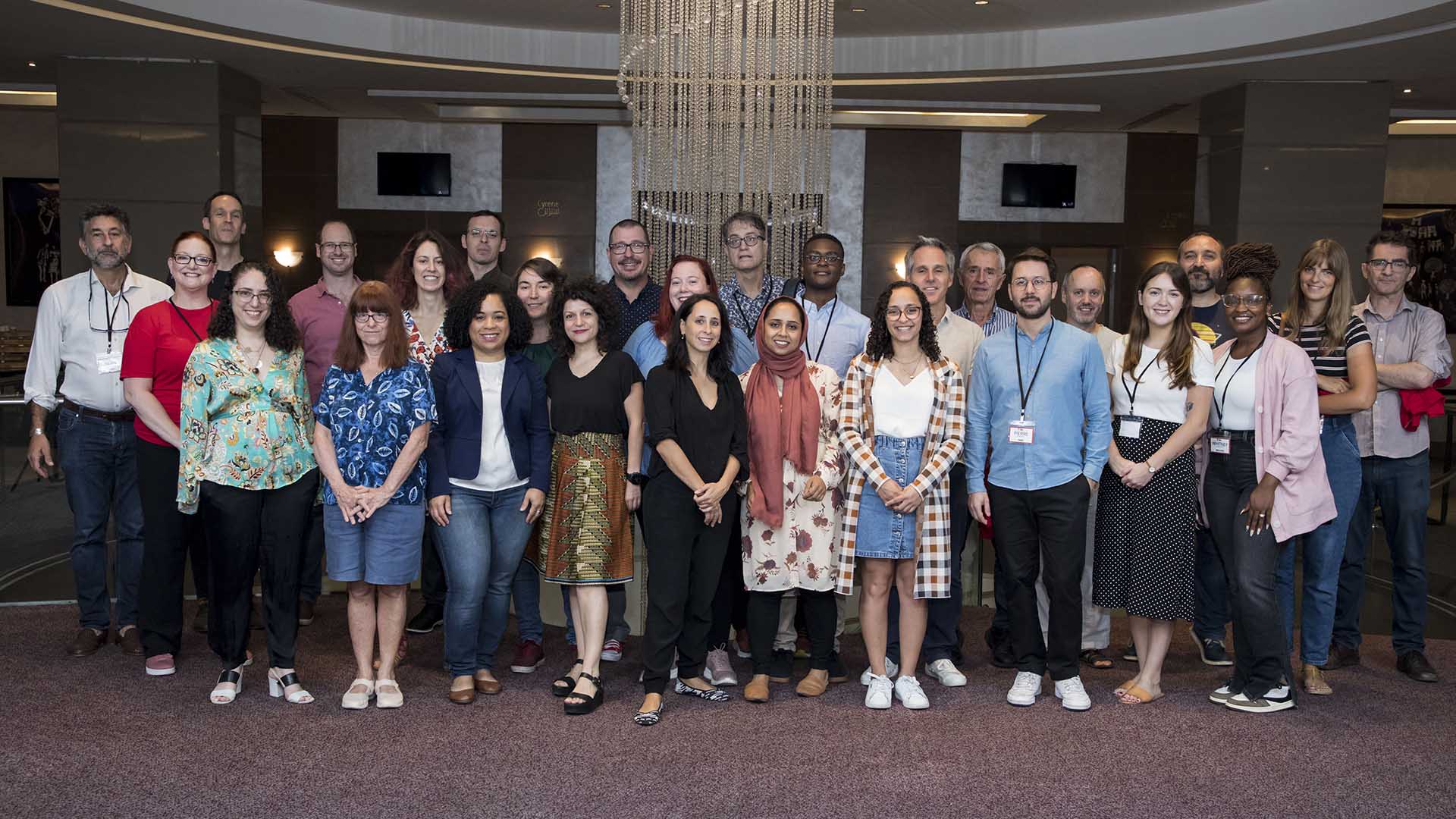
From learning top security tips to reinvigorating a passion for ICIJ’s model for investigating global stories, some of the staff’s newest faces reflect on our news organization’s first face-to-face gathering in three years.
As you read through our 2021 report, you will see that success at ICIJ was achieved on many different levels.
With a bold new logo and a reinvigorated focus on innovative, technology-led journalism, ICIJ plans to broaden its network and its storytelling to new frontiers.
New committee members to continue the expansion of the consortium, after more than 70 journalists added to the network over the past five years.

ICIJ’s largest-ever investigation on the offshore world unlocks financial secrets of politicians, billionaires and the global elite
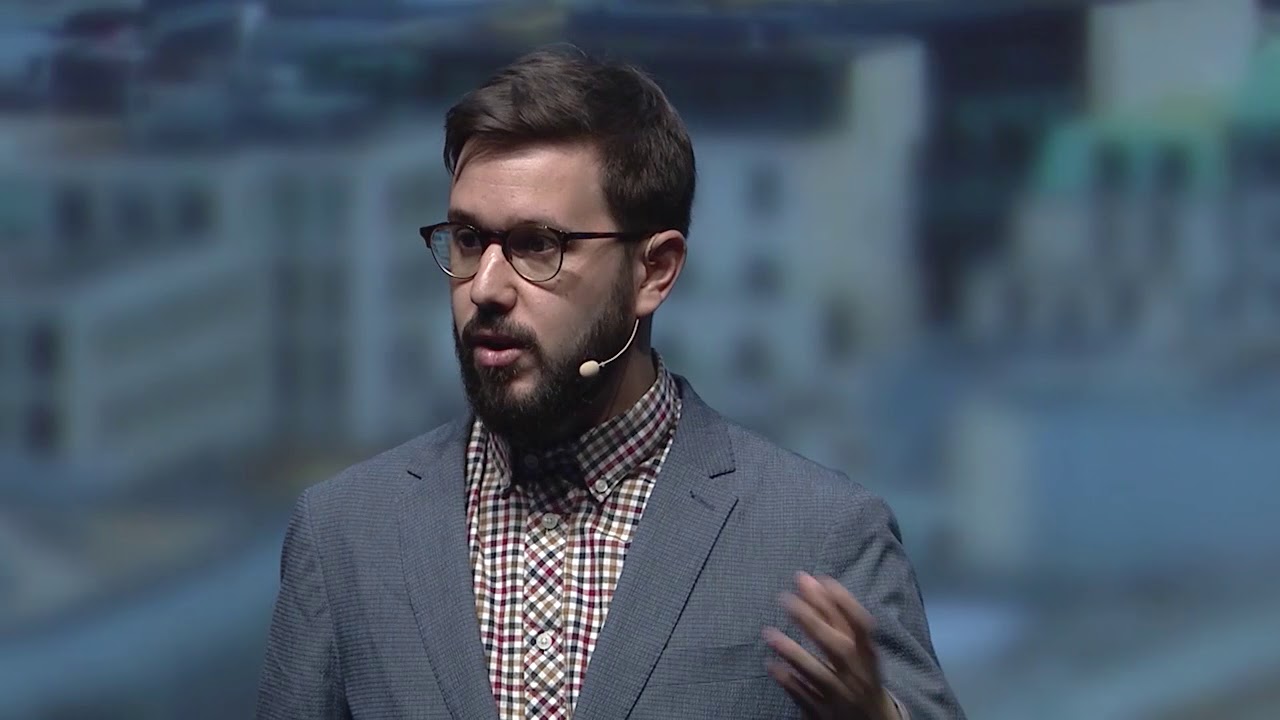
Meet team member Pierre Romera, who oversees ICIJ's technology and security and ensures our data is kept safe and our global network of reporters have all the tools they need to thrive.
Jeffrey Woolverton brings nearly 20 years of experience in fundraising and nonprofit management, and says he is "thrilled to help ICIJ expand its philanthropic support and strategically grow our impact."
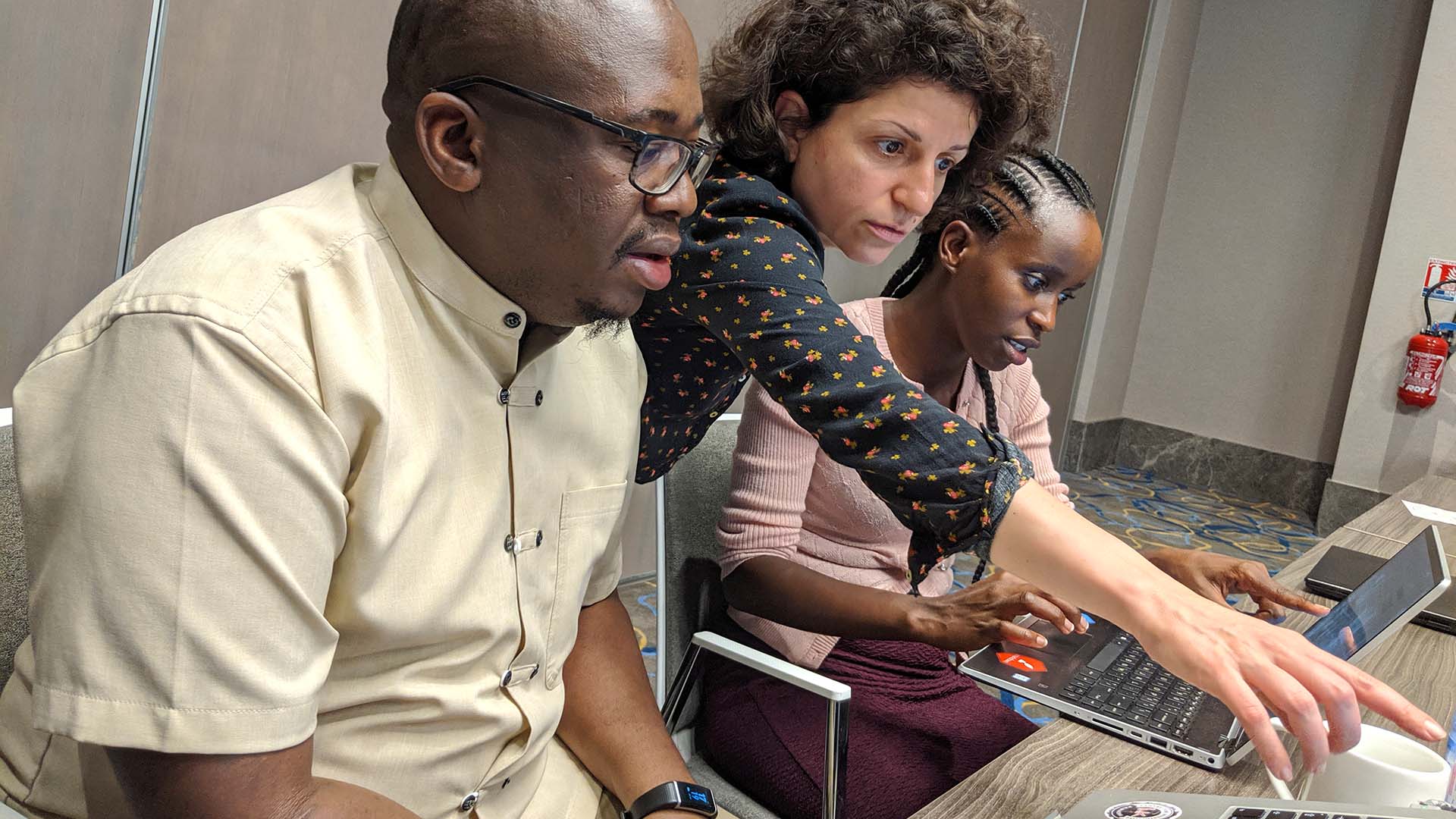
Meet team member Jelena Cosic, who provides training support to more than 500 reporters working on ICIJ’s investigations and using our signature platforms.
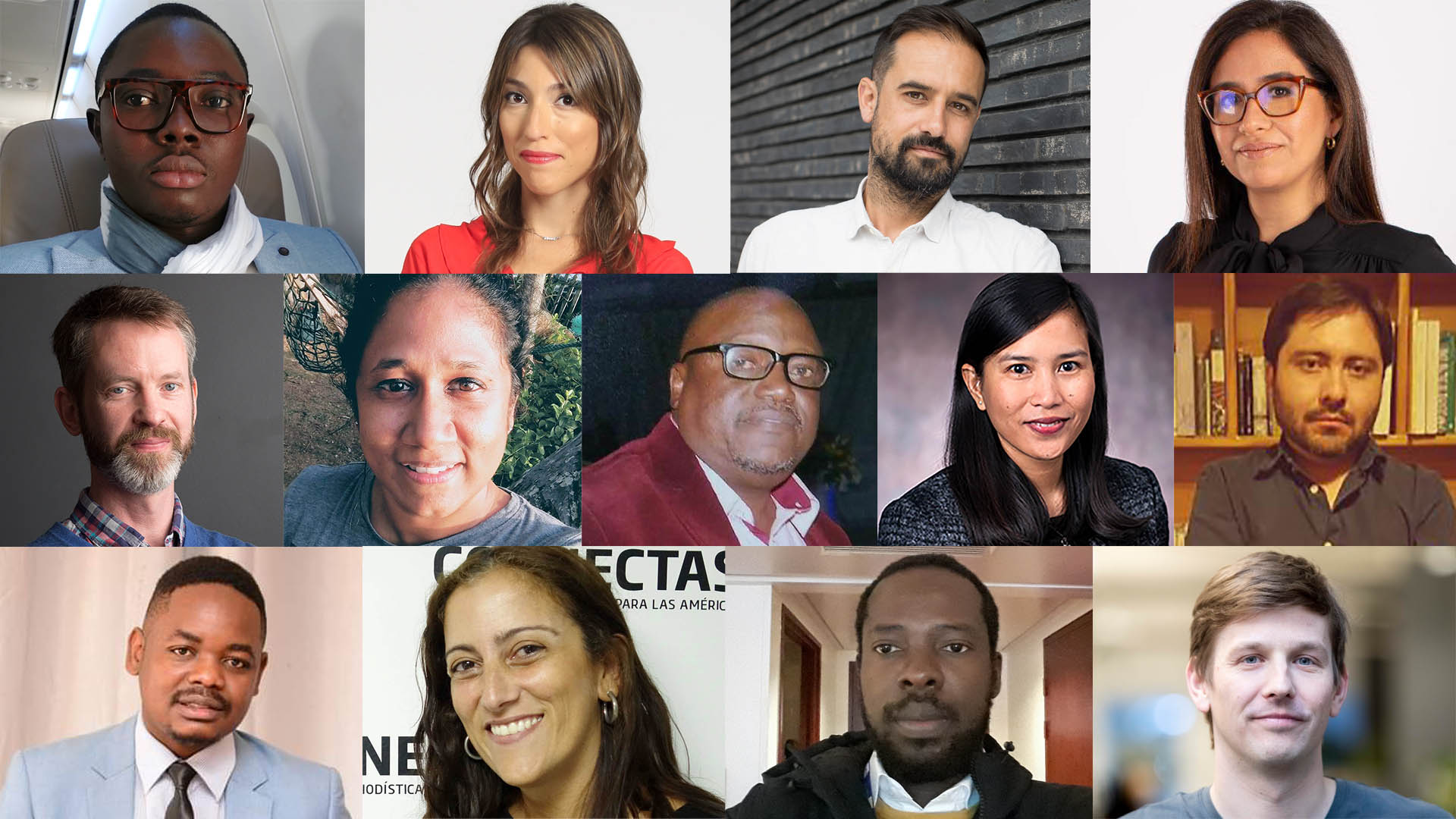
The new members have worked on several recent ICIJ projects, and boost the consortium's global coverage with the addition of five new countries.
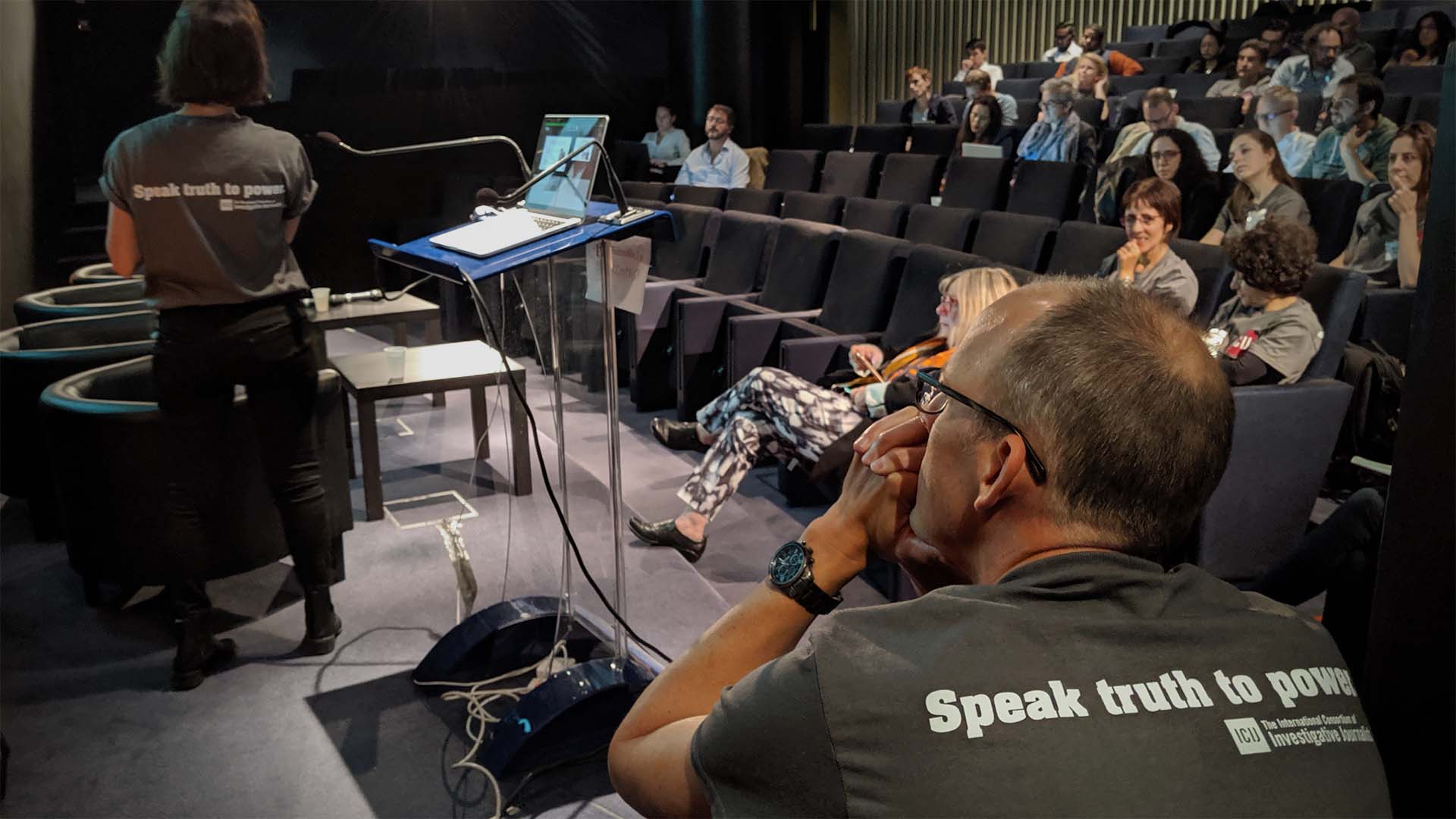
We’ve been humbled and impressed by the responses to our recent reader survey, which will help us explore new ways we can engage with our audience, and make sure all our supporters feel valued.

Please let us know what you think of ICIJ, and help us better understand how we can ensure our work is worthy of your support.
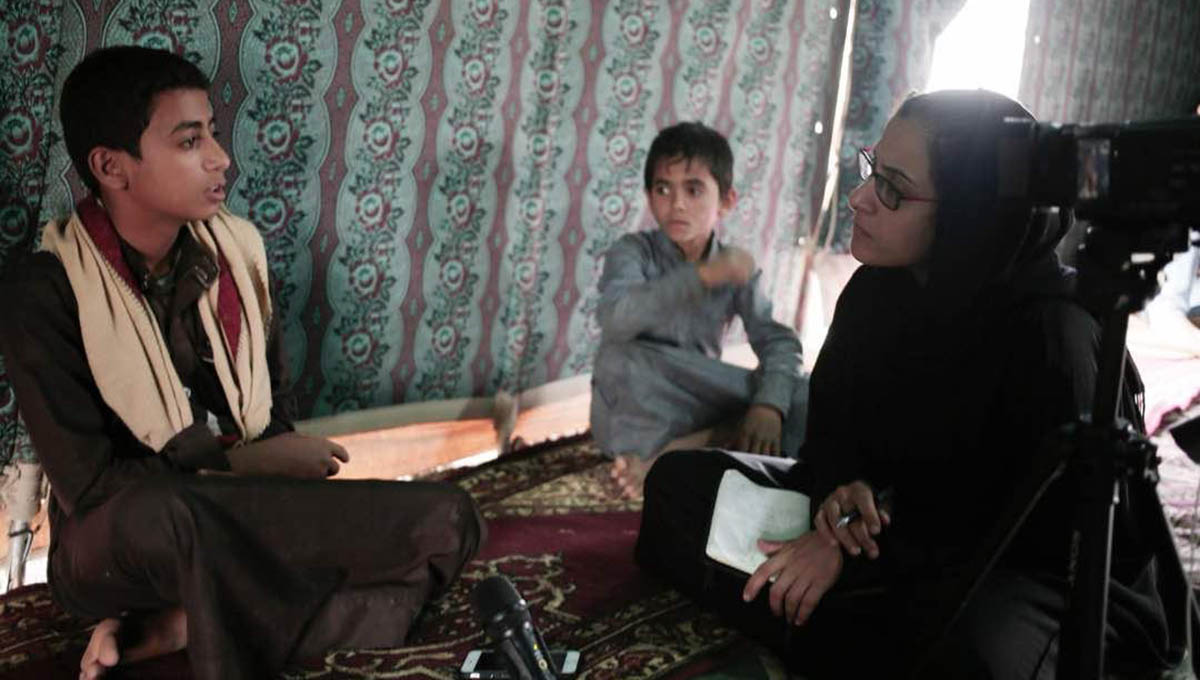
ICIJ’s Cairo-based investigative reporter Maggie Michael talks about the challenges of unearthing secrets and atrocities in a region where threats to press freedom abound.

To mark the investigation's fifth anniversary, a panel of award-winning journalists and a documentary filmmaker share the inside story of the making of the Panama Papers, and all that has happened since.