Apr 13, 2026
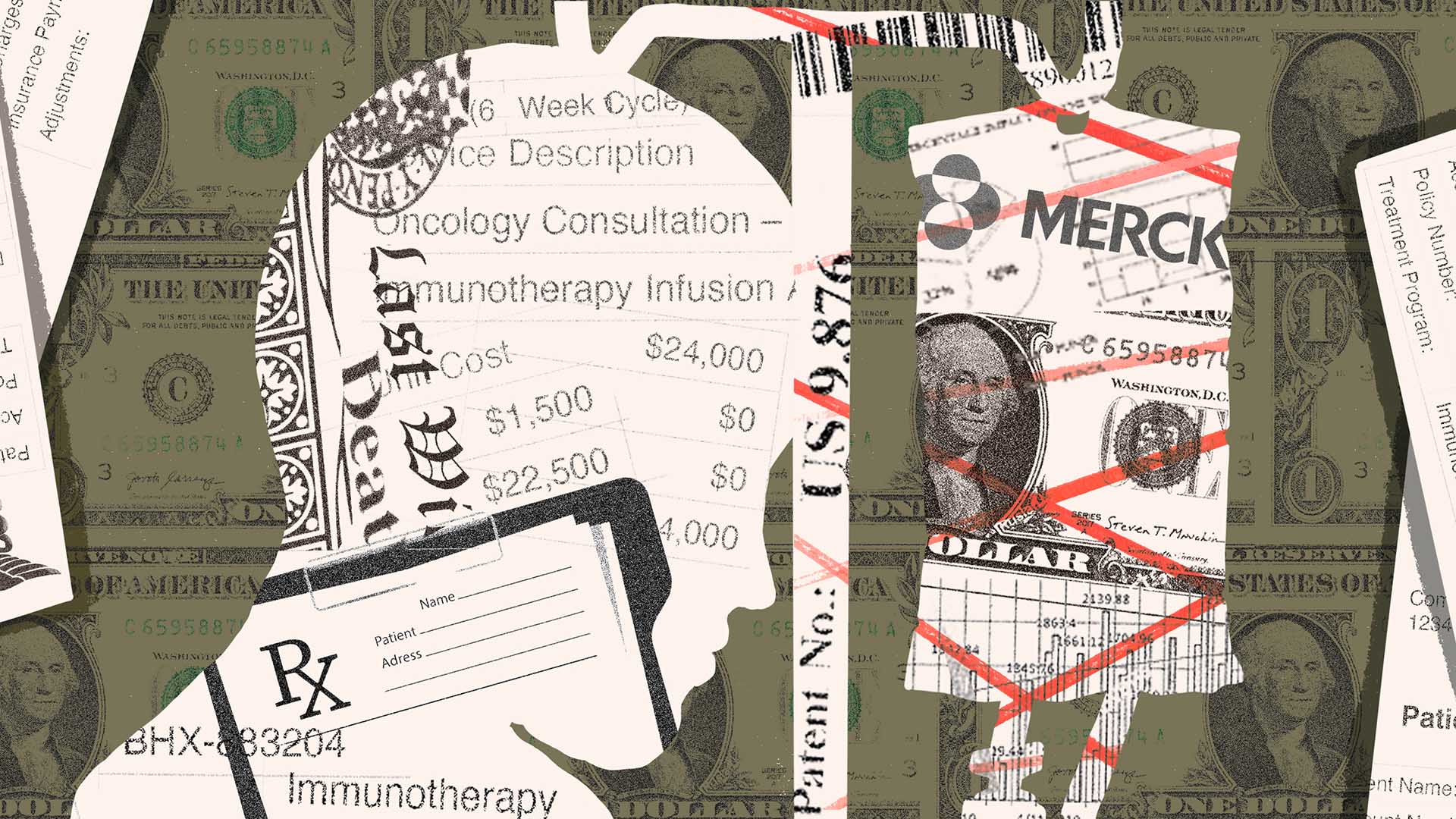
How Merck turned its wonder drug into a blockbuster — and priced out cancer patients worldwide
The pharmaceutical giant has built a fortress of patents, traded in secrecy and relentlessly lobbied to guard its revenue kingpin Keytruda.
Browse the ICIJ’s complete collection of articles and commentary on healthcare issues.
The pharmaceutical giant has built a fortress of patents, traded in secrecy and relentlessly lobbied to guard its revenue kingpin Keytruda.
Desperate patients — and even hospitals — have become unwitting customers of fake Keytruda, with potentially fatal consequences.
As bureaucratic fights to access Keytruda drag on for years, some patients die waiting.

Bringing together journalists from around the world, Cancer Calculus exposes how families are struggling to access Merck's groundbreaking cancer treatment, and how health care systems are straining under the drug's high price.

What is Keytruda? Why is it so expensive? The key findings of the Cancer Calculus, and more.
How Merck keeps the price of its lifesaving cancer drug, Keytruda, sky-high, locking out patients and squeezing health care systems worldwide.
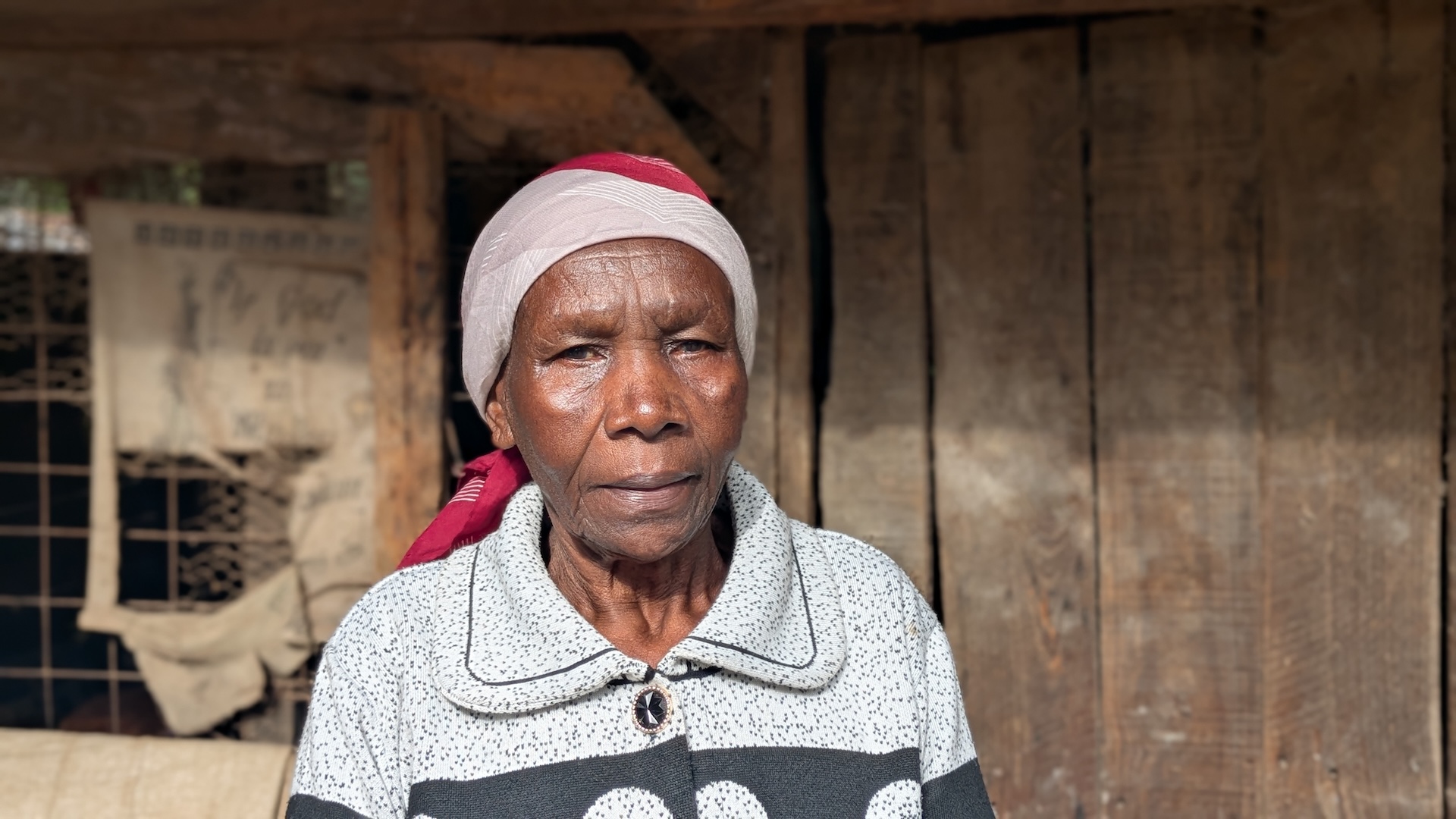
More than a decade after the World Bank promised to make health care more affordable, high costs for lifesaving treatments impoverish families in East Africa.

A surge in private equity funding for hospitals left a trail of crushing debts, patient detentions and broken promises.
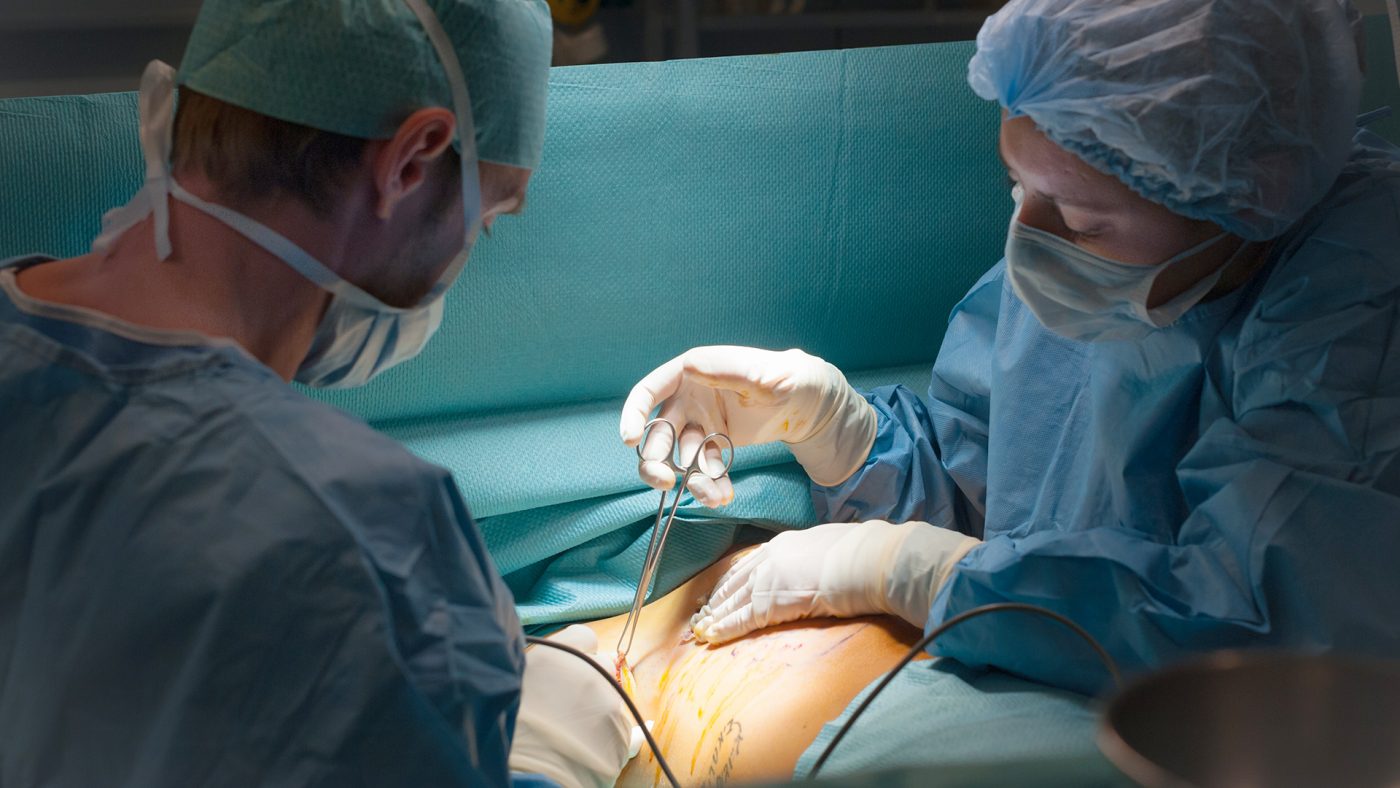
An oversight initiative meant to help officials detect medical device safety issues has faltered due to patchy recordkeeping by health care professionals.
ICIJ’s Implant Files uncovered controversial deals between Medtronic and hospitals around the world. Now, a former U.S. sales representative alleges the company used kickbacks and pressure tactics to make sales, despite patient injuries.
ICIJ member Jet Schouten kicked off the 2018 project with her reporting on lax regulation in the Netherlands. Since then, reporting on medical devices has only become more difficult.

The ICIJ-led investigation exposed serious flaws in the multi-billion-dollar global medical device industry, including patchwork regulation and oversight gaps worldwide.

Florida company Stimwave and its CEO duped doctors into implanting useless pieces of plastic into chronic pain patients.
The new research appears to corroborate a key finding from the Implant Files investigation, which showed revealed how deaths linked to medical devices were being underreported.

Syed Nazakat operates India’s first data-driven website dedicated to healthcare reporting, where he and his team have been on the frontline of reporting on COVID-19.

The rare ‘fraud alert’ from the Department of Health and Human Services could signal a harder line on industry-funded speaker programs.

The research challenges the claim that patient care decisions are not influenced when physicians receive large payments from drug and medical device companies.
The new FDA guideline is meant to alert patients to the health risks of breast implants, which have been associated with serious illnesses, ICIJ’s Implant Files investigation found.

The bestselling writer discusses how she followed the story of fraud in generic drug manufacturing around the world in an interview with ICIJ.
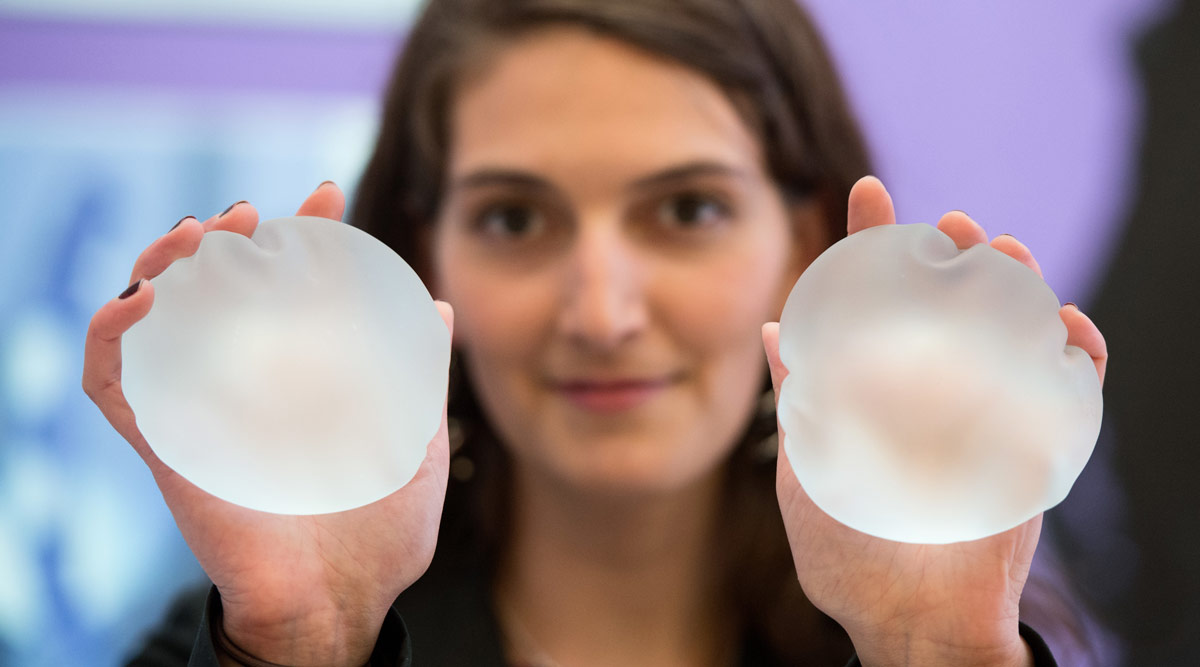
Frustrated by FDA delays, some survivors are promoting laws to require informed consent before breast implant surgery in at least six states.

Tens of thousands of women claimed they suffered severe health problems after being implanted with the contraceptive device.

US immigration detainees say they're scared to report coronavirus symptoms, for fear of solitary confinement.
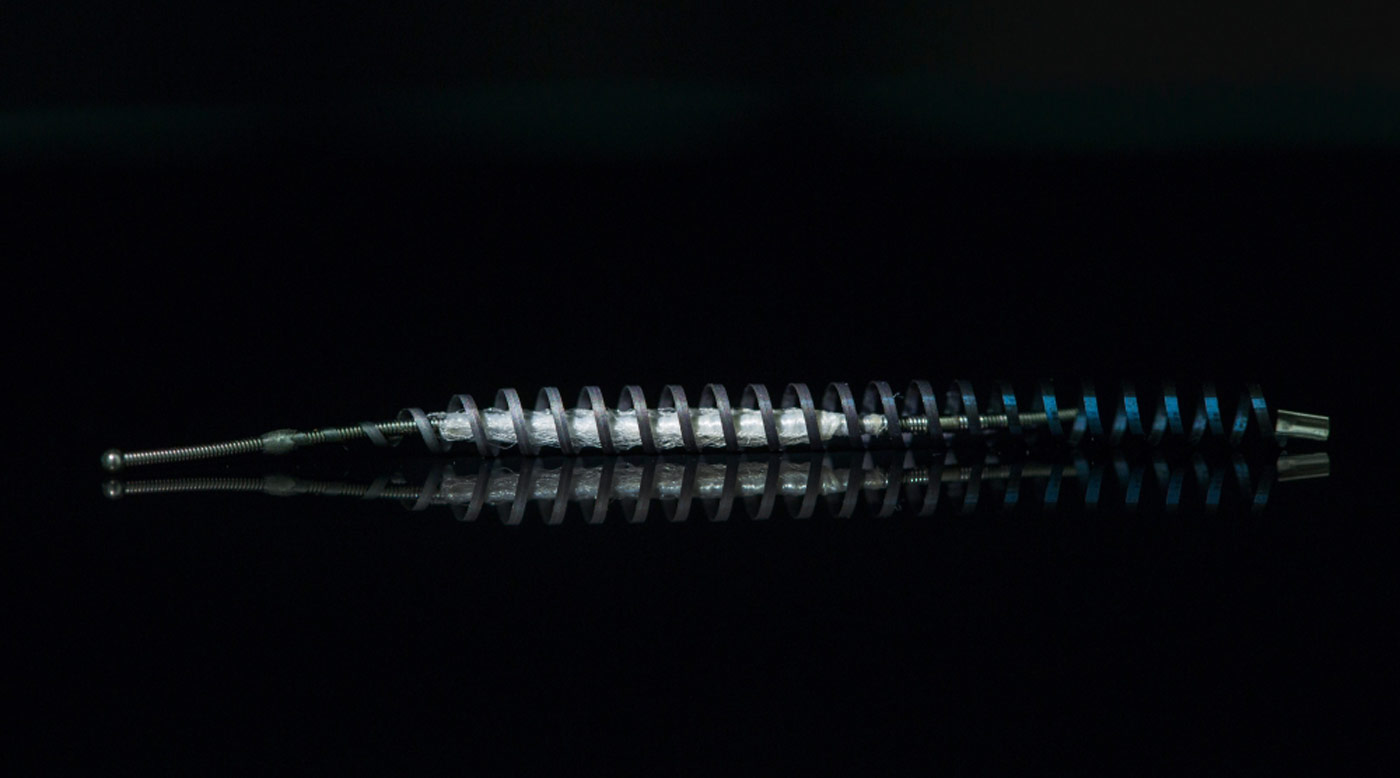
Only a fraction of incidents in which women were allegedly harmed by the contraceptive device were reported, experts in California cases claim.

A new study in a leading plastic surgery journal offers more evidence to support the existence of breast implant illness.

Public Citizen finds the U.S. health watchdog putting patients at risk by not requiring human trials for all new versions of the implant.